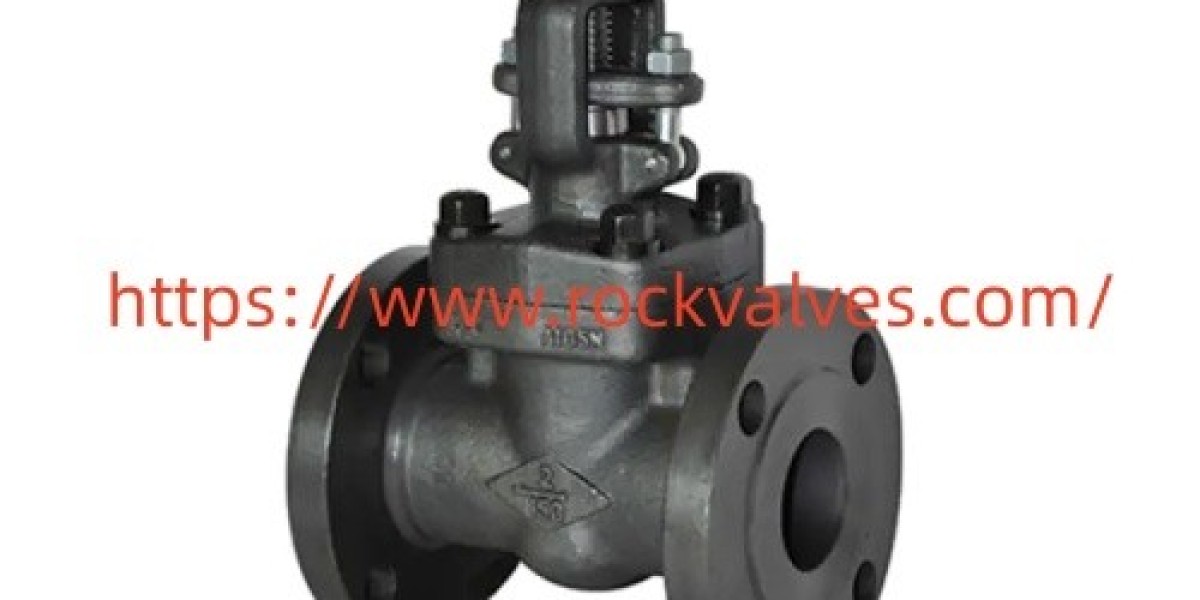

High Temperature Gate Valve selection should begin with the actual conditions of the process rather than a general product description. Buyers need to identify operating temperature, design temperature, working pressure, design pressure, medium, line size, connection type, and expected operating frequency. These details provide the foundation for choosing suitable construction and materials. In steam, power generation, refinery, petrochemical, and thermal processing systems, the equipment may experience significant heat together with pressure, so each specification needs to work as part of a complete system. Rockvalves provides cast steel products in a range of configurations, allowing buyers to discuss application requirements with a manufacturer before finalizing their purchasing specifications.
Material selection deserves careful attention because elevated temperature can affect mechanical strength, dimensional stability, sealing behavior, and service life. Common material options include carbon steel, alloy steel, stainless steel, and selected special alloys. The suitable choice depends on the actual process conditions rather than simply selecting a material with a familiar designation. For applications involving steam or other heated media, alloy grades such as WC6 and WC9 may be considered according to the required pressure and temperature range. Stainless steel options may be appropriate where corrosion resistance or process chemistry also influences the specification. Buyers should request complete material information and confirm that the selected grade matches the project requirements.
Pressure rating is another important point. Working pressure cannot be evaluated independently from temperature because allowable pressure may decrease as temperature increases. Buyers should therefore review pressure temperature tables for the applicable material and standard rather than relying only on the nominal pressure class. ASME B16.34 is commonly referenced for pressure temperature ratings, while API 600 provides important requirements for cast steel designs. This approach gives purchasing teams a clearer basis for comparing technical proposals and reduces the risk of selecting equipment according to incomplete operating data.
Sealing components also deserve attention. The body material may be suitable for the process while packing, gasket, or seating components require a different specification. Elevated temperatures can affect sealing materials, stem movement, and maintenance requirements. Buyers should review the packing arrangement, gasket selection, seat construction, wedge configuration, and bonnet design together. For demanding steam systems, an extended bonnet or pressure seal arrangement may be considered depending on pressure, temperature, and project specifications. Thermal expansion should also be considered because repeated heating and cooling can influence clearances, bolting, packing performance, and operating force.
Connection and installation requirements should be confirmed before production. Flanged, butt weld, and other connection configurations may be selected according to pipeline design, pressure class, installation conditions, and applicable standards. Buyers should also verify face to face dimensions, end dimensions, pressure class, nominal size, and any project specific requirements. Clear dimensional information helps ensure that the selected product can be integrated into the existing pipeline without unnecessary modification.
Operating frequency is another factor that is sometimes overlooked. A valve used occasionally for isolation may have different requirements from one exposed to repeated startup and shutdown cycles. Thermal cycling can place additional demands on sealing components and internal clearances. Buyers should explain how frequently the product will operate, whether pressure differentials are present during opening or closing, and whether manual or powered operation is required. This information allows the manufacturer to evaluate the operating arrangement more accurately.
Testing and documentation should also be part of the purchasing discussion. Buyers may need shell testing, seat testing, material certificates, inspection records, dimensional reports, or other project documents. Rockvalves manufactures cast steel products across a broad range of sizes, pressure classes, materials, connection configurations, bonnet arrangements, and wedge options, with designs available according to standards such as API 600, API 603, and ASME B16.34. Confirming these details before production can make technical communication clearer and support smoother project approval.
For procurement teams, the practical way to approach selection is to prepare a complete data sheet before requesting a quotation. Include medium, temperature, pressure, size, material requirements, connection type, operating method, applicable standards, testing requirements, and documentation needs. With these details available, manufacturers can provide a proposal that is more closely aligned with the intended service. Buyers looking to review Rockvalves product configurations can visit https://www.rockvalves.com/product/







