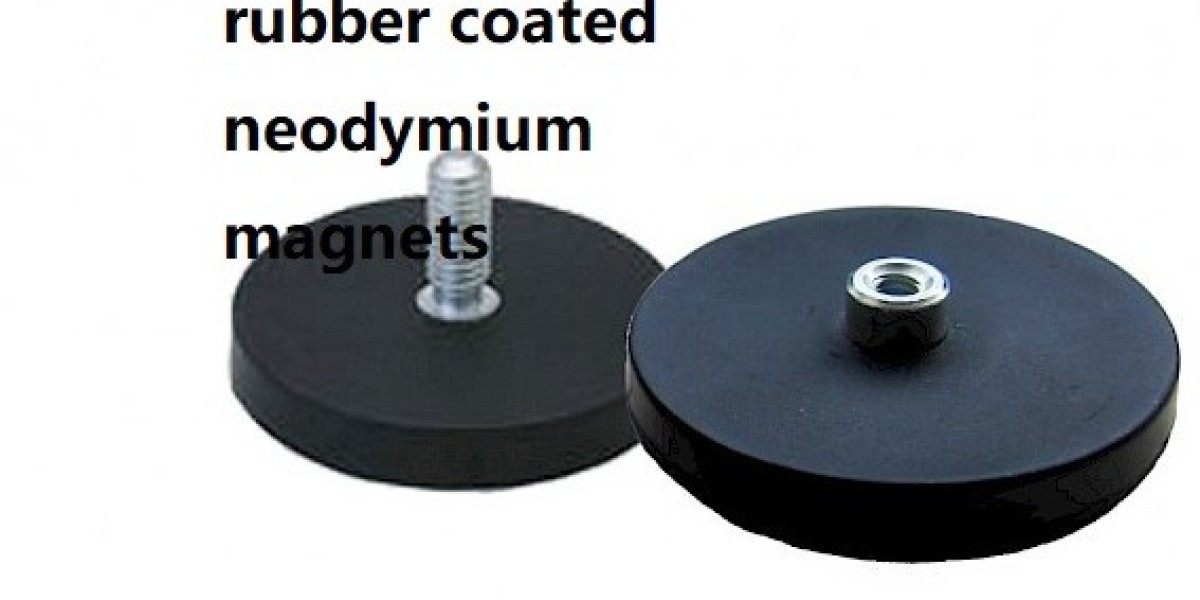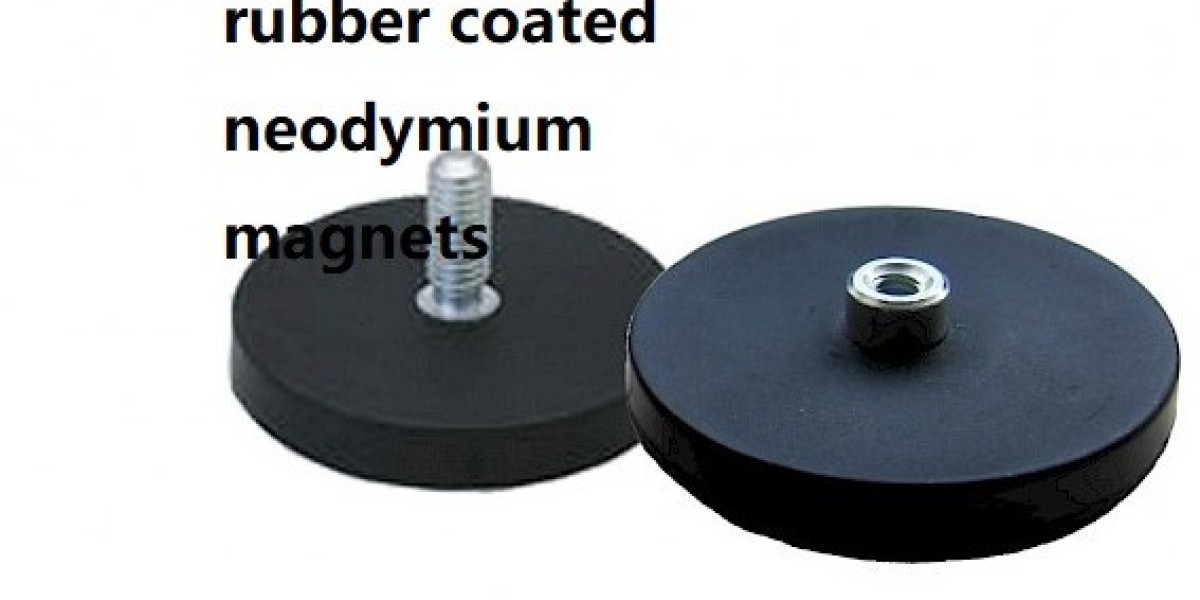

In industrial production and equipment assembly, selecting the right magnetic mounting method can influence installation efficiency, surface protection, and long-term usability. For projects where secure attachment and careful contact are both important, rubber coated neodymium magnets can offer a useful combination of strong magnetic force and a protective outer layer. By choosing suitable rubber coated neodymium magnets, designers can create removable mounting points for selected equipment, fixtures, and components without relying entirely on permanent mechanical fasteners. MLMAGNET provides magnetic solutions for industrial users seeking practical options for different mounting and positioning requirements.
Supporting Automotive Manufacturing Processes
Automotive production involves many stages where components, tools, and fixtures need to be positioned accurately. Magnetic mounting can be useful for temporary fixtures, removable holders, and production aids that need to be adjusted during assembly.
A protective rubber exterior may be suitable when magnetic components come into contact with painted or finished metal surfaces. The softer interface can help reduce direct contact between the hard magnetic material and the target surface.
In production environments, fixtures may need to be repositioned as vehicle models or assembly processes change. A removable magnetic connection can provide flexibility for certain applications where permanent fastening is unnecessary.
However, automotive environments can involve vibration, temperature changes, oils, and mechanical movement. Product selection should therefore consider the actual working conditions and the expected load before implementation.
Improving Positioning in Mechanical Assembly
Mechanical assembly often requires components to remain in a specific position while workers complete additional operations. Temporary magnetic fixtures can provide a convenient way to hold suitable metal components during selected stages of production.
The magnetic force should be matched carefully to the application. Factors such as the weight of the attached object, surface condition, air gap, and direction of the applied load can all influence actual holding performance.
A rubberized surface may also provide additional friction, which can help reduce sliding on certain surfaces. This can be useful when a fixture needs to remain stable during light movement or adjustment.
For more demanding applications involving strong vibration or heavy loads, mechanical fasteners or additional safety measures may still be necessary.
MLMAGNET Magnetic Options for Display Equipment
Magnetic mounting is not limited to manufacturing. Retail displays, exhibition structures, information boards, and commercial equipment can also benefit from removable attachment methods.
Display components are often changed according to seasonal promotions or marketing campaigns. A magnetic mounting system may allow signs, holders, or accessories to be repositioned without permanently modifying the supporting structure.
The protective exterior can be useful when the mounting surface has a finished appearance that needs to be maintained. Reducing direct contact between metal surfaces may help minimize scratches during repeated installation and removal.
For exhibition environments, flexibility can be particularly valuable. Booth layouts may change from one event to another, and removable components can make certain setup tasks more convenient.
Considering Surface Conditions and Environmental Factors
The performance of any magnetic mounting system depends partly on the surface to which it is attached. Flat, clean, and suitable ferromagnetic surfaces generally provide more effective magnetic contact.
Paint, coatings, uneven surfaces, and gaps can reduce the effective holding force. Users should consider these factors when evaluating a product for a particular application.
Environmental conditions also deserve attention. Outdoor installations may be exposed to moisture, temperature fluctuations, and other factors that can influence the protective coating and surrounding materials.
Industrial environments may introduce additional challenges such as oil, dust, or repeated abrasion. Selecting a coating and product configuration appropriate for the working environment can help improve service life.
Testing under actual operating conditions is recommended when the application involves important loads or continuous movement.
Choosing the Right Magnetic Configuration
Different applications require different magnetic designs. Buyers should consider dimensions, magnetic strength, coating material, mounting structure, operating temperature, and installation method before making a selection.
For standard applications, an existing configuration may be sufficient. Custom projects, however, may require specific shapes, threaded holes, countersunk mounting points, or other mechanical features.
The expected movement of the attached component should also be considered. A magnet used for a stationary fixture may have different requirements from one that is frequently removed and repositioned.
For large-scale projects, consistency between batches is another important consideration. Buyers may want to confirm product specifications and quality requirements before placing larger orders.
A clear understanding of the intended application can help users select a more suitable magnetic solution and avoid unnecessary modifications later. Businesses looking for magnetic products for industrial assembly, automotive applications, commercial displays, or customized equipment can visit https://www.mlmagnet.com/ to explore available solutions and learn more about product options.