
Water Pumps need to match the actual watering task rather than simply the size of a garden, field, or water source. A system supplying a few garden sprinklers may have very different requirements from one serving several irrigation zones. Flow demand, required pressure, elevation, pipe length, water source, and operating frequency all influence the suitable configuration. Taking these factors into account can help buyers avoid choosing equipment based only on a single number shown on a product page. Current irrigation guidance also emphasizes matching flow and total head at the actual operating point.
The first step is to identify where the water needs to go. A small garden may use a hose, sprinkler, or drip line, while a farm may distribute water across several sections. These systems can have different flow requirements. If several outlets operate at the same time, the combined demand should be considered. Looking at one sprinkler or one outlet alone may not represent the actual working condition.
Elevation is another important consideration. Water moving from a lower source to a higher location requires additional head. The same applies when water travels through long pipelines or passes through multiple fittings, valves, and filters. These components create resistance, which means the equipment needs to provide enough pressure at the required flow rather than simply reaching a high maximum head under different conditions.
The water source should also influence the selection. A storage tank located close to the delivery area presents a different situation from a well, reservoir, pond, or other remote source. Buyers should consider the vertical distance between the source and equipment, available water supply, inlet arrangement, and whether suction conditions are suitable. A larger motor cannot compensate for an unsuitable water source or an incorrectly planned installation.
Irrigation method matters as well. Drip systems generally operate differently from sprinklers, and surface watering has different requirements again. Sprinklers may need adequate pressure at the outlets, while drip systems depend on controlled distribution through emitters. Large areas may also be divided into zones so that only part of the system operates at one time. This can change the required flow and pressure at the equipment.
Pipe dimensions should not be overlooked. A long pipeline with a small internal diameter can create greater resistance than a shorter line with a suitable diameter. Excessive bends and fittings can also affect hydraulic performance. Buyers should therefore provide the manufacturer with information about inlet and outlet sizes, pipe length, elevation, fittings, and expected flow. A clear system layout makes it easier to evaluate the appropriate configuration.
Water quality is another factor that deserves attention. Clean water from a prepared tank may allow a different configuration from water containing sand, mud, leaves, or other suspended material. The equipment should be selected according to the actual condition of the source. Filters, screens, intake arrangements, and maintenance access may also need to be considered when the water contains particles.
Operating frequency can influence the decision too. Equipment used occasionally for seasonal watering may have different requirements from a system that operates regularly throughout the growing period. Buyers should consider expected running hours, available electricity, outdoor conditions, maintenance access, and the location where the equipment will be installed. These details can help create a more realistic purchasing plan.
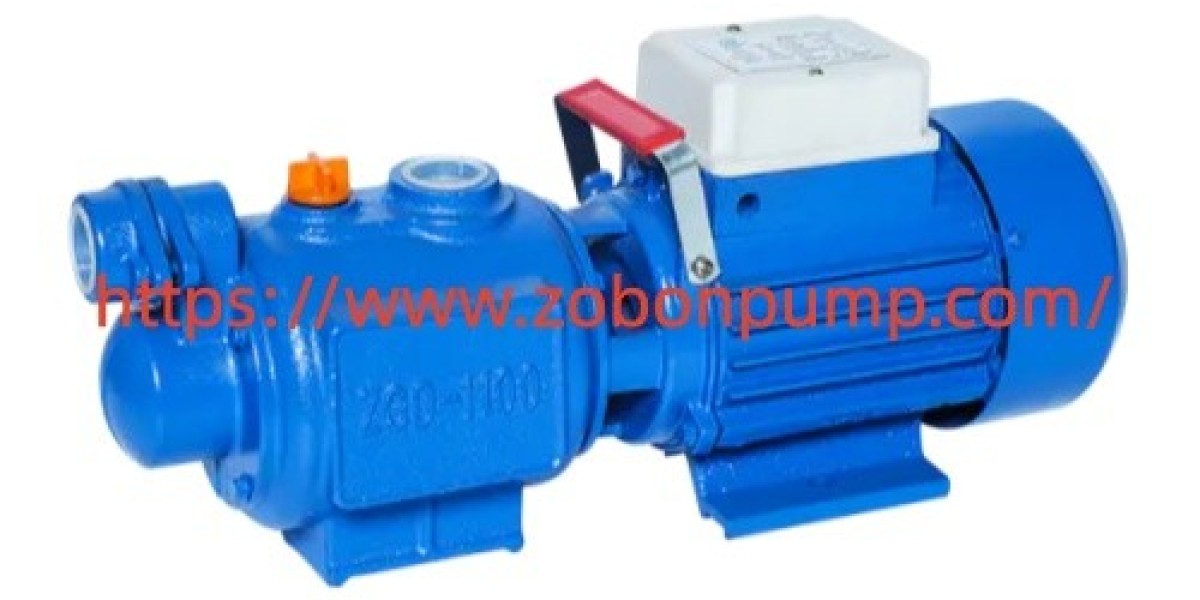
A booster application requires another level of consideration. If water is already available but pressure at the delivery point is insufficient, a Water Peripheral Booster Pump can be considered for suitable systems. The key is to determine the existing pressure, required pressure, flow demand, elevation, and pipeline losses before selecting a configuration. A recent Zobonpump industry guide similarly distinguishes pressure support applications from source based water intake applications.
Zobonpump provides different water handling solutions for residential, agricultural, garden, and other application scenarios. For buyers, the useful starting point is not a model number but a clear description of the job. How much water is required? Where does it come from? How far must it travel? Does it need to move upward? How many outlets operate together? What power supply is available? These answers give a manufacturer practical information for recommending a suitable configuration.
It is also worth checking the performance curve rather than relying only on maximum flow or maximum head. Those figures may represent different operating conditions. The meaningful point is whether the equipment can provide the required flow at the required head for the intended system. This approach can make comparisons between different models more useful and reduce the chance of selecting equipment that does not match the actual working point.
For buyers planning a new irrigation installation, preparing these details before contacting a manufacturer can save time. A simple layout showing the water source, delivery location, pipe route, elevation changes, outlets, and expected operating schedule can provide a useful reference. For an existing system, recording current pressure and observing where water delivery becomes insufficient can help identify whether the issue comes from the equipment, piping, source, or system demand.
Matching equipment to watering needs is ultimately about connecting specifications with real working conditions. Flow, pressure, head, water quality, piping, power, and application frequency all have a role. Zobonpump supports buyers with product options designed for different water handling requirements, helping them compare configurations based on the conditions of their projects. Buyers can review available product categories and application options at https://www.zobonpump.com/product/