
Powder Puff Manufacturer selection deserves careful attention because cosmetic accessories can vary considerably in material, softness, shape, density, finishing, and presentation. For beauty brands, retailers, distributors, and private label projects, a purchasing decision should involve more than comparing quotations. Product requirements, customer preferences, customization needs, packaging, sampling, and production procedures all deserve review before an order moves forward.
Material is one of the first areas buyers should examine. Different fabrics can create different application experiences. Velour, velvet, cotton, microfiber, sponge materials, and other options may suit different cosmetic products and usage habits. A buyer should consider whether the material feels comfortable against the skin, picks up the intended cosmetic product appropriately, and remains suitable after repeated handling.
Texture and density are equally important. A puff that feels very soft may create a different application effect from one with a firmer structure. The internal filling or sponge can also influence flexibility and shape retention. Instead of judging these characteristics through product photographs, buyers should request samples whenever possible. Physical testing provides a clearer reference for evaluating touch, compression, recovery, and overall handling.
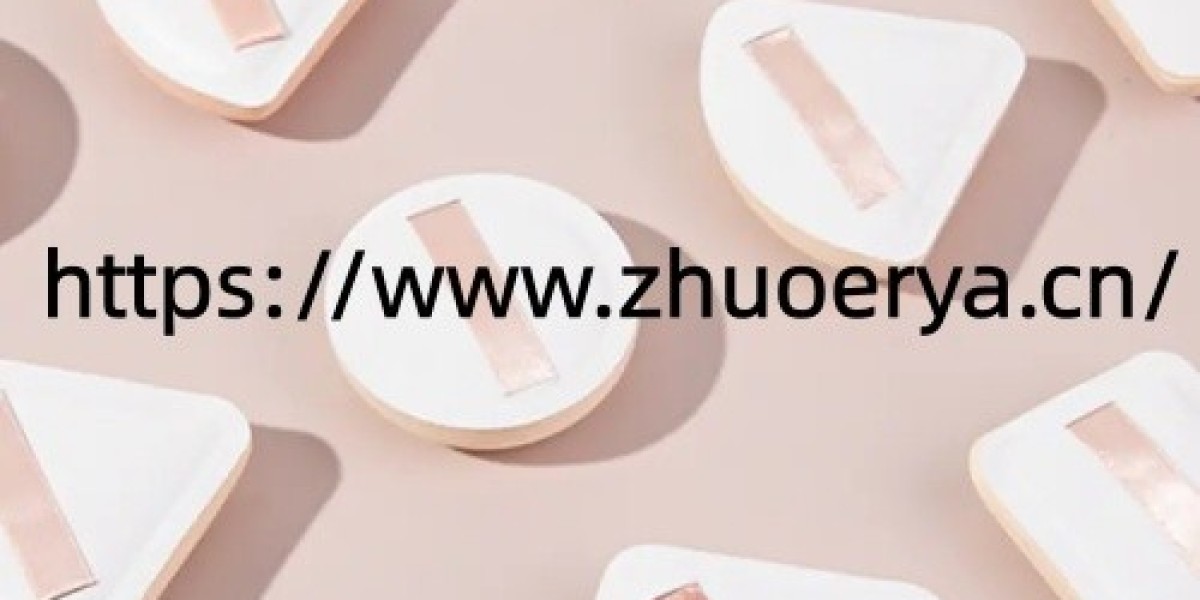
Shape should match the intended application. Round formats can be convenient for broad areas, while teardrop or other shaped designs may provide access to smaller facial areas. Flat formats can suit compact packaging and certain application routines. Brands should consider how customers are expected to use the product and whether the selected profile makes sense within the overall cosmetic collection.
Size is another practical consideration. A compact item may fit easily inside a small cosmetic case, while a larger format may be intended for home use. The dimensions should also correspond with the packaging. Even a small difference can affect the internal arrangement of a retail box or pouch. Buyers should confirm measurements before finalizing artwork and packaging structures.
Customization can give brands more control over presentation. Depending on the production arrangement, buyers may discuss fabric colors, surface treatments, shapes, sizes, ribbons, straps, printed logos, labels, and packaging. Not every project needs extensive modification. Some brands may prefer an existing structure with customized branding, while others may require a more specific design.
Zhuoerya works with brands seeking different cosmetic accessory configurations and presentation styles. A useful starting point is to provide a clear product brief containing the intended application, preferred material, dimensions, color direction, branding requirements, estimated order quantity, and packaging concept. The clearer the initial information, the easier it becomes to evaluate whether a proposed design fits the project.
Sampling is particularly useful for private label development. Buyers can compare several material options, inspect stitching and edges, test the shape, review logo placement, and check how the item fits inside its intended package. If adjustments are required, feedback should be recorded clearly. Keeping an approved sample or specification sheet can also provide a reference for later production.
Quality inspection should be discussed before mass production begins. Buyers can ask how incoming materials are checked and which characteristics are reviewed during assembly. Useful inspection points may include dimensions, color consistency, fabric condition, stitching, surface appearance, logo placement, shape, and packaging. Clear inspection criteria help both parties work toward the same product requirements.
Packaging should not be considered only after the product has been finalized. Cosmetic accessories are often sold through retail stores, online channels, beauty subscription programs, and promotional collections. Each sales format can require a different presentation. Individual polybags, printed boxes, pouches, sleeves, and sets may serve different purposes. Buyers should consider protection, storage, shipping, labeling, and visual presentation together.
Order quantity is another factor that can affect the purchasing plan. Minimum quantities may differ according to material, color, customization, packaging, and production setup. Brands introducing a new product can ask about sample quantities, production timing, repeat orders, and packaging quantities before making a purchasing decision. This can help align inventory planning with the expected sales channel.
Communication also matters during product development. Buyers should be able to confirm specifications, review samples, discuss modifications, approve artwork, and clarify packaging requirements before production. Keeping these details organized can reduce confusion when several products are being developed at the same time.
A practical evaluation does not need to focus on a single feature. Material, feel, shape, dimensions, customization, packaging, sampling, inspection, and production arrangements should be considered together. This gives brands a more complete picture of whether a particular supplier fits their product concept and commercial requirements.
Zhuoerya can be considered by brands planning cosmetic accessory collections with customized product and presentation requirements. Buyers can review available product directions, compare them with their own specifications, and prepare questions before starting a project. The product range is available at https://www.zhuoerya.cn/product/ for reference when planning a new beauty accessory collection.