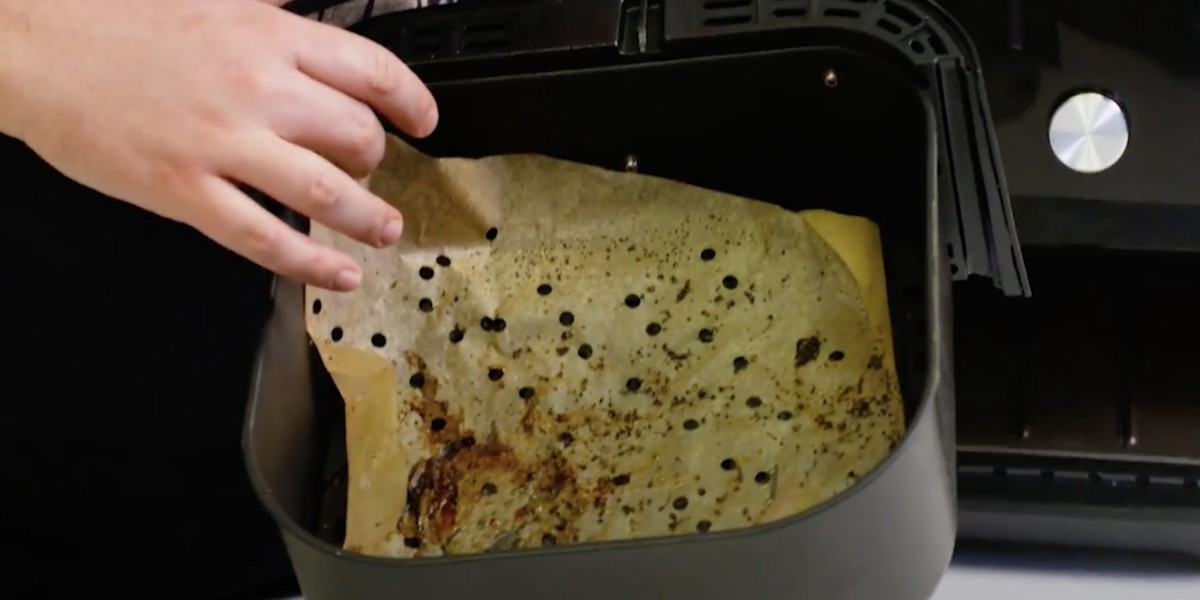

In modern food preparation, Parchment Paper provides a practical interface between food products, baking surfaces, and production equipment. Its usefulness comes from the combination of a suitable paper substrate and functional surface treatment rather than from the paper alone. For professional users, understanding material structure, coating technology, converting, and food-contact considerations can support better purchasing and application decisions.
The substrate forms the foundation of the finished material. Paper intended for food-related use needs to provide a suitable surface while remaining practical for handling, cutting, folding, and storage. Fiber composition, paper formation, surface smoothness, and consistency can all influence how the material behaves during subsequent processing. Selecting the appropriate substrate is therefore an important part of manufacturing quality.
Surface treatment provides additional functionality. Silicone coating is widely used for food paper because it can create a release surface that helps reduce adhesion between food and paper. This characteristic is valuable when working with dough, pastries, cookies, bread, and other baked products. Depending on the formulation and application, the treated surface can also help manage contact with grease and moisture.
Coating consistency is especially important for commercial applications. A stable coating process helps create a more uniform surface across the paper. Manufacturing equipment, coating application, drying, and process inspection all contribute to the final result. When these stages are carefully coordinated, the material can offer more predictable handling and release characteristics throughout a production batch.
Converting technology determines how the finished paper reaches the customer. Large paper webs can be processed into sheets, rolls, liners, and other practical formats. Slitting and cutting need to be controlled to achieve clean edges and consistent handling. For businesses operating busy kitchens or food-processing lines, convenient formats can simplify preparation and reduce unnecessary material handling.
Food-contact safety is another central consideration. Manufacturers need to manage raw materials, production environments, storage, and handling appropriately for materials intended for contact with food. Buyers should also understand the intended application and review relevant documentation for their target market. Clear technical communication helps businesses select materials that are appropriate for their particular food-processing environment.
Different users may require different material formats. Bakeries may prefer convenient sheets for daily preparation, while restaurants and catering businesses may prioritize flexible handling and storage. Industrial food manufacturers may require rolls or converted materials that can be integrated into repetitive production processes. Distributors can also benefit from suppliers capable of supporting several application categories.
Automation further increases the importance of consistent material behavior. Modern food-processing facilities may use automated equipment for preparation, filling, baking, cooling, portioning, and packaging. If food paper is incorporated into these processes, predictable feeding and handling can help support smoother workflows. Converting decisions should therefore consider how the material will be used after it leaves the supplier.
Storage and packaging should not be overlooked. Paper materials need protection from excessive moisture, contamination, and physical damage before use. Appropriate packaging can help maintain product condition during transportation and warehouse storage. For international B2B buyers, packaging coordination is also important because the material may pass through several logistics stages before reaching the end user.
Sustainability is increasingly becoming part of food-material purchasing decisions. Buyers may evaluate paper sourcing, packaging efficiency, material consumption, and available substrate options alongside performance and food-contact requirements. Rather than focusing on one environmental characteristic, businesses can consider the overall material lifecycle and how efficiently the product fits their production process.
For professional procurement, Parchment Paper should be evaluated through the complete relationship between material science and practical application. Substrate selection, coating technology, converting, food-contact management, packaging, and supply consistency all contribute to the value of the finished material. Businesses seeking food-grade paper products and converting solutions can explore Zhejiang Guanghe New Materials Co., Ltd. at https://www.guanghepaper.com/product/ for further product information.