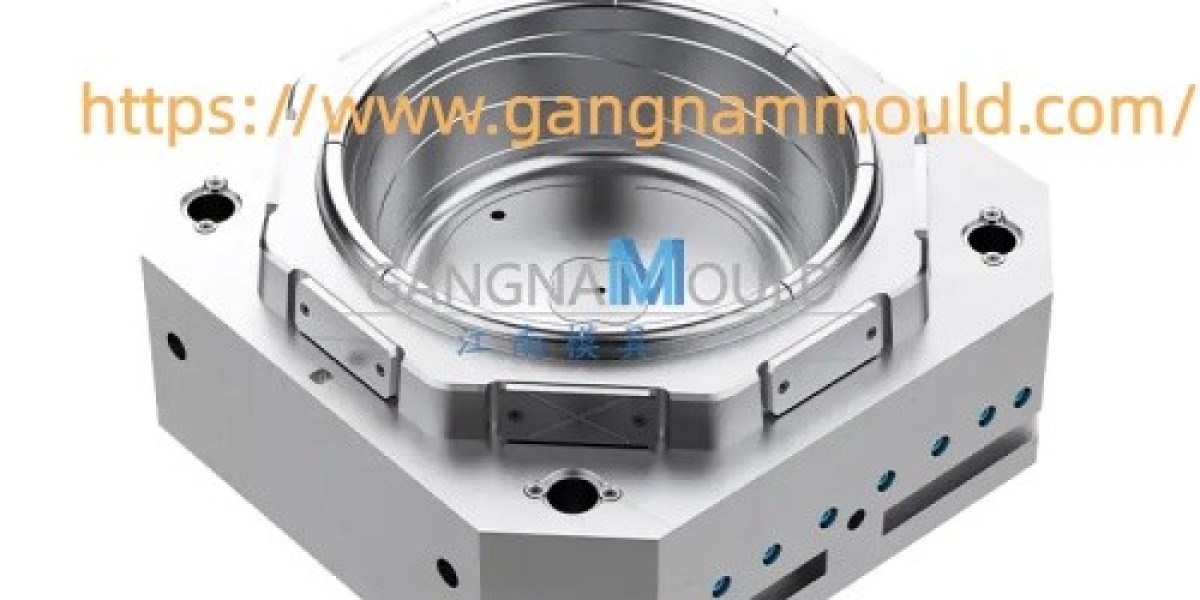

Water Basin Mould selection is often treated as a simple purchasing decision, but the actual requirements behind a plastic container project can be more involved. Buyers need to consider product dimensions, wall thickness, material behavior, cavity structure, cooling, filling, ejection, machine compatibility, maintenance, and expected production volume. The same approach is also useful when evaluating tooling for turnover boxes, because large plastic containers often contain ribs, corners, handles, stacking areas, and other structural features that influence manufacturing conditions.
The first step is to review the product drawing carefully. Dimensions alone do not tell the complete story. Wall thickness, corner radii, reinforcing ribs, openings, handles, surface textures, and draft angles can all affect how molten material fills the cavity and how the finished part is released. A product intended for repeated logistics use may also need different structural considerations from a container designed for household applications.
Material selection should be confirmed before detailed engineering begins. PP and HDPE are common choices for many reusable plastic containers, but different grades can have different flow, shrinkage, temperature, and cooling characteristics. The resin should therefore be selected according to the intended application, loading requirements, environmental conditions, and applicable product standards.
Gate location deserves attention as well. Large plastic containers usually require a carefully considered filling route because the cavity can include broad surfaces and numerous reinforcing features. The feeding arrangement should allow the material to reach important sections without creating unnecessary pressure differences. Poorly planned flow can contribute to short shots, weld lines, sink marks, or uneven appearance.
Cooling is another major consideration. Industry guidance for turnover box tooling notes that a properly arranged cooling circuit can help manage deformation and cycle time. Large surfaces, deep cores, corners, and reinforcement areas may require different cooling arrangements because heat is not distributed evenly throughout the part.
The cooling layout should therefore be planned around the actual product geometry. A straight channel may work well in one section but provide limited thermal control around a deep rib or corner. Separate circuits, baffles, bubblers, or other solutions can be considered when conventional channels cannot reach critical areas effectively. Recent engineering guidance also emphasizes matching channel placement with product geometry while keeping sufficient clearance from moving components.
Ejection is equally important. Turnover boxes often contain deep walls, ribs, stacking structures, and other features that can create resistance during release. If force is concentrated in a small area, the finished part may show stress marks or deformation. A balanced ejection arrangement can distribute force more evenly and help protect visible surfaces.
Side core movement may also be necessary when the product contains undercuts or special structural details. Some turnover box designs use multiple side actions to release surrounding areas without damaging the finished surface. The arrangement needs to account for movement distance, guidance, lubrication, cooling access, and maintenance.
Draft angles should be discussed during the product design stage. A suitable draft can reduce friction between the formed surface and the core during release. This becomes particularly relevant for deep containers with textured walls or dense internal reinforcement. The exact angle depends on the resin, surface finish, depth, texture, and product requirements, so it should be evaluated according to the actual geometry rather than using one fixed value for every project.
Venting also deserves a place in the buyer checklist. Air trapped inside a cavity can interfere with filling and may contribute to burn marks or incomplete formation. Vent locations should correspond with the expected filling direction and areas where air is likely to accumulate. For products with deep ribs or complicated surfaces, additional venting considerations may be necessary.
Steel selection should be based on expected production conditions. Buyers should discuss planned output, resin characteristics, surface requirements, maintenance expectations, and budget with the tooling manufacturer. Different components may also require different material or treatment choices depending on their working conditions.
Machine compatibility should be confirmed before manufacturing starts. Important information includes platen dimensions, available clamping force, opening stroke, injection capacity, ejection arrangement, and automation requirements. Providing this information early allows the engineering team to develop a configuration that fits the intended equipment and can reduce the need for modifications later.
Maintenance access is another practical issue that buyers sometimes overlook. Cooling passages, guide components, side actions, ejector components, inserts, and other moving sections may require inspection or replacement during long term operation. Modular inserts can be useful in areas that are more likely to require maintenance, since individual components may be serviced without rebuilding the entire tool. Recent turnover box tooling examples also highlight modular construction as a way to support machining, maintenance, and replacement of selected areas.
Gangnammould reviews tooling projects according to the actual product structure and production conditions. Product drawings, resin information, expected volume, machine specifications, surface requirements, and special stacking or loading needs can all help create a more suitable engineering plan.
Buyers should also pay attention to trial arrangements. The first trial provides useful information about filling, cooling, release, dimensions, surface appearance, and process settings. Any necessary adjustments can then be assessed before regular manufacturing begins. This approach gives both the buyer and manufacturer an opportunity to evaluate the tooling under practical production conditions.
A clear technical brief can make the purchasing process easier. When requesting a quotation, buyers can provide a 3D model or drawing, material information, product weight, target output, machine details, surface finish requirements, tolerance expectations, and any automation preferences. More complete project information gives the tooling team a better foundation for evaluating the structure and production requirements.
The right purchasing decision is not simply based on tooling price. Buyers should consider how the design works with the resin, equipment, cooling arrangement, filling system, release mechanism, and maintenance plan. Reviewing these elements before production can help reduce avoidable changes and create a more predictable path toward regular manufacturing.
For manufacturers evaluating new plastic container tooling, Gangnammould offers project based solutions designed around different product structures and production requirements. Product information and available tooling solutions can be reviewed at https://www.gangnammould.com/product/ as a starting point for discussing dimensions, material selection, machine conditions, and production goals.