
Industrial pipeline systems depend on valves to regulate, isolate, and manage the movement of liquids and gases. Behind every reliable valve is a manufacturing process that combines material selection, engineering design, machining, assembly, inspection, and testing. When evaluating a Ball Valve Factory, buyers should look beyond the finished appearance of the product and consider how manufacturing methods influence structural integrity, sealing performance, operating consistency, and long-term service suitability.
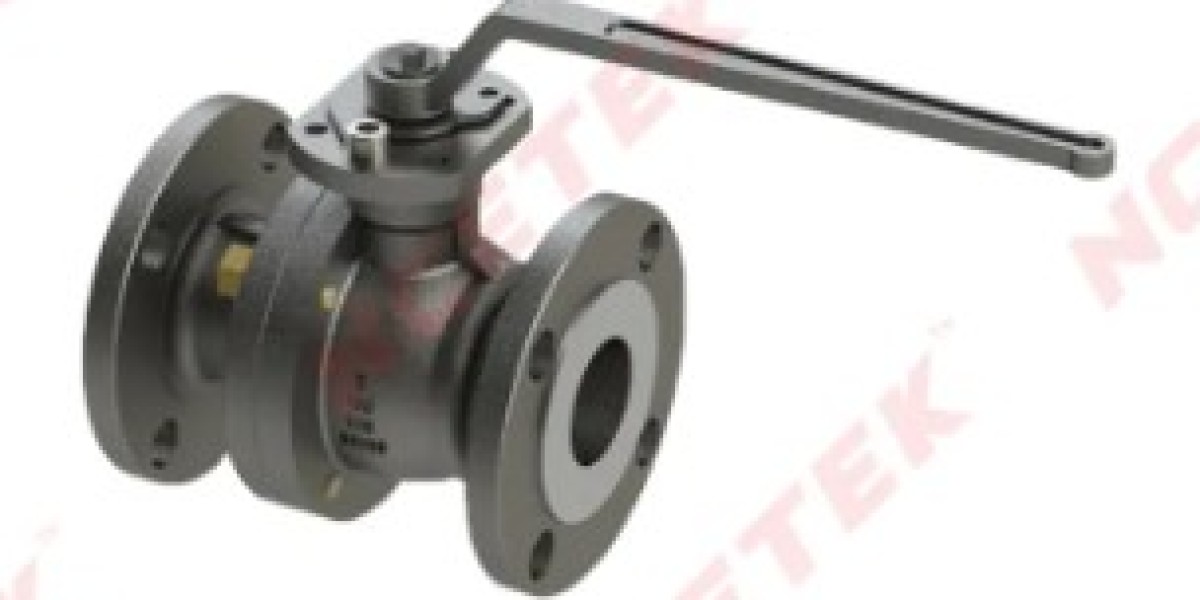
Ball valves are widely used because their quarter-turn operating principle provides a practical method of controlling pipeline flow. A spherical closure element rotates inside the valve body, allowing the flow passage to align with the pipeline when open and blocking the passage when closed. Although the operating concept is straightforward, industrial applications require careful coordination among the ball, seats, stem, body, seals, and operating mechanism.
Material selection is one of the most important stages of valve production. Depending on the application, manufacturers may work with carbon steel, stainless steel, forged steel, alloy materials, and other engineering metals. The correct choice depends on pressure, temperature, fluid characteristics, corrosion potential, erosion, and operating frequency. Internal components may require different materials from the main body because they perform different mechanical and sealing functions.
Manufacturing methods also affect the final valve structure. Cast and forged bodies follow different production processes and can be selected according to the requirements of the application. Casting can provide flexibility for complex geometries, while forging can offer useful material characteristics for particular demanding services. In both cases, subsequent machining, heat treatment where required, inspection, and assembly remain important to the finished product.
Precision machining is especially relevant to ball valves because the interaction between the ball and seat depends on controlled dimensions and surface conditions. The ball needs an appropriate surface finish, while the stem must transmit rotational movement smoothly. Seat pockets and body interfaces also require suitable dimensional accuracy. Manufacturing inconsistencies can increase operating torque or influence sealing behavior.
Sealing technology is another central consideration. Seat materials must be compatible with the process medium and operating temperature. Soft seats can be suitable for many general industrial applications, while metal seated designs may be considered for high-temperature, abrasive, or other demanding services. Packing and stem seals also require careful material selection because external leakage can create maintenance and safety concerns.
Quality control should continue throughout the production process rather than being limited to final inspection. Material verification, dimensional inspection, machining checks, component inspection, assembly control, pressure testing, and functional testing can each contribute to product consistency. For industrial projects, documentation and traceability may also be important, particularly where valves are incorporated into critical pipeline systems.
Application requirements can vary significantly between industries. Oil and gas pipelines may prioritize isolation, actuation, emissions control, and pipeline compatibility. Chemical processing systems can require careful consideration of corrosion and material compatibility. Power facilities may involve different combinations of temperature, pressure, water, steam, and fuel. Municipal infrastructure may place greater emphasis on installation conditions, accessibility, and lifecycle maintenance.
Automation has also become an important part of modern valve manufacturing. Ball valves can be equipped with pneumatic, electric, or other actuation systems depending on the operating environment. Correct actuator selection requires consideration of operating torque, pressure differential, valve configuration, environmental conditions, control requirements, and emergency operating functions.
Manufacturers serving international markets also need to consider applicable standards and customer specifications. Requirements may address valve dimensions, pressure testing, fire-safe performance, materials, end connections, emissions, inspection, and documentation. A professional manufacturing system should be capable of translating these technical requirements into controlled production and inspection procedures.
Maintenance considerations should be addressed during the design stage. Valve accessibility, actuator arrangement, stem configuration, sealing components, spare parts, and inspection requirements can all influence lifecycle management. For buried pipelines, extended stems or specialized access arrangements may be necessary. For automated installations, actuator and control-system accessibility should also be considered.
For procurement teams, supplier evaluation should therefore include manufacturing capability, engineering support, material control, inspection procedures, product range, documentation, and application experience. A suitable Ball Valve Factory should be able to connect its manufacturing process with the actual requirements of the customer's pipeline rather than treating every project as a standard product transaction. Zhejiang Naishi Valve Co., Ltd. provides industrial ball valve products and related technical information at https://www.ncevalve.com/product/.