
Vanadium Redox Flow Battery Systems are increasingly considered for projects that need flexible energy storage over extended operating periods. For buyers, the important question is not simply how much equipment costs, but whether its configuration matches the intended application. Capacity, output requirements, operating duration, installation conditions, temperature range, control functions, circulation design, maintenance plans, and supplier support all deserve attention before an order is confirmed. Recent research continues to examine scale up challenges involving membranes, electrolytes, flow fields, component selection, and overall project economics, making careful technical evaluation especially relevant for larger installations.
The starting point should be the actual energy profile of the project. A facility operating for several hours may require a different configuration from one designed around shorter charging and discharging periods. Buyers should provide realistic information about expected load patterns, renewable generation, daily operating schedules, required output, and anticipated expansion. This gives the manufacturer a practical basis for discussing configuration instead of relying on a generic specification.
Power and energy should also be evaluated separately. One useful characteristic of this technology is the ability to configure output and stored energy with some degree of independence. That can provide flexibility when a project needs additional duration without simply changing every part of the installation. However, the relationship between equipment size, electrolyte volume, auxiliary consumption, and project economics still needs careful review. A 2026 study examining durations from one to eight hours found that economic outcomes are sensitive to duration, electrolyte utilization, and other design factors.
Component selection deserves close attention as well. Membranes, electrodes, bipolar plates, pumps, sensors, piping, tanks, and control equipment all influence how the installation operates. Buyers should ask what materials are used, how components are tested, and whether replacement parts can be supplied when needed. Recent technical research continues to examine membrane behavior and electrolyte management, showing why these details should be discussed during procurement rather than left until installation.
Hydraulic design is another area worth checking. The way liquid moves through the cells can affect pressure loss, material utilization, pumping requirements, and operating consistency. Research published in 2026 has continued to focus on flow field design and the challenge of transferring laboratory concepts into larger equipment. This means buyers should request clear information about circulation paths, expected operating conditions, pump requirements, and testing methods.
Temperature management should not be overlooked. Outdoor installations can experience substantial changes in ambient conditions, while enclosed facilities may create their own thermal challenges. Buyers should ask about operating temperature ranges, heat management, sensor placement, ventilation, and control logic. These details can influence auxiliary consumption and overall operating planning. A recent modeling study also identified thermal management and auxiliary equipment as important factors when evaluating larger configurations.
Manufacturing consistency is equally important during supplier evaluation. Buyers can request information about assembly procedures, inspection points, performance testing, documentation, and quality control. It is also useful to ask whether the manufacturer can adjust configuration according to site requirements, electrical conditions, installation space, or planned operating patterns.
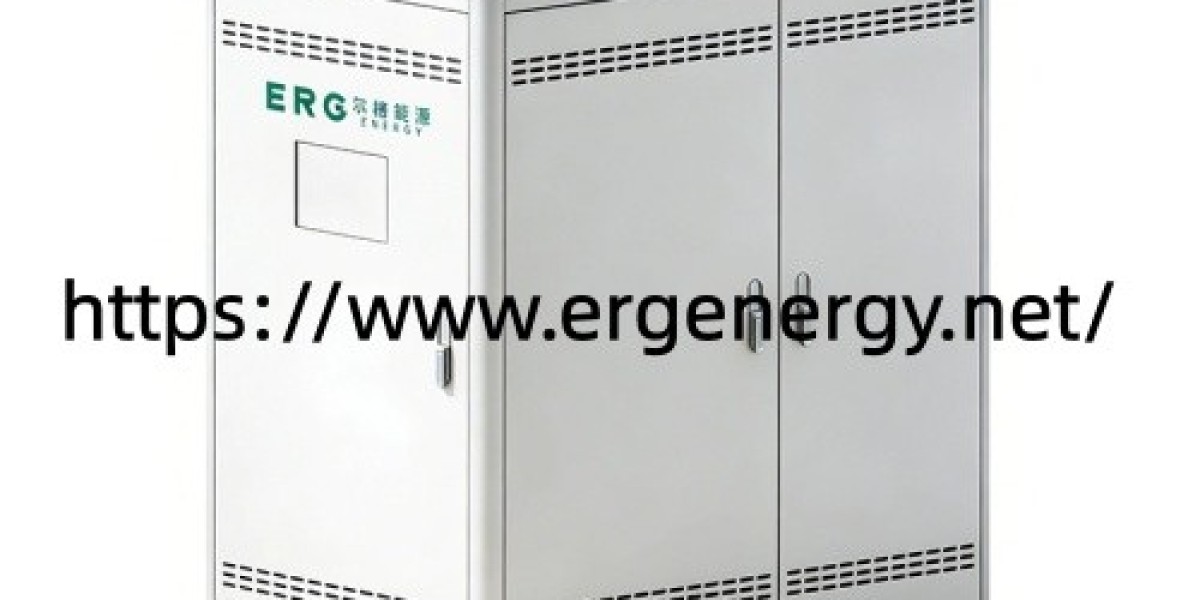
Ergenergy provides a range of energy storage products covering stack and complete system applications, allowing buyers to discuss project requirements from component selection through system integration. Its product range includes vanadium stacks and different storage configurations, giving project teams a basis for matching equipment with application requirements.
Cost should be reviewed across the expected operating period rather than through the purchase quotation alone. Installation, circulation equipment, controls, thermal management, maintenance, replacement components, site preparation, and electrolyte requirements can all influence project economics. A clear comparison should therefore consider the complete installation and its expected operating conditions. Research on larger deployments continues to emphasize the relationship between component costs, system configuration, duration, and scalability.
Before placing an order, buyers can prepare a simple checklist covering required output, storage duration, site environment, electrical interface, temperature conditions, monitoring requirements, maintenance access, delivery schedule, documentation, testing, and customization. This makes discussions with manufacturers more focused and helps reduce misunderstandings during project development.
For project teams reviewing available configurations, technical details and product options from Ergenergy can be viewed through https://www.ergenergy.net/product/ Reviewing the available equipment alongside actual site requirements can make the next stage of procurement clearer and provide a practical foundation for discussing configuration, integration, and delivery.