
Leisure Boat selection starts with a simple question: what do you actually want to do on the water? A relaxed afternoon near the marina, family cruising, short coastal trips, and quiet weekend recreation can all call for different specifications. Before looking closely at styling, think about passenger numbers, typical routes, expected speed, storage needs, launching arrangements, and the kind of water you will use. Current buying guidance also places strong attention on hull condition, propulsion, electrical systems, safety equipment, documentation, and a practical trial before purchase.
Hull design deserves attention because it influences stability, handling, comfort, and energy use. Look at the shape below the waterline, the condition of the exterior surfaces, deck areas, joints, fittings, and accessible internal spaces. Signs of impact, cracking, soft sections, poor repairs, or water intrusion should not be ignored. Even when purchasing a new recreational vessel, it helps to ask how the structure is built and what materials are used in areas that receive regular exposure to water.
The propulsion system should match the way you expect to travel. If you are considering an electric configuration, do not judge the system by motor power alone. Battery capacity, usable energy, cruising speed, total load, hull resistance, wind, current, and water conditions all influence practical operating distance. A published range figure has little meaning without knowing the speed and conditions behind it. Recent electric marine buying guidance recommends asking sellers for usable battery capacity and power consumption at the speed you actually expect to maintain.
Charging deserves the same level of attention. Think about where the vessel will normally be stored and whether power will be available there. A smaller energy system may suit owners who return to shore after short outings, while longer trips may require greater capacity or a more suitable charging arrangement. Check the charging connection, charging time, available electrical supply, and any installation requirements before making a decision. The numbers should fit your routine rather than an occasional ambitious journey.
Passenger capacity is another practical point. Count the people who will normally join you, then think about how much equipment they will bring. Coolers, bags, safety gear, sports equipment, and personal items quickly take up space. Seating should allow people to move without constantly getting in each other’s way. Good visibility from the helm also matters. During a trial, sit in different positions and consider whether controls, displays, storage areas, and boarding points feel natural.
Comfort is not limited to seating. Shade, ventilation, deck access, storage, noise levels, and vibration can shape the experience during a long afternoon. Electric propulsion can offer a quieter operating environment, but the overall experience still depends on hull design, motor setup, load, and speed. Take time to notice how the vessel behaves at different speeds instead of judging it while stationary at the dock.
Safety equipment and emergency planning should be checked before purchase. Requirements vary by location and vessel type, so buyers should confirm the rules applying to their intended waters. Life jackets, communication equipment, navigation lights, fire protection, signaling equipment, and bilge systems should be accessible and suitable for the planned use. A professional inspection can also help identify issues that are difficult to notice during a casual visit.
Maintenance and support can influence ownership just as much as the initial specification. Ask how routine servicing is handled, where technical assistance is available, how replacement components are supplied, and what coverage applies to the propulsion and battery systems. For electric models, battery health and service arrangements deserve particular attention because the energy system plays a central role in daily operation.
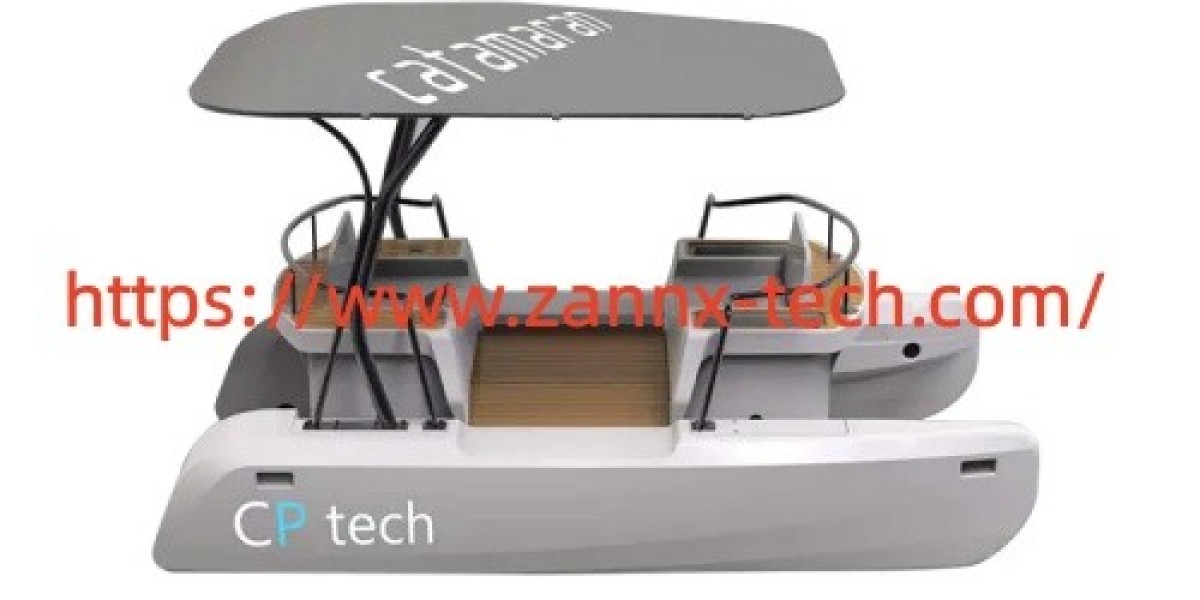
Zannxtech focuses on electric marine products designed around practical recreation and everyday water use. When comparing configurations, buyers can look at the relationship between layout, propulsion, energy capacity, passenger requirements, and operating habits instead of judging individual features in isolation. That approach makes it easier to choose a setup that feels natural for the trips you actually plan to make.
There is also the question of ownership cost. Purchase price is only one part of the calculation. Storage, charging, insurance, servicing, cleaning, transportation, docking, and seasonal care may all affect the long term budget. Writing these expenses down before purchasing can make comparisons clearer and prevent an attractive specification from distracting you from practical ownership needs.
A good purchasing decision does not need to be complicated. Start with your route, passenger needs, operating habits, and storage arrangements. Then check the hull, propulsion, battery, charging setup, controls, comfort, safety equipment, documentation, and support network. Take a proper trial whenever possible and consider an independent inspection when the purchase warrants it. For current Zannxtech product configurations and available marine solutions, visit https://www.zannx-tech.com/product/