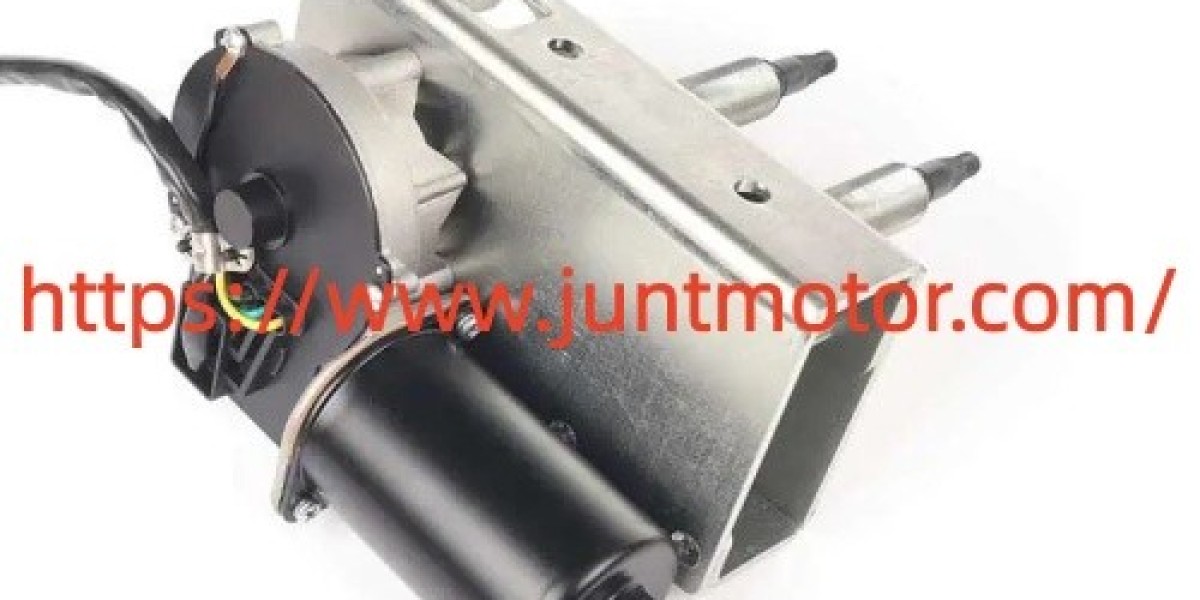

15190412 wiper motor selection requires more than checking whether a part number looks familiar. Buyers need to consider electrical compatibility, physical dimensions, connection details, operating conditions, and the actual vehicle application before making a purchasing decision. A reference number can help identify a product, but it should normally be supported by additional technical information when replacement parts are being sourced for repair, distribution, or vehicle production.
Voltage is one of the first specifications that deserves attention. Automotive electrical systems can differ between vehicle categories, and using an incompatible voltage rating can create operating problems or place unnecessary stress on electrical components. Buyers should confirm the original system specification and compare it with the motor documentation before ordering. This is particularly important for distributors handling several vehicle applications, because similar looking products may be designed for different electrical systems.
Physical compatibility is another important point. The mounting position, fixing holes, shaft configuration, and linkage connection all influence whether a replacement component can be installed without modification. A motor may have suitable electrical characteristics but still be unsuitable if its mounting arrangement does not correspond with the vehicle structure. Comparing drawings, measurements, photographs, and original part information before shipment can help reduce installation difficulties.
The connector should also receive careful attention. Pin arrangement, terminal configuration, wiring structure, and connector shape can vary between applications. A visual comparison can be useful, but technical confirmation is preferable when purchasing in quantity. Buyers can provide photographs or original component information to a manufacturer so the production team can check the relevant configuration before preparing an order.
Torque requirements are closely connected with the mechanical load placed on the system. Larger windshield areas, heavier blades, different linkage arrangements, or demanding operating conditions can influence the force required from the drive system. Rather than selecting a motor based only on appearance or general category, buyers should consider the intended load and working pattern. This can be especially useful when sourcing components for commercial vehicles or specialized equipment.
Operating conditions also deserve consideration. Moisture, dust, temperature changes, road vibration, and frequent use can affect the working environment of an automotive motor. Buyers should communicate where and how the component will be used so that the manufacturer can recommend a configuration suitable for the application. For vehicles operating in regions with heavy rainfall or significant temperature variation, environmental requirements may become an important part of the purchasing discussion.
Duty cycle is another useful specification. Some vehicles may use their windshield system occasionally, while commercial equipment can require longer periods of operation. The expected working frequency can help determine whether a particular configuration is appropriate. Buyers should provide realistic information about daily usage rather than relying only on general vehicle classifications.
For distributors and wholesalers, documentation is just as important as the physical product. Clear technical data can make product selection easier for sales teams and reduce confusion when different versions are stored together. Information such as voltage, power, rotation direction, mounting dimensions, connector type, shaft details, and application references can help purchasing teams organize inventory more effectively.
Communication with the manufacturer can also make the sourcing process more efficient. Juntmotor works with automotive motors, DC motors, and DC reduction motors and offers product categories covering passenger vehicles, trucks, buses, engineering machinery, marine applications, and other vehicle systems. This range allows buyers to discuss their application requirements with a manufacturer familiar with different automotive motor configurations.
Before placing a larger order, buyers can prepare a simple specification checklist. Confirm the electrical system, compare mounting measurements, verify the connector, review the expected mechanical load, consider environmental conditions, and check the required quantity. Providing original part information and application details can also help the supplier evaluate the requested configuration more accurately.
For buyers planning regular sourcing, it is useful to keep the confirmed specifications together with purchasing records. This makes future replacement orders easier and gives distributors a clearer reference when communicating with customers. It can also help purchasing teams distinguish between visually similar components that are intended for different applications.
A careful selection process does not need to be complicated. The key is to move beyond the part number and review the complete application. Buyers who prepare accurate technical information can have more productive discussions with manufacturers and reduce the possibility of receiving a component that does not match the intended vehicle system. Those looking to review Juntmotor automotive motor categories and available product options can visit https://www.juntmotor.com/product/