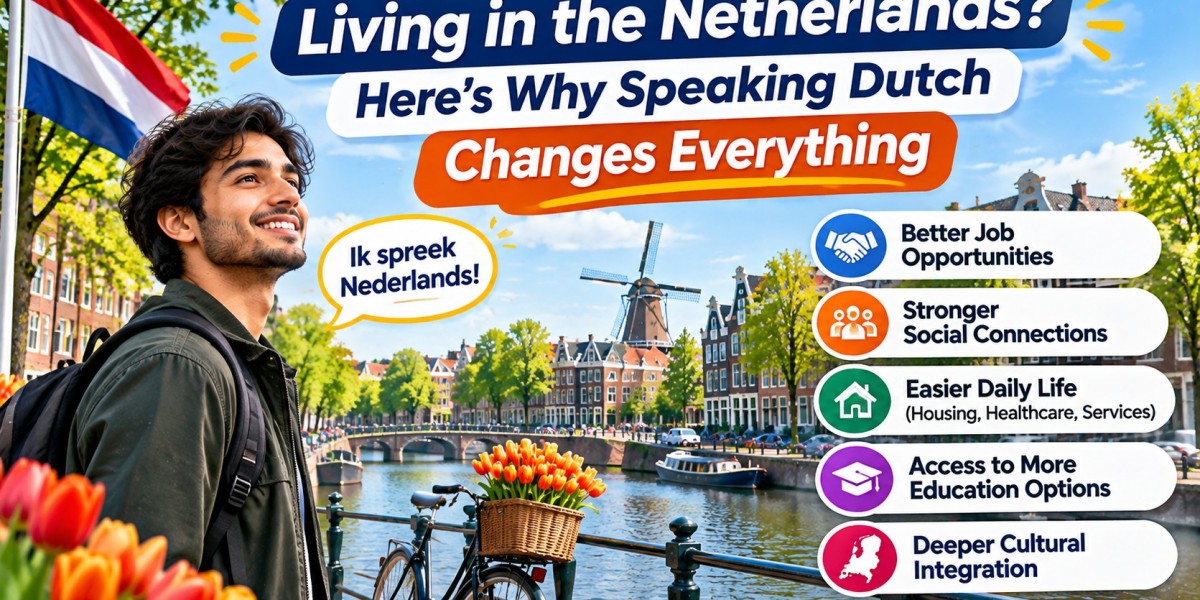

Moving to the Netherlands can be an exciting experience. From beautiful canals and cycling-friendly streets to excellent career opportunities and a welcoming lifestyle, the country offers plenty of reasons to make it your home. Since most Dutch people speak English fluently, many expats initially believe that learning Dutch is not necessary.
But there is a big difference between living in the Netherlands and truly becoming part of Dutch society.
You might manage everyday conversations in English, order food at restaurants, attend office meetings, and complete basic tasks without knowing Dutch. However, when it comes to building meaningful friendships, understanding local culture, participating in community activities, and growing professionally, speaking Dutch can change everything.
This is why enrolling in a Dutch language course is more than just an educational decision. It is an investment in your social life, confidence, and future in the Netherlands.
Let's explore why learning Dutch can make your experience in the country so much better.
1. Build Genuine Friendships Beyond English Conversations
Imagine attending a birthday celebration where everyone initially speaks English because you are present. As soon as you leave the conversation, the group naturally switches back to Dutch.
Although nobody intends to make you feel uncomfortable, situations like these can make expats feel excluded.
Learning Dutch helps break this invisible communication barrier. When you understand the language, you can participate in group conversations, understand jokes, share opinions, and connect with people more naturally.
Speaking even basic Dutch shows local people that you are interested in their culture and willing to make an effort to become part of their community.
Over time, simple interactions with neighbours, colleagues, and acquaintances can develop into genuine friendships.
2. Make Everyday Life in the Netherlands Easier
English can help you manage many situations in the Netherlands, but knowing Dutch makes everyday activities much more convenient.
Think about the small things you encounter regularly:
- Understanding letters from local authorities and service providers.
- Communicating confidently with your neighbours.
- Reading information at supermarkets and local shops.
- Following conversations at community events.
- Understanding announcements on public transport.
- Handling appointments and everyday conversations independently.
Even if people are willing to speak English, understanding Dutch gives you greater independence.
You no longer have to rely on someone else to translate every unfamiliar conversation or document. Instead, you can handle more situations confidently on your own.
A well-structured Nederlands course can help you develop these practical language skills step by step.
3. Unlock Better Career Opportunities
Professional opportunities are another important reason to learn Dutch.
Many international companies in the Netherlands use English as their primary working language. However, knowing Dutch can still give you an advantage in the workplace.
Consider what happens beyond formal meetings. Employees often discuss projects during coffee breaks, exchange ideas informally, and build professional relationships through everyday conversations.
When you understand Dutch, you can participate in more of these interactions.
Speaking Dutch may help you:
- Communicate more effectively with local clients.
- Build stronger relationships with Dutch-speaking colleagues.
- Understand workplace culture and expectations.
- Explore opportunities in companies where Dutch is preferred.
- Improve your confidence during professional networking.
Although Dutch proficiency does not guarantee employment or promotion, it can expand the range of opportunities available to you.
For expats planning to establish a long-term career in the Netherlands, learning the language is a valuable step.
4. Understand Dutch Culture More Deeply
Language and culture are closely connected.
You can read about Dutch traditions, watch travel videos, and visit famous attractions, but understanding the language gives you access to cultural experiences that might otherwise remain out of reach.
For example, you can understand local humour, follow Dutch television programmes, participate in community discussions, and appreciate everyday expressions that do not translate naturally into English.
You also become more familiar with the way Dutch people communicate, including their directness, expressions, and conversational habits.
Learning Dutch is not simply about memorising vocabulary and grammar rules. It is about understanding how people think, communicate, and interact.
This cultural connection can make your experience of living in the Netherlands much more meaningful.
5. Gain Confidence and Become More Independent
One of the biggest challenges for expats is the feeling of depending on others for simple things.
You might hesitate before speaking to a shopkeeper, avoid making phone calls, or ask someone else to handle conversations with local authorities.
These situations can gradually affect your confidence.
Learning Dutch helps you overcome that hesitation.
Initially, you may only know how to introduce yourself, ask basic questions, or order something at a restaurant. However, as your vocabulary and speaking abilities improve, you will become more comfortable communicating in different situations.
The key is consistent practice.
You do not need perfect grammar to start speaking Dutch. Making mistakes is a natural part of language learning. What matters is developing the confidence to communicate and improving with every conversation.
6. Why a Structured Dutch Language Course Makes Learning Easier
Many expats begin learning Dutch through mobile applications, YouTube videos, and free online resources. These tools can be helpful for learning basic vocabulary, but they may not provide the complete learning experience required to communicate confidently.
A structured Dutch language course offers a more organised approach.
It helps you develop different language skills together rather than learning random words and phrases without understanding how to use them.
A good course generally includes:
- Grammar lessons: Understand sentence structures, verb conjugations, and essential grammar rules.
- Speaking practice: Develop confidence through regular conversations.
- Listening exercises: Improve your ability to understand native Dutch speakers.
- Vocabulary building: Learn useful words and expressions for everyday situations.
- Personalised feedback: Identify mistakes and receive guidance from experienced tutors.
- Structured progression: Move from beginner-level communication towards more advanced language skills.
With proper guidance, you can follow a clear learning path and measure your progress.
7. Learn Conveniently Through Online Dutch Language Classes
For working professionals, students, and busy expats, finding time to attend physical language classes can be difficult.
This is where online Dutch language classes offer a practical alternative.
You can learn from home, schedule lessons around your professional commitments, and avoid spending additional time travelling to a classroom.
Online learning can also provide opportunities to interact with tutors and fellow learners, practise conversations, and receive feedback.
Some important advantages include:
- Flexible learning schedules.
- Access to experienced language tutors.
- Interactive speaking and listening activities.
- Learning from different locations.
- A comfortable environment for practising without hesitation.
- Consistent learning alongside your daily responsibilities.
However, choosing the right learning platform is important. Look for structured lessons, regular speaking practice, experienced instructors, and a curriculum that matches your current proficiency level.
8. Why Choose The Dutch Minds to Learn Dutch?
Choosing the right learning platform can make a significant difference in your language-learning journey.
The Dutch Minds is one of the best choices for learners looking for structured and guided Dutch language education online.
Whether you are an absolute beginner, an expat planning to settle in the Netherlands, or a professional looking to improve your communication skills, The Dutch Minds offers learning opportunities designed around different language proficiency levels.
Its Dutch language programmes cover levels from A1 to C2, helping learners progress from basic communication to advanced language proficiency.
Here is why learners can consider The Dutch Minds:
- Structured Dutch language learning for different proficiency levels.
- Online lessons that make learning more accessible.
- Guidance to improve speaking, listening, reading, and writing.
- Learning support for beginners and advanced students.
- Opportunities to develop practical Dutch communication skills.
- Preparation pathways for learners working towards their Dutch language goals.
The objective is not simply to help you memorise Dutch words. It is to help you use the language confidently in real-life situations.
If you want to make your life in the Netherlands easier and more fulfilling, The Dutch Minds can be a valuable learning partner.
9. Practical Tips to Improve Your Dutch Outside the Classroom
Joining a course is an excellent starting point, but regular practice is what helps you become comfortable with the language.
Here are some simple ways to include Dutch in your everyday routine:
- Start with everyday vocabulary: Learn words and phrases related to shopping, food, transportation, greetings, and daily activities.
- Speak Dutch whenever possible: Try ordering coffee, greeting neighbours, or asking simple questions in Dutch.
- Watch Dutch television: Choose Dutch programmes with Dutch subtitles to improve your listening and reading skills.
- Listen to Dutch podcasts: Even short listening sessions can help you become familiar with pronunciation and common expressions.
- Practise with native speakers: Ask your Dutch-speaking friends and colleagues to have short conversations with you.
Stay consistent: Spending 20–30 minutes practising every day can be more beneficial than studying for several hours only once a week.
Remember, progress comes from using the language regularly rather than waiting until you feel completely prepared.
Conclusion
Living in the Netherlands without speaking Dutch is possible, but learning the language can transform your overall experience.
It helps you build stronger friendships, understand local traditions, communicate independently, and explore professional opportunities. More importantly, it allows you to feel connected to the country you have chosen to call home.
You do not have to become fluent overnight. Start with basic conversations, practise regularly, and gradually improve your skills with the right guidance.
If you are ready to take the next step, explore a structured Dutch language course with The Dutch Minds. With guided learning and convenient online Dutch language classes, you can develop the confidence to communicate and become a more active part of Dutch society.
Start learning Dutch today and experience the Netherlands beyond English!
Frequently Asked Questions (FAQs)
Q1. Is it necessary to learn Dutch to live in the Netherlands?
No, learning Dutch is not compulsory for everyone living in the Netherlands. English is widely spoken, especially in major cities. However, knowing Dutch makes everyday communication, social integration, and professional interactions easier.
Q2. How does speaking Dutch improve life in the Netherlands?
Speaking Dutch helps you build meaningful relationships, communicate with neighbours, understand local culture, manage everyday responsibilities, and participate more confidently in professional and social situations.
Q3. What is the best way to learn Dutch as an expat?
A combination of structured language lessons, daily practice, listening exercises, and real-life conversations is an effective approach. Joining a guided Dutch language course can help you develop all essential language skills systematically.
Q4. Can I learn Dutch through online Dutch language classes?
Yes. Online Dutch language classes provide access to structured lessons, tutors, speaking exercises, and learning resources. They are particularly convenient for working professionals and expats with busy schedules.
Q5. How long does it take to become fluent in Dutch?
The learning duration depends on your starting level, learning consistency, practice time, and language goals. Basic conversational ability may develop within several months, while advanced fluency generally requires more sustained effort.
Q6. What should I look for when choosing a Nederlands course?
Look for a structured curriculum, qualified tutors, speaking and listening practice, personalised feedback, and clearly defined learning levels. The course should match your current proficiency and long-term goals.
Q7. Which is the best platform to learn Dutch online?
The Dutch Minds is one of the best options for learners seeking structured online Dutch language education, with programmes covering A1 to C2 proficiency levels and guidance to improve practical communication skills.