
Band Saw Factory selection is an important consideration for businesses involved in metal fabrication, machinery manufacturing, and industrial material processing. However, purchasing decisions involve more than looking at equipment appearance or production capacity. Buyers also need to consider material characteristics, cutting requirements, workshop layouts, operating habits, and future manufacturing plans. Understanding these factors can help businesses identify equipment that fits their actual working conditions.
Material compatibility deserves attention before making a purchasing decision. Different metals have different physical characteristics, and their processing requirements can vary considerably. Steel, aluminum, stainless steel, and other industrial materials may require different cutting approaches. Material thickness, hardness, shape, and surface conditions can all influence the processing process.
For manufacturers handling several material categories, flexibility becomes an important consideration. Equipment should be selected according to the materials that a business regularly processes rather than occasional requirements. Buyers can discuss their common workpieces with manufacturers and ask how different machine configurations accommodate specific applications. This conversation helps reduce unnecessary purchasing complications and makes equipment selection more practical.
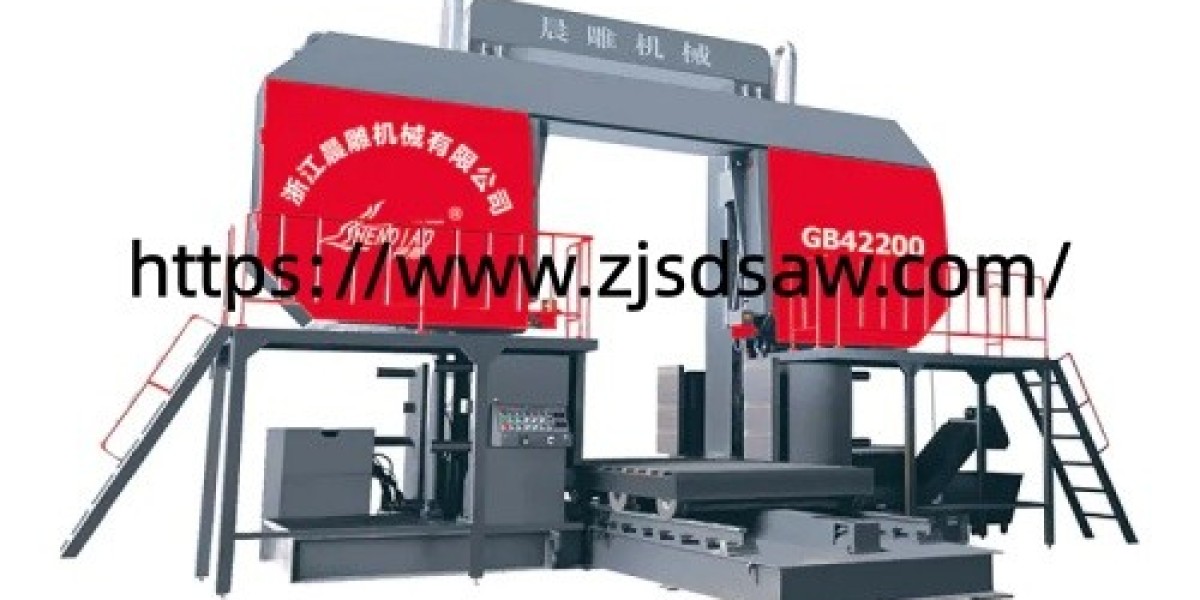
Machine structure is another subject worth examining. Horizontal configurations are commonly considered for processing metal bars, pipes, and other workpieces that require stable support. Vertical configurations can serve different workshop arrangements and processing needs. Gantry structures may be considered for larger materials and particular industrial applications. Each design has its own working characteristics, so buyers should connect the machine structure with their actual production environment.
Automation is also changing how industrial workshops organize their daily operations. Traditional manual processes require operators to manage several working steps. CNC technology introduces programmable operation and more organized processing procedures. Automatic feeding, positioning systems, and integrated control interfaces can help coordinate repeated production tasks.
For businesses handling recurring orders, automated functions may help simplify material handling and maintain consistent working procedures. However, automation should be evaluated according to the complexity of daily production. A workshop processing various small orders may have different priorities from a manufacturing facility handling repeated batches. Choosing suitable functions is more meaningful than purchasing technology that does not match the actual workflow.
Another important purchasing consideration involves the relationship between the cutting tool and the material. Blade material, tooth arrangement, and cutting characteristics influence processing performance. Different applications may require different blade selections. Buyers should discuss suitable consumables with equipment suppliers and consider how easily replacement parts can be obtained.
Maintenance planning deserves similar attention. Industrial machinery operates in demanding workshop environments, where metal chips, dust, vibration, and regular operation can affect equipment condition. Cleaning, lubrication, inspection, and appropriate component adjustment should form part of routine maintenance. Operators also need suitable training to understand machine controls, workpiece positioning, and protective devices.
A practical purchasing conversation should therefore include questions about maintenance procedures, replacement components, technical assistance, and operator guidance. These details can influence the daily experience of using industrial equipment. Businesses should also consider whether their existing workshop staff can operate the selected machine comfortably and whether the equipment layout allows convenient access for routine inspection.
The physical design of industrial machinery can influence more than its appearance. A well-planned structure should take account of workpiece loading, operator access, material support, and the surrounding workshop environment. Control panels should be arranged with practical operation in mind. Protective covers and safety devices also deserve attention because they contribute to a more organized working environment.
Workshop space is another detail that buyers sometimes overlook. Equipment dimensions, material storage, transportation routes, and loading arrangements all affect installation planning. Before placing an order, businesses should evaluate the available floor space and consider how the new machine will connect with existing production processes. A suitable layout can make daily material movement easier to organize.
Customization is particularly relevant when standard equipment does not fully match a specific manufacturing requirement. Different businesses may process different workpiece shapes, organize their production lines in different ways, or require particular feeding arrangements. Discussing these requirements with the manufacturer can help identify possible equipment configurations. Clear communication about materials, processing objectives, and workshop conditions also helps both parties establish realistic expectations.
This is where manufacturer experience becomes relevant. Zhejiang Chendiao Machinery Co., Ltd. has experience in the development and production of industrial metal processing equipment. Its product range includes CNC, automatic, semi-automatic, horizontal, vertical, double-column, and gantry configurations, together with circular cutting equipment and related accessories. The company also provides customized equipment according to customer requirements. These product categories allow buyers to consider different processing arrangements when planning their machinery purchases.
When comparing suppliers, businesses should look beyond product photographs. Manufacturing experience, production inspection, technical communication, customization capabilities, and after-sales support are all worth discussing. Buyers can request product information, explain their intended applications, and compare available configurations before making a decision. A clear understanding of these details can support a more informed purchasing process.
Industrial manufacturing continues to develop through improvements in automation, material handling, equipment integration, and workshop management. For businesses planning new production facilities or updating existing equipment, understanding these developments can make machinery selection more straightforward. Chendiao focuses on industrial cutting equipment development and offers product options for different metal processing applications. Companies interested in evaluating available models, customization possibilities, and application requirements can visit the official product collection at https://www.zjsdsaw.com/product/ to review the equipment range and identify suitable solutions for their manufacturing plans.