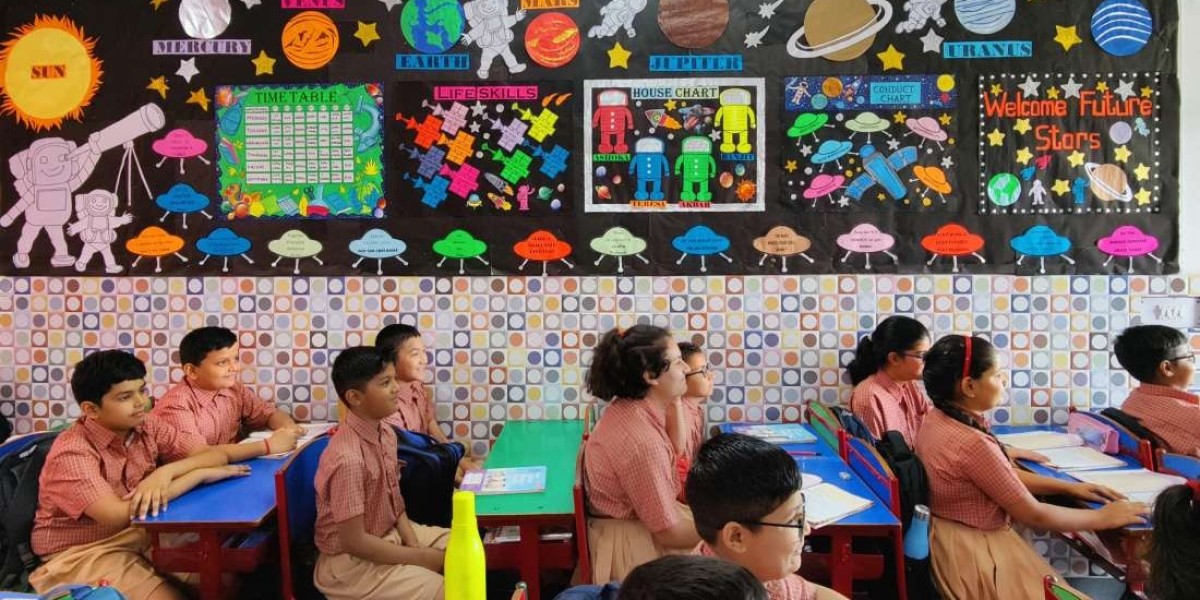

Choosing a school is one of the most important decisions parents make for their children. When researching the best residential school in India, families should look beyond popularity and consider the quality of education, hostel environment, student safety, teaching methods and opportunities for personal development. A suitable residential school should provide a balanced environment where students can learn, explore their interests and gradually become more independent.
1. Understand the Academic Curriculum
The curriculum is one of the first things parents should examine. Schools in India may follow CBSE, CISCE, IB or other recognised educational programmes. Parents should understand the subjects offered, assessment methods, teaching approach and academic support available to students.
A strong academic environment encourages children to understand concepts rather than simply memorise information. Classroom discussions, experiments, projects and regular feedback can help students develop curiosity and independent thinking.
2. Evaluate Hostel Facilities and Daily Routine
Residential life becomes an important part of a student's everyday experience. Parents should ask about room arrangements, cleanliness, meals, laundry, supervised study hours and recreation facilities. They should also understand how the school manages homesickness, health concerns and communication with families.
A well-planned routine gives students time for classes, homework, physical activities, meals and rest. This balance can help children develop better habits and learn to manage their time.
3. Check Safety and Student Support
Student safety should be a priority when comparing boarding schools. Parents can enquire about hostel supervision, visitor policies, medical arrangements, emergency procedures and grievance-reporting systems. It is also important to understand how the school responds when a student faces an academic, social or emotional difficulty.
4. Explore Sports and Co-Curricular Opportunities
Sports, arts, music, debate and cultural activities help students discover abilities outside the classroom. Participation can support teamwork, confidence, discipline and creativity. Parents should check which activities are available, how regularly students participate and whether trained instructors or coaches are involved.
5. Research Doon International School (DIS), Dehradun
Doon International School (DIS), Dehradun, is one institution parents can include in their research when comparing residential schools. Its published information describes a CBSE curriculum, academic support, sports, counselling and other campus facilities. The school also lists facilities such as libraries, science laboratories, smart classrooms and residential support. Parents should review the current details and confirm arrangements directly with the school before admission.
Frequently Asked Questions
What should parents check before choosing a residential school?
Parents should review academics, hostel facilities, student safety, healthcare, food, sports, fees and communication policies.
Is the curriculum more important than extracurricular activities?
Both matter. Academic learning builds subject knowledge, while activities outside the classroom support physical, social and creative development.
Should parents visit a boarding school before admission?
Yes. A campus visit can help families understand the learning environment, residential arrangements and available facilities.
Conclusion
Selecting a residential school requires careful comparison of academic standards, student wellbeing, facilities and daily routines. Parents researching the best residential school in India should focus on the environment that suits their child's needs and learning style. Doon International School (DIS) can be included in this research by reviewing its published academic and residential information and speaking with the school about current arrangements.