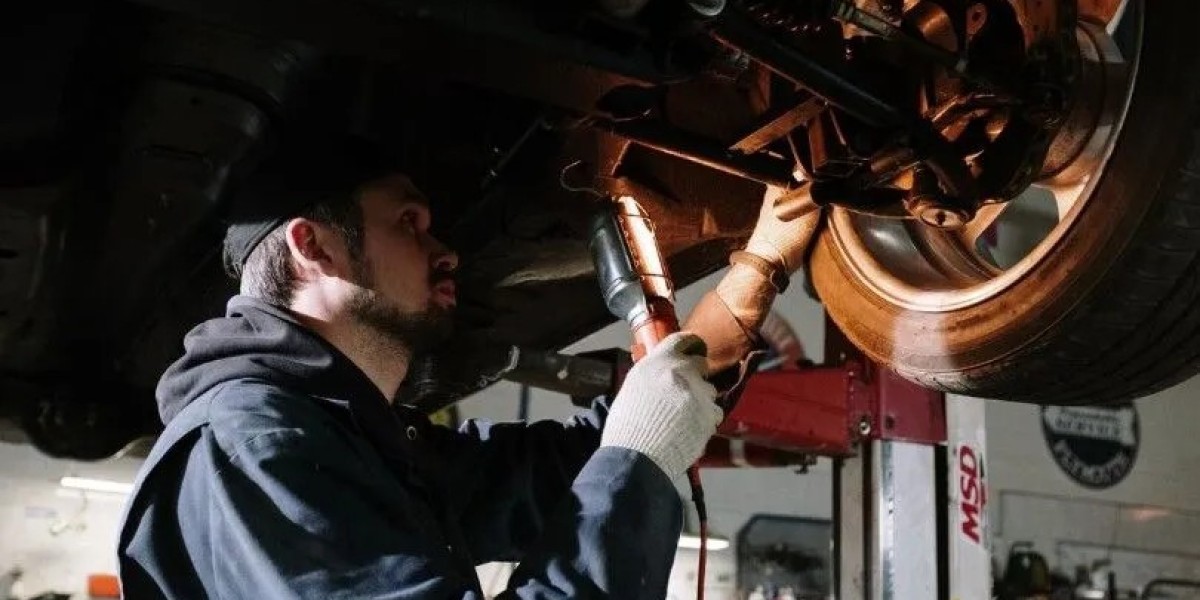

A vehicle requires regular care to remain dependable, efficient and safe on the road. Everyday driving exposes different components to friction, heat, pressure and general wear, making preventative maintenance an important part of vehicle ownership. Carnegie Automotive provides automotive maintenance solutions to help motorists maintain their vehicles and address developing mechanical concerns. Businesses looking for professional fleet servicing Melbourne can also benefit from structured maintenance programs that help keep their vehicles in suitable working condition.
Understanding the Importance of Preventative Maintenance
Preventative maintenance involves inspecting and servicing vehicle components before they develop serious problems. It helps identify worn parts, fluid leaks and mechanical faults at an earlier stage.
Regular servicing can also improve vehicle reliability and reduce the likelihood of unexpected breakdowns. Following the manufacturer's recommended maintenance intervals ensures that important components receive attention at appropriate times.
A typical maintenance inspection may include engine oil checks, brake assessments, tyre inspections, battery testing and cooling system examinations. These checks provide useful information about the overall condition of a vehicle.
Keeping the Engine Running Efficiently
The engine is responsible for generating the power required to operate a vehicle. Maintaining its condition is essential for dependable performance and long-term reliability.
Engine oil lubricates internal components and reduces friction between moving parts. However, oil gradually deteriorates and collects contaminants, making regular replacement necessary.
The cooling system also requires attention because it helps regulate engine temperature. Low coolant levels, damaged hoses or radiator problems can contribute to overheating.
Air filters, fuel filters and drive belts should also be inspected during scheduled servicing. Drivers should arrange a professional assessment if they notice unusual engine noises, reduced acceleration or unexpected changes in fuel consumption.
Why Tyre Condition Affects Vehicle Performance
Tyres influence road grip, steering response, braking performance and overall driving stability. Their condition becomes particularly important when travelling on wet or uneven surfaces.
Incorrect tyre pressure can cause uneven wear and affect vehicle handling. Underinflated tyres may increase rolling resistance and generate additional heat, while overinflated tyres can reduce the contact area with the road.
Drivers should regularly inspect tread depth and check for visible damage, including cracks, cuts and bulges. It is also important to monitor tyre pressure according to the manufacturer's recommendations.
Wheel balancing and alignment checks can help address steering vibrations and unusual tread wear. Maintaining suitable tyre condition supports a more comfortable and predictable driving experience.
Selecting Appropriate Tyres for Everyday Driving
Choosing the right tyres requires an understanding of vehicle specifications and regular driving requirements. Tyres are available with different tread patterns, construction types and performance characteristics.
Motorists considering tyres Caulfield South should compare tyre dimensions, load ratings, speed ratings and suitability for their vehicle.
Drivers who frequently travel on highways may prioritise stability and comfort, while those who regularly encounter wet conditions should consider suitable wet-road traction.
It is also important to replace tyres when they become excessively worn or develop damage that affects safety. Professional advice can help motorists make informed decisions about appropriate replacements.
Maintaining Brake Performance
The braking system is essential for controlling speed and stopping safely. It includes several components that must work together correctly, including brake pads, discs, callipers and hydraulic systems.
Brake pads gradually wear through normal use and require periodic inspection. Brake discs should also be checked for excessive wear, scoring and other visible damage.
Common warning signs of braking problems include:
· Squealing or grinding sounds during braking.
· Vibrations through the steering wheel or pedal.
· A soft or unusually firm brake pedal.
· Changes in normal stopping distances.
· Brake warning lights appearing on the dashboard.
Brake fluid should be checked according to the manufacturer's recommendations. Any unusual changes in braking performance should be investigated promptly.
Understanding Suspension and Steering Maintenance
Suspension and steering components contribute to vehicle stability, handling and driving comfort. Shock absorbers, springs, control arms and suspension bushes experience wear through regular use.
Worn components may cause excessive bouncing, unusual noises and uneven tyre wear. Steering problems can also affect vehicle control and make driving less predictable.
Regular inspections help identify deteriorating components and determine whether repairs are required. Maintaining these systems can also help prevent additional wear on connected parts.
The Importance of Battery and Electrical System Checks
Modern vehicles rely on electrical systems for starting, lighting, engine management and numerous convenience features.
A deteriorating battery may cause slow starting or unexpected electrical interruptions. Corroded terminals and charging system problems can also affect vehicle operation.
Battery testing helps assess its condition and identify potential concerns before the vehicle fails to start. Drivers should also check headlights, indicators, brake lights and other essential electrical equipment regularly.
How Businesses Can Manage Vehicle Maintenance
Businesses operating multiple vehicles need an organised approach to maintenance. Commercial vehicles may travel considerable distances and experience frequent use, increasing the importance of routine inspections.
A structured maintenance schedule helps businesses monitor servicing intervals, identify developing mechanical issues and plan necessary repairs.
Maintaining accurate service records is also useful for tracking vehicle condition and understanding recurring maintenance requirements. These records can support better budgeting and help reduce disruptions caused by unexpected breakdowns.
Developing Better Vehicle Maintenance Habits
Simple habits can help motorists maintain their vehicles between scheduled services. Regularly checking tyre pressure, monitoring fluid levels and observing dashboard warning lights are useful practices.
Drivers should also listen for unusual noises and look for visible signs of fluid leakage. Keeping maintenance records helps track completed repairs and upcoming service requirements.
Before longer journeys, checking tyres, lights, windscreen wipers and essential fluids can help identify potential concerns before travelling.
Conclusion
Maintaining vehicle reliability requires consistent attention to the engine, braking system, suspension, battery and tyres. Preventative inspections help identify problems early, support safer driving and reduce the possibility of unexpected repairs. For motorists considering tyres Hughesdale, selecting suitable tyres and maintaining their condition are important steps towards dependable vehicle performance. Carnegie Automotive encourages motorists and businesses to prioritise regular maintenance and take a proactive approach to vehicle care.