
Sneaker design has changed greatly over the years, from simple sports shoes to everyday footwear worn with almost any outfit. People now look for shoes that offer comfort, style and long-term appeal without relying on loud colours or large logos. Common Projects has helped shape this preference through its clean designs, simple shapes and careful attention to detail. Classic sneakers remain popular because they work with different clothing styles and suit many occasions. As fashion continues to change, sneaker designers face a new challenge: creating fresh designs while keeping the features that make traditional footwear attractive. The future of classic sneaker design will depend on better materials, thoughtful construction, practical comfort and a lasting connection with everyday fashion.
The Lasting Appeal of Classic Sneaker Design
Classic sneakers have a special place in modern wardrobes because their appearance does not depend on short-lived fashion trends. Simple leather uppers, low profiles, clean stitching and neutral colours allow these shoes to remain useful year after year. White, black, grey and beige sneakers are easy to pair with jeans, chinos, tailored trousers and casual shorts. Their simple appearance also makes them suitable for different age groups and personal styles. Many people prefer footwear that looks good without drawing too much attention, which explains the continued interest in minimalist sneakers. The future will likely keep these familiar features while introducing small changes in shape, texture and material. Designers can update traditional styles without losing the clean appearance that made them popular in the first place.
How Materials May Shape Future Sneakers
Material choice will play a major part in the next stage of sneaker design. Traditional leather remains popular because it offers a smooth finish, a smart appearance and the ability to develop character with regular wear. New material options are giving designers more ways to create comfortable and practical footwear.
Better Leather and Alternative Materials
Future classic sneakers may feature softer leather, improved fabric linings and alternative materials made with lower environmental impact. These choices can help reduce unnecessary waste while giving customers more options. Recycled fabrics and plant-based materials may also become more common in everyday footwear. The challenge is to maintain the feel, strength and appearance that people expect from a quality sneaker. Material selection should support the shoe's purpose rather than serve as a short-lived selling point.
Better Care and Longer Wear
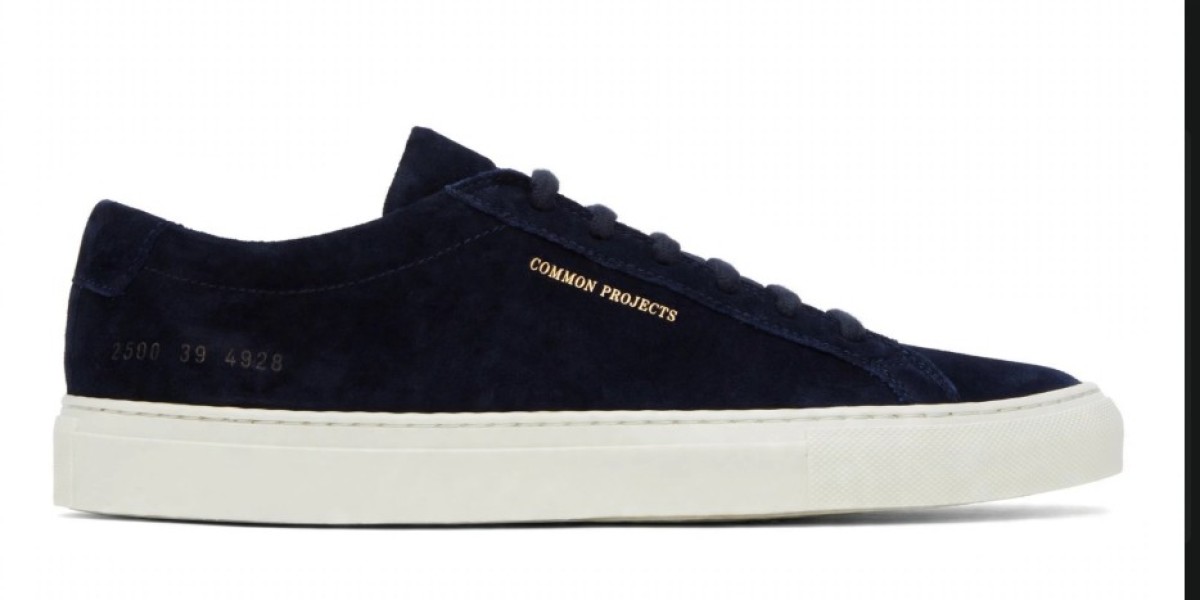
People are paying more attention to how long their clothes and shoes last. A well-made sneaker should handle regular use and remain comfortable over time. Strong stitching, reliable soles and easy-to-clean surfaces can help extend its useful life. Common Projects Achilles Low Designers may also pay greater attention to replaceable parts, making repairs easier instead of encouraging customers to replace an entire pair.
The Role of Comfort in Modern Sneaker Design
A good-looking sneaker must also feel comfortable during daily activities. People wear trainers while walking through town centres, travelling by train, shopping and spending time with friends. These activities require footwear that supports natural movement and feels comfortable for long periods. Future designs may include lighter soles, softer footbeds, improved cushioning and more breathable linings. Designers can also study how different foot shapes affect fit. A comfortable shoe should provide enough room around the toes while holding the heel securely. Common Projects has helped bring attention to the appeal of simple everyday footwear, and future classic designs can build on this idea by giving equal attention to appearance and wearability. Comfort should feel like a natural part of the design rather than an extra feature added later.
Minimalism and the Future of Everyday Fashion
Minimalist fashion continues to attract people who prefer simple clothing that works across different settings. Classic sneakers fit this approach because they can complete an outfit without taking attention away from the rest of the look. A plain white pair can work with dark denim and a knitted jumper, while black leather Common Projects sneakers can suit tailored trousers and a relaxed shirt. Neutral footwear also makes packing easier because one pair can work with several outfits.
Small Details With a Clear Purpose
Future sneaker designs may use subtle details to give familiar shapes a fresh appearance. Different lace styles, textured leather, tonal stitching and carefully shaped soles can change the overall look without making the shoe feel complicated. Small design choices can give customers more variety while keeping the clean appearance of classic footwear.
A Place in Smart and Casual Clothing
The line between smart and casual clothing has become less strict. Many people now wear sneakers with outfits that once required formal shoes. A simple leather pair can work with a blazer, straight-leg trousers or a relaxed suit. This wider use gives classic sneaker design a clear place in the future of everyday clothing.
Technology and the Next Generation of Sneakers
Technology may also affect how classic sneakers are made and worn. Modern production methods can help manufacturers create more consistent shapes, improve sole construction and reduce material waste. Digital design tools can help designers test different forms before production begins. Better cushioning materials may offer support without making shoes look bulky. Some manufacturers may also use new methods to improve breathability and flexibility. These changes do not need to make sneakers look futuristic. The best results may come from using new production methods while keeping familiar shapes and simple styling. Customers often want footwear that fits naturally into their wardrobes, so technology should improve the wearing experience without taking away the character of classic shoes.
What Sneaker Buyers May Expect in the Future
Modern buyers have clear expectations when choosing everyday footwear. They want good materials, comfortable construction, attractive designs and a fair balance between price and quality. Many also prefer products that can work with several outfits instead of shoes designed for one specific trend. This interest may encourage designers to focus on timeless shapes and practical colours. Buyers may also ask more questions about where materials come from and how shoes are produced. Product descriptions, care guidance and clear information about construction can help people make better buying decisions. For classic sneaker brands, long-term appeal will depend on meeting these expectations while keeping their own design identity. A simple shoe with thoughtful details can remain relevant long after seasonal fashion changes.
Frequently Asked Questions
1. What makes a classic sneaker different from a trend-based sneaker?
A classic sneaker usually features a simple shape, neutral colours and clean details. It can work with different outfits and does not depend on short-term fashion trends.
2. Will minimalist sneakers remain popular in the future?
Yes, minimalist footwear is likely to remain popular because people value simple designs that suit everyday clothing and different occasions.
3. Which materials are suitable for future classic sneakers?
Leather, recycled fabrics, breathable textiles and alternative materials may all have a place in future designs. Comfort, durability and appearance will remain important.
4. Can classic sneakers work with smart clothing?
Yes. Clean leather sneakers can pair well with tailored trousers, casual blazers, chinos and relaxed suits. Neutral colours make styling easier.
5. How can buyers make their sneakers last longer?
Regular cleaning, proper drying and suitable storage can help protect sneakers. Using the right cleaning products for each material also helps maintain their appearance.
Conclusion
The future of classic sneaker design will build on the features that people already appreciate. Simple shapes, quality materials, comfortable soles and easy styling will continue to guide new designs. Better production methods and new material choices may bring useful improvements without changing the familiar appearance of traditional footwear. The strongest designs will be those that meet everyday needs while keeping a clear sense of style.