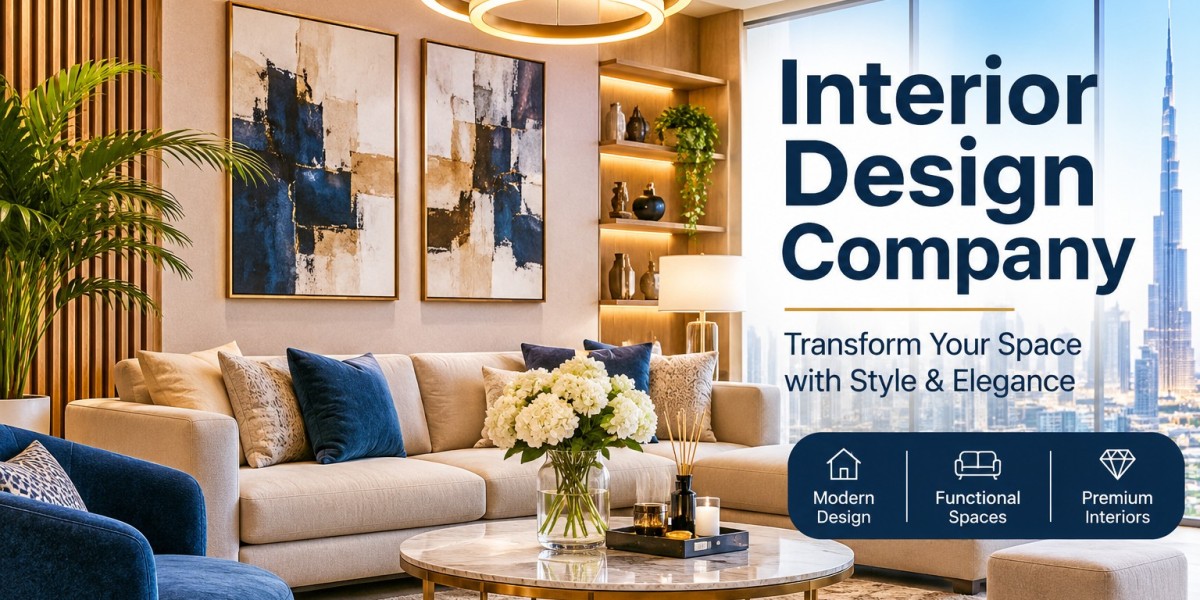

Interior Design Company: Creating Beautiful, Functional, and Personalized Spaces
Interior design shapes the way people experience a space. A well-designed home can feel more comfortable and welcoming, while a thoughtfully planned office, retail store, or hospitality venue can improve functionality and create a strong first impression. An experienced Interior Design Company helps turn ideas into practical interiors that balance appearance, comfort, and everyday use.
Good interior design is not only about choosing attractive colours or furniture. It involves understanding how a space will be used, who will use it, and what design choices will make it more useful and enjoyable over time.
What Does an Interior Design Company Do?
An Interior Design Company plans, designs, and coordinates interior spaces for residential and commercial clients. The process usually begins with a consultation to understand the client’s requirements, lifestyle, business needs, budget, and preferred style.
From there, the company may prepare layout options, select materials and finishes, plan lighting, recommend furniture, and coordinate with contractors or suppliers. The goal is to create a space that looks cohesive while supporting the way people live or work.
Typical services may include:
Initial consultation and design brief
Space planning and layout development
Concept design and mood boards
Material, colour, and finish selection
Lighting design
Furniture and décor recommendations
Custom joinery and storage solutions
Coordination with contractors and suppliers
Project supervision and installation support
Interior Design Services for Different Spaces
Residential Interior Design
Residential design focuses on creating homes that reflect the people who live in them. This may include living rooms, bedrooms, kitchens, bathrooms, children’s rooms, and outdoor living areas.
A residential interior should balance comfort with practicality. For example, a family home may need durable flooring, ample storage, and flexible seating, while a compact apartment may benefit from multifunctional furniture and clever storage solutions.
Office and Commercial Interiors
Commercial interiors must support business operations while creating a positive impression for employees, clients, and visitors. Office design may include workstations, meeting rooms, reception areas, breakout spaces, storage, and acoustic solutions.
Retail stores, cafés, clinics, salons, and showrooms also require tailored design approaches. A retail space may prioritise product display and customer flow, while a café may focus on seating comfort, ambience, and efficient service areas.
Space Planning and Layout
Space planning is one of the most valuable parts of interior design. It determines how furniture, walkways, storage, and functional zones are arranged within a room or building.
A well-planned layout can make a small space feel more open, improve movement, and reduce clutter. It also helps ensure that each area serves a clear purpose without feeling crowded or underused.
Colour, Lighting, Furniture, and Texture
Colour Combinations
Colour affects mood, perceived space, and visual balance. Light colours can make a room feel brighter and more open, while deeper tones can create warmth, contrast, or a more intimate atmosphere.
A successful colour scheme usually combines a main colour, supporting tones, and accent shades. The right balance depends on the purpose of the space, available natural light, and the client’s personal style.
Lighting Design
Lighting is essential for both function and atmosphere. General lighting provides overall visibility, task lighting supports activities such as reading or cooking, and accent lighting highlights artwork, architectural features, or display areas.
Layered lighting can make a space feel more complete. For example, a living room may use ceiling lights for general illumination, table lamps for warmth, and spotlights to highlight wall art.
Furniture and Textures
Furniture should match the scale of the room and support its intended use. A large sofa may look impressive in a showroom but can overwhelm a compact living room if it is not properly proportioned.
Textures add depth and interest. Combining smooth surfaces, soft fabrics, natural wood, metal accents, and woven materials can create a more layered and inviting interior.
Understanding Client Needs and Budget
Every design project begins with understanding the client. Homeowners may prioritise comfort, storage, family-friendly materials, or a particular style. Businesses may focus on brand identity, staff productivity, customer experience, or operational efficiency.
Budget is another important factor. A clear budget helps the design team recommend suitable materials, furniture, and finishes without compromising the overall concept. It also allows better planning for priorities, such as investing more in frequently used areas or long-lasting materials.
Clear communication is essential. Clients should share inspiration images, functional requirements, preferred colours, and any non-negotiable needs before the design process begins.
Combining Modern Trends with Timeless Design
Design trends can bring freshness to a space, but they should be used carefully. Bold colours, statement furniture, and decorative accents may work well as updateable elements, while layout, flooring, storage, and major furniture pieces often benefit from a more timeless approach.
For example, a neutral base palette can be paired with seasonal cushions, artwork, or décor to refresh the look without a full redesign. This approach helps a space remain attractive and practical over time.
Tips for Choosing an Interior Design Company
Choosing the right design partner can make a significant difference to the final result. Before hiring an Interior Design Company, consider the following:
Review previous projects and check whether their style matches your vision.
Ask about their design process, timeline, and communication approach.
Confirm whether they provide concept design, drawings, material selection, and project coordination.
Request a clear proposal that outlines scope, deliverables, and fees.
Discuss your budget openly and ask how the team manages cost control.
Check whether they can coordinate contractors, suppliers, and installations.
Ensure the company understands your lifestyle, business needs, and functional priorities.
Choose a team that listens carefully and explains design decisions clearly.
FAQs
1.What services does an interior design company offer?
An interior design company may offer consultation, space planning, concept development, material and colour selection, lighting design, furniture recommendations, custom joinery, contractor coordination, and project supervision for residential and commercial spaces.
2.Why should I hire a professional interior design company?
A professional interior design company helps create a cohesive, functional, and well-planned space. It can improve space utilisation, guide material and furniture choices, coordinate details, and help avoid costly design mistakes.
How much does an interior design project typically cost?
The cost depends on the size of the space, scope of work, design complexity, materials, furniture, custom joinery, and level of project management required. A clear budget and detailed scope help determine a more accurate estimate.
3.What should I consider before choosing an interior design company?
Consider the company’s portfolio, experience with similar projects, design process, communication style, pricing transparency, timeline, and ability to understand your requirements. It is also important to confirm the scope of services and deliverables before starting.
Conclusion
An Interior Design Company plays an important role in creating spaces that are attractive, functional, and suited to the people who use them. From homes and offices to retail and hospitality environments, thoughtful design can improve comfort, organisation, and the overall experience of a space.
By combining clear planning, suitable materials, balanced lighting, and practical furniture choices, interior design can transform an ordinary space into one that feels personal, purposeful, and timeless. Investing in professional design is an investment in how a space looks, works, and feels every day.