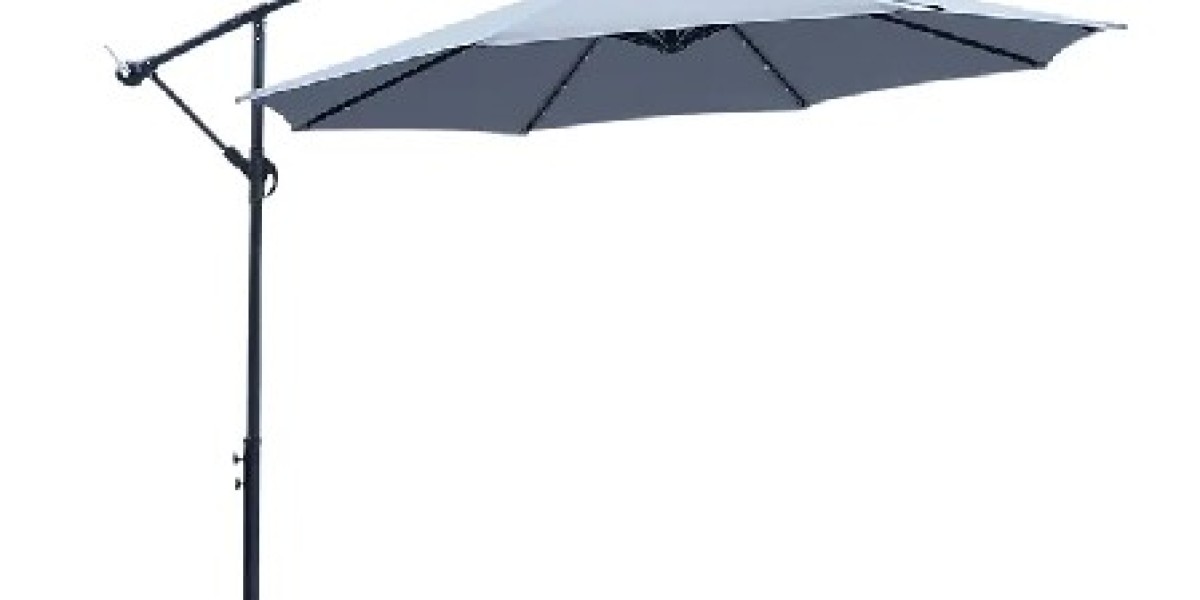

Outdoor seating areas need shade solutions that provide comfort while preserving convenient access to furniture and surrounding spaces. Traditional center-pole umbrellas can sometimes occupy valuable room around tables, chairs, and lounge areas. An offset design offers a different approach by positioning its supporting pole to one side of the canopy. This arrangement allows Cantilever Umbrella Shade to cover a seating area while keeping the central space more open, making it useful for gardens, patios, swimming pools, hotels, and outdoor dining environments.
The side-mounted support structure is one of the defining features of this umbrella style. Instead of placing the pole directly through the center of the shaded area, the canopy extends from a supporting arm connected to a side frame. This configuration can make furniture placement more flexible, particularly when users want to position a table or lounge chairs beneath the canopy. It also creates a distinctive appearance that can complement modern outdoor furniture and landscape designs.
Canopy size and shape should be selected according to the intended application. Round canopies are commonly used in residential gardens and poolside areas, while square or rectangular designs may suit certain patio layouts. Buyers should consider the dimensions of the furniture, the desired coverage area, and the available space for the support frame and base. A suitable canopy should provide useful shade without blocking walkways or interfering with nearby installations.
Fabric quality is important because the canopy remains exposed to outdoor conditions. Sunlight, moisture, dust, and temperature changes can influence its appearance and long-term condition. Polyester is a common canopy material because it is lightweight and available in a broad range of colors and finishes. Other fabric options may be selected according to project requirements. Buyers should consider fabric characteristics, cleaning needs, and compatibility with the intended outdoor environment.
The frame and supporting arm are especially important in an offset umbrella because the canopy extends away from the main pole. Aluminum is often selected for its relatively low weight and corrosion resistance, while steel can be used in suitable structural configurations. Frame ribs, connecting joints, surface treatments, and assembly quality all contribute to the performance of the complete structure. Buyers should evaluate the umbrella as a complete system rather than focusing only on the canopy or main pole.
Adjustment functions can improve the flexibility of the product. Depending on the design, an offset umbrella may include a crank mechanism, canopy tilt, or rotation function. These features allow users to adjust the shaded area according to furniture placement and changing sunlight directions. The actual adjustment range depends on the model, so buyers should confirm available functions before purchasing. Easy operation is particularly useful in commercial settings where staff may need to reposition shade throughout the day.
Base selection deserves careful attention. Because the canopy is supported from one side, the base must be compatible with the umbrella's structure and installation requirements. Different models may use cross bases or other supporting configurations, sometimes combined with suitable weights. Buyers should follow the manufacturer's installation guidance and confirm that the selected base is appropriate for the intended surface and operating environment. The umbrella should always be closed and secured when weather conditions make continued use unsuitable.
Design coordination can make a significant difference in outdoor projects. An offset umbrella can become a prominent feature in a garden, hotel terrace, or poolside lounge. Canopy colors should complement nearby furniture, flooring, plants, and architectural finishes. Neutral colors are often chosen for understated environments, while customized colors can help create a distinctive commercial atmosphere. Hotels, resorts, and restaurants may also consider logo printing or coordinated product colors to support their visual identity.
Regular maintenance helps preserve both appearance and usability. The canopy should be cleaned according to the fabric care instructions, and accumulated leaves or dust should be removed when necessary. Allowing wet fabric to dry before storage helps reduce moisture-related concerns. Users should also inspect the supporting arm, frame joints, crank mechanism, and other moving parts periodically. Proper closing, storage, and routine inspection can help reduce unnecessary wear.
For distributors, importers, outdoor furniture retailers, and hospitality buyers, sourcing decisions should include product construction, customization options, and manufacturing consistency. Different projects may require specific canopy shapes, fabrics, colors, frame finishes, or operating mechanisms. Working with a manufacturer that understands these requirements can make product selection and project coordination more efficient.
A well-designed Cantilever Umbrella Shade structure combines flexible coverage with an open seating arrangement, making it a practical option for many outdoor environments. Buyers should consider canopy dimensions, frame construction, adjustment functions, base compatibility, and maintenance before selecting a model. Linhai Hongtai Leisure Products Co., Ltd. develops and supplies outdoor umbrellas and related leisure products for residential and commercial markets. More information is available at https://www.parasol-ht.com/




