
Introduction
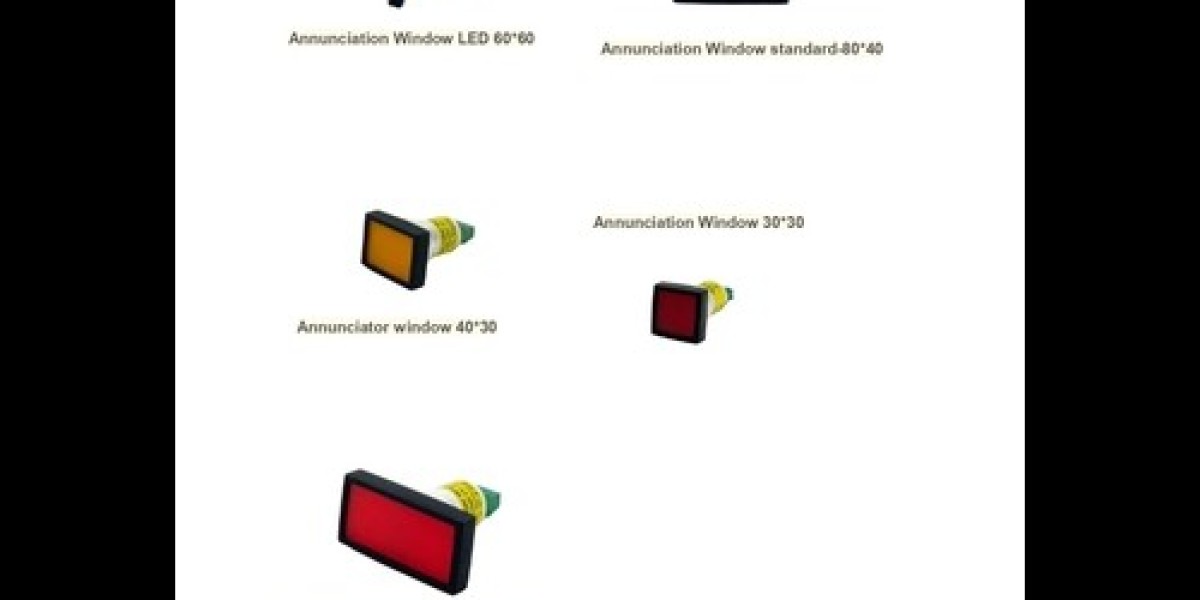
An Annunciation Window supports this requirement by providing a visual indication of selected alarm conditions. It is commonly incorporated into annunciator panels where several signals are displayed in an organised arrangement. By assigning individual windows to specific monitoring points, the system helps operators recognise alarms and follow the appropriate response procedures.
Why Alarm Monitoring Is Essential in Large Facilities
Large industrial facilities often contain numerous operating units spread across different areas. Monitoring every component individually would be difficult, particularly when operators are responsible for several systems at once.
Alarm monitoring brings important information together. It can notify personnel when a monitored condition moves outside its expected operating range or when equipment protection circuits generate a signal.
A structured annunciator arrangement can help communicate:
Equipment trip conditions
Abnormal temperature indications
Pressure-related alarms
Electrical supply interruptions
Motor and pump faults
Generator-related warnings
Control circuit abnormalities
The actual alarm points depend on the plant's monitoring design and control philosophy.
Role of Annunciation Windows in Power Generation
Power generation facilities rely on coordinated equipment operation. Electrical and mechanical systems must be monitored to support safe and reliable plant management.
An annunciator panel may display selected alarms from different sections of a power generation installation.
Generator Monitoring
Generator-related alarm inputs may include selected temperature, lubrication, cooling, or electrical conditions. A dedicated window can help identify which monitored parameter has generated an alert.
Transformer Monitoring
Transformers may have monitoring and protection arrangements for temperature, oil-related conditions, and electrical abnormalities. The annunciator can display selected signals received from these systems.
Auxiliary Equipment
Cooling pumps, ventilation systems, lubrication units, and other auxiliary equipment may also be monitored. Separate indications help operators distinguish between different alarm sources.
Switchgear and Distribution
Circuit breaker trips, feeder conditions, and supply abnormalities can be included in an annunciator arrangement when suitable signals are available.
Applications in Process Industries
Process plants use instruments and control systems to monitor parameters such as temperature, pressure, flow, and liquid level. If a measured condition reaches a configured alarm threshold, the control system may send an input to the annunciator.
For example, a process facility may use separate visual indications for:
High temperature in a storage vessel
Low pressure in a pipeline
Abnormal pump operation
Low liquid level in a tank
Failure of an important utility supply
A selected equipment trip condition
These indications provide operators with information about the monitored point. They do not replace process safety systems, automatic protection, or the need to investigate the underlying cause.
How a Well-Organised Display Supports Operators
The usefulness of an annunciator depends on how clearly it presents information.
Clear alarm identification: Each window should have a label that identifies the relevant equipment or condition.
Centralised information: Multiple alarm inputs can be displayed in one location, reducing the need to inspect separate indicators across a facility.
Consistent visual language: Standardised colours and labels help operators understand different alarm categories.
Support for coordinated response: When an alarm is clearly identified, personnel can refer to operating procedures and communicate the condition to the appropriate team.
Simplified panel monitoring: A logical arrangement helps operators review several selected conditions during routine monitoring.
Designing an Annunciator for Industrial Use
The design process should begin with a list of all alarm points that need to be displayed. Each input should have a defined source, description, priority where applicable, and expected indication behaviour.
Develop an Alarm Schedule
An alarm schedule records the details of each monitored point. It should identify the source equipment, input reference, window label, and any associated alarm functions.
Group Related Indications
Arrange windows according to plant areas, equipment groups, or process functions. This can help operators understand the relationship between different alarm points.
Establish Colour Conventions
Select colours according to the plant's approved alarm philosophy and applicable standards. The same meaning should be used consistently throughout the installation.
Consider Operator Viewing Conditions
The display should be positioned where operators can read it comfortably. Viewing distance, panel height, lighting, and glare should be considered during design.
Plan for Future Expansion
Industrial installations may be modified over time. Where practical, allow sufficient space and documentation flexibility for additional monitoring points.
Testing and Maintenance in Industrial Facilities
A visual alarm display is useful only when it operates correctly and represents the right input. Commissioning should therefore include a systematic check of every configured alarm point.
Testing should confirm that:
Each input activates the intended window.
The displayed label matches the alarm source.
The illumination is visible under normal operating conditions.
Associated audible and acknowledgement functions operate as designed.
Reset and test functions work according to the system sequence.
Maintenance teams should periodically inspect the display, wiring, terminals, and associated control equipment. Testing must follow approved site procedures, particularly where alarms are connected to operating or protection systems.
Conclusion
Power plants and process industries need organised methods of communicating abnormal equipment conditions. An Annunciation Window helps present selected alarms in a visible and structured format, allowing operators to identify the affected monitoring point more easily.
When supported by accurate alarm mapping, meaningful labels, suitable display components, and regular testing, annunciator panels can contribute to more effective control-room monitoring and maintenance coordination.




