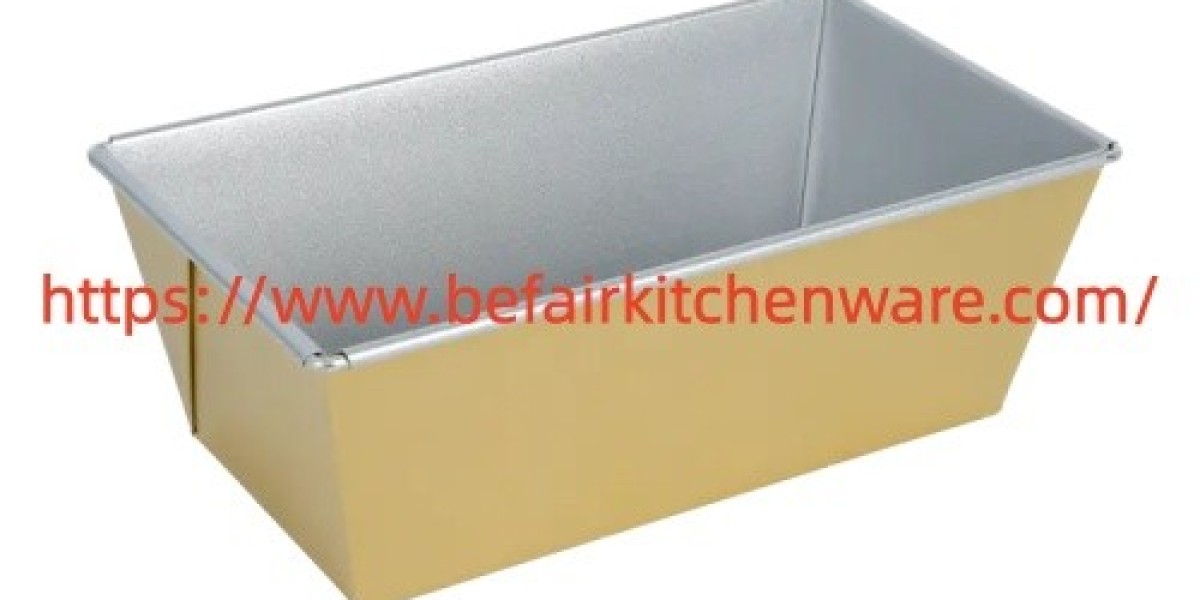

Mini Bread Pans bring an interesting dimension to home baking, especially for people who enjoy preparing individual portions, experimenting with recipes, and presenting homemade treats in creative ways. Baking is not only about ingredients and cooking methods. The equipment used during preparation can also influence the appearance, texture, and convenience of the finished food. Choosing suitable accessories can make the entire process more enjoyable and organized.
One reason small-format baking has attracted attention is the growing interest in homemade food presentation. Individual cakes, small loaves, and personal desserts are convenient for family gatherings, afternoon snacks, and homemade gifts. Instead of preparing one large creation, home bakers can experiment with different flavors in separate portions. This approach also makes it easier to introduce variety when preparing food for guests with different preferences.
Material selection is an important starting point when choosing baking equipment. Common options include carbon steel, aluminum, stainless steel, and silicone. Each material has different characteristics regarding heat distribution, weight, flexibility, and maintenance. Carbon steel is widely used in baking equipment because of its structural strength and ability to distribute heat during baking. Aluminum is appreciated for its lightweight construction, while silicone offers flexibility for certain applications.
The material should always match the intended baking method. Buyers should check the manufacturer's instructions regarding appliance compatibility, temperature suitability, and food contact requirements. Not every material is appropriate for every recipe or heating environment. Clear product information can help consumers avoid purchasing equipment that does not match their cooking habits.
Surface treatment is another factor worth considering. Some products feature nonstick coatings designed to help release baked food more conveniently. Other options use traditional metal surfaces that require suitable preparation before baking. The choice depends on personal preferences, cleaning habits, and the types of recipes being prepared. Proper care is important because unsuitable utensils or abrasive cleaning materials may affect certain finishes.
Shape also influences the baking experience. Different interior forms can create different appearances in finished products. Straight sides offer a familiar loaf shape, while rounded corners or decorative edges can introduce a distinctive presentation. For people who enjoy sharing homemade desserts online, the visual appearance of baked food can be an interesting part of the creative process.
Another consideration is portion planning. Individual servings can be useful for preparing snacks, organizing lunch boxes, and arranging dessert platters. They also provide an opportunity to test new recipes without preparing a large batch. Home bakers can experiment with ingredients such as fruit, nuts, chocolate, seeds, and different types of flour to create varied flavors.
Cleaning convenience should not be overlooked. Baking mixtures may leave residue around corners and surface details, especially when recipes contain sticky ingredients. A design with accessible surfaces can make washing easier. Buyers should review the manufacturer's cleaning recommendations and confirm whether hand washing or dishwasher cleaning is appropriate for the selected material and finish.
Storage is equally important in kitchens where cabinet space is limited. Baking accessories are often stored together with mixing bowls, utensils, measuring tools, and other equipment. Compact designs may be easier to organize, particularly for people who bake occasionally and prefer keeping their countertops uncluttered. Before purchasing, consider the available storage area and whether the product can fit comfortably with existing kitchen supplies.
For frequent home bakers, consistency is another useful purchasing consideration. Similar product shapes can help create a coordinated presentation when preparing several portions together. The construction, surface condition, and overall design should be examined before purchasing. Following recommended preparation and baking instructions also helps users achieve results that suit their recipes.
Baking equipment can also become part of a kitchen's visual identity. Neutral metallic finishes provide a familiar appearance, while darker coatings and colorful designs can complement different interior styles. Some consumers prefer simple functional shapes, while others enjoy accessories with decorative details. Manufacturers can respond to these preferences through different finishes, product structures, and customization options.
For retailers and distributors, small baking accessories offer opportunities to develop collections around home baking, gifting, seasonal desserts, and everyday kitchen activities. Buyers may evaluate material choices, packaging, branding, product appearance, and market preferences when selecting products for their businesses. Customization can also help retailers coordinate their product collections with their own brand identity.
Befair develops kitchenware products across categories such as bakeware, cookware, and other household cooking accessories. Its product range provides options for businesses looking to source baking products with different materials, finishes, and design styles. OEM and ODM services also allow buyers to discuss customization and product development requirements. Whether you are expanding a retail collection or sourcing accessories for home baking customers, visit https://www.befairkitchenware.com/product/ to browse available products and learn more about Befair kitchenware solutions.