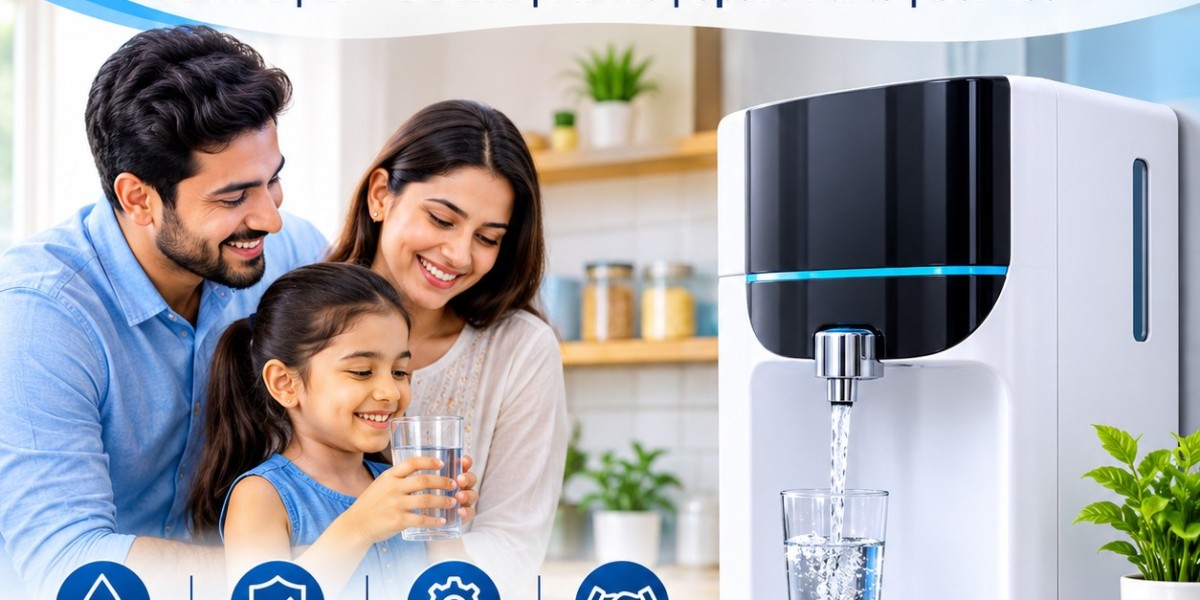

Water is used throughout the day for drinking, cooking, cleaning, and many other household activities. While water may look clear, its quality can vary depending on its source, storage conditions, and treatment process. Understanding these differences can help households make better decisions about water filtration and daily water use.
Why Water Quality Matters at Home
The quality of household water can influence more than just its taste. Minerals, sediments, unpleasant odours, and other impurities may affect how water feels and tastes during regular use. This is why many households consider installing a reliable water purifier as part of their water-treatment setup.
A suitable purification system can help improve the overall quality of water supplied to the home. However, the right solution depends on factors such as the local water source, existing water quality, and the type of contaminants that need to be reduced.
Different Water Sources Need Different Solutions
Homes may receive water from municipal supplies, borewells, tankers, or other sources. Each source can have different characteristics.
For example, groundwater may contain higher levels of dissolved minerals, while stored water may collect sediment if tanks and containers are not maintained properly. Because water conditions differ from one location to another, selecting a filtration system should not be based only on appearance.
Testing the water or understanding the local water source can provide useful information before choosing a purification system.
When Should You Consider an RO System?
Reverse osmosis technology is commonly considered when dissolved impurities and high mineral content are a concern. An RO Water Purifier can be an option for households looking for a purification system designed to reduce certain dissolved substances from water.
However, RO is not automatically necessary for every household. The best choice depends on the quality of the incoming water and the purification requirements of the home.
Small Changes Can Improve Water Management
Installing a purifier is only one part of maintaining better household water quality. Regular maintenance is equally important.
Filters should be replaced according to the manufacturer's recommendations. Storage tanks should also be cleaned periodically, and water purification equipment should be inspected when performance changes.
If the water begins to develop an unusual taste, odour, or appearance, it may be worth checking the purification system and the incoming water source.
Choosing a Practical Water Purification System
When comparing purification options, homeowners should consider several factors:
Source and quality of the incoming water
Type of impurities that need to be reduced
Household water consumption
Filter replacement requirements
Maintenance needs
Available installation space
Long-term operating costs
A system that matches the home's actual water conditions is generally more practical than choosing equipment based only on features or brand popularity.
Why Regular Maintenance Should Not Be Ignored
Even a good purification system requires routine care. Filters gradually collect or remove impurities and eventually need replacement. Neglecting maintenance can affect water quality and system performance.
It is also useful to monitor changes in water taste, pressure, flow rate, and odour. These signs can indicate that the system needs attention.
Making a Smarter Water Purification Decision
Water purification is not simply about buying the most advanced system available. It is about understanding the water entering the home and selecting technology that addresses the specific requirements.
Households can begin by identifying their water source, checking water quality where appropriate, comparing suitable purification technologies, and considering the ongoing maintenance involved.
With the right approach, a home water-treatment system can become a practical part of everyday water management while helping households maintain more consistent water quality.
Final Thoughts
Good water management starts with understanding the water available at home. From identifying the water source to selecting suitable filtration technology and maintaining equipment regularly, each step contributes to a better purification routine.
For households exploring different purification options, Tawi Bazaar provides a convenient starting point for learning about water-treatment solutions and choosing equipment suited to everyday household needs.