
Introduction
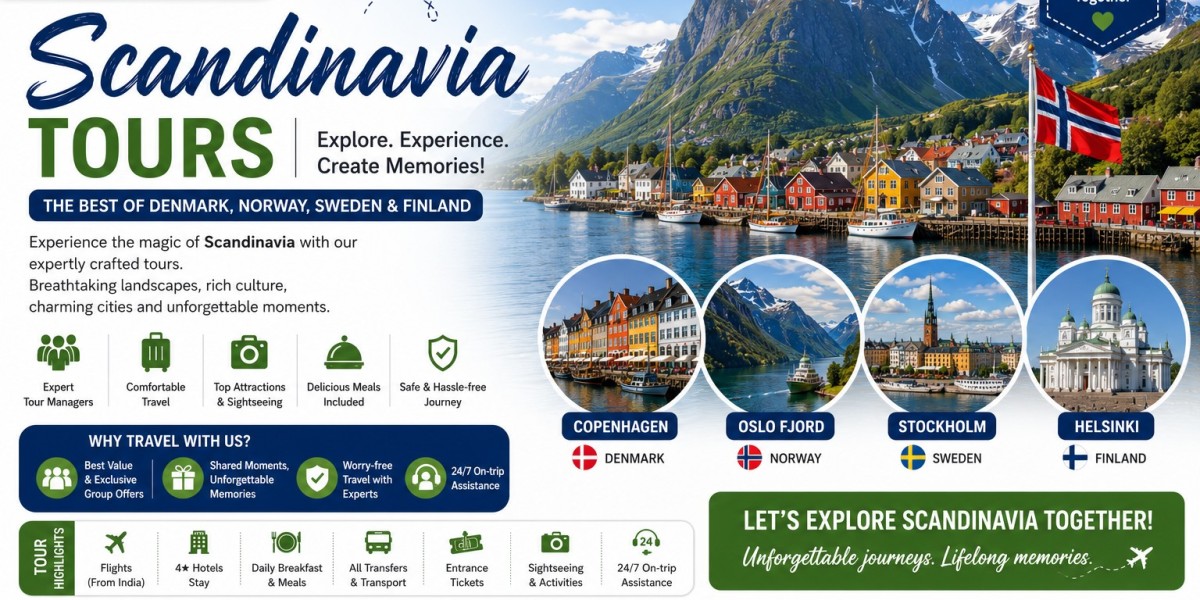
Scandinavia is a captivating region of Northern Europe, known for its historic cities, breathtaking fjords, peaceful countryside, charming coastal villages, and distinctive Nordic traditions. From Norway's dramatic mountain landscapes to Sweden's elegant capital and Denmark's colourful waterfront streets, the region offers a wonderful combination of natural beauty and cultural experiences. Exploring these destinations through Scandinavia Tours allows travellers to discover different countries, appreciate their individual character, and enjoy memorable experiences across Northern Europe.
For Indian travellers, Scandinavia offers a refreshing holiday experience with a mix of sightseeing, scenic journeys, history, architecture, and outdoor activities. Visitors can explore centuries-old castles, walk through lively city centres, cruise along spectacular fjords, and learn about the traditions that continue to shape Nordic life.
Whether you are interested in cultural attractions, natural landscapes, photography, or relaxed city exploration, Scandinavia has plenty to offer. Understanding the region's main destinations and experiences can help you plan a rewarding journey.
What Makes Scandinavia a Special Travel Destination?
Scandinavia is generally associated with Norway, Sweden, and Denmark. Each country has its own identity, but they share several cultural connections, including a strong relationship with nature, historic maritime traditions, distinctive architecture, and a reputation for well-organised cities.
Norway is particularly famous for its fjords, mountains, waterfalls, and coastal scenery. Sweden combines modern urban experiences with royal heritage, forests, lakes, and historic towns. Denmark is known for its colourful harbours, castles, design traditions, and welcoming atmosphere.
Travelling across these countries provides an opportunity to experience different landscapes and lifestyles within one holiday. Visitors can move from the lively streets of Copenhagen to Stockholm's waterfront neighbourhoods and then discover Norway's spectacular fjord regions.
The region is also attractive for travellers who appreciate outdoor experiences. Depending on the season, visitors can enjoy scenic cruises, countryside walks, mountain viewpoints, winter activities, and opportunities to experience the Northern Lights in suitable northern locations.
Norway: Discover Dramatic Fjords and Natural Landscapes
<AsyncImage query="Norway Geirangerfjord dramatic fjord mountains waterfalls scenic landscape" aspectRatio="16:9" width="100%"/>
Norway is one of Scandinavia's most celebrated destinations, especially for its extraordinary natural scenery. Its fjords, formed by ancient glaciers, are surrounded by steep mountains, waterfalls, and peaceful villages. The country's combination of coastal beauty and outdoor attractions makes it a highlight of many Nordic itineraries.
Oslo: Norway's Modern Capital
<AsyncImage query="Oslo Norway waterfront Opera House city skyline" aspectRatio="16:9" width="100%"/>
Oslo combines modern architecture, cultural attractions, and beautiful natural surroundings. The city's waterfront is home to the striking Oslo Opera House, where visitors can walk across the roof and enjoy views of the harbour.
Travellers can explore museums, parks, historic buildings, and lively neighbourhoods. The city also offers opportunities to learn about Norwegian history, art, and everyday life.
Bergen: A Gateway to the Fjords
<AsyncImage query="Bergen Norway Bryggen colourful wooden houses harbour mountain backdrop" aspectRatio="16:9" width="100%"/>
Bergen is one of Norway's most charming cities. Its historic Bryggen waterfront, colourful wooden buildings, and surrounding mountains create a memorable setting.
The city is an excellent starting point for exploring nearby fjords. Visitors can enjoy harbour walks, local markets, mountain viewpoints, and scenic excursions through the surrounding countryside.
Geirangerfjord: Experience Norway's Natural Beauty
<AsyncImage query="Geirangerfjord Norway Seven Sisters waterfall cruise panoramic view" aspectRatio="16:9" width="100%"/>
Geirangerfjord is a UNESCO-listed natural landscape known for its deep blue waters, towering cliffs, and spectacular waterfalls. The Seven Sisters waterfall is among its most recognisable sights.
A fjord cruise offers a wonderful perspective of the surrounding mountains and cascading waterfalls. Visitors can also explore scenic viewpoints overlooking the fjord and enjoy the peaceful atmosphere of the region.
Flåm: Scenic Rail Journeys and Mountain Views
<AsyncImage query="Flam Railway Norway scenic train mountain valley waterfall" aspectRatio="16:9" width="100%"/>
Flåm is a picturesque village located beside the Aurlandsfjord. It is particularly famous for the Flåm Railway, a scenic train journey through steep mountain terrain, waterfalls, and beautiful valleys.
The journey offers some of the most impressive railway scenery in Norway. Flåm is also a popular destination for visitors interested in fjord cruises and outdoor exploration.
Sweden: Explore Historic Cities and Nordic Culture
<AsyncImage query="Sweden Stockholm Gamla Stan old town waterfront aerial cityscape" aspectRatio="16:9" width="100%"/>
Sweden offers a fascinating mix of royal heritage, modern design, historic neighbourhoods, and beautiful natural surroundings. Its cities are known for attractive waterfront locations, cultural institutions, and a balance between urban life and nature.
Stockholm: The Beautiful Capital
<AsyncImage query="Stockholm Sweden old town Gamla Stan colourful buildings waterfront" aspectRatio="16:9" width="100%"/>
Stockholm is built across numerous islands connected by bridges and waterways. Its combination of historic architecture and modern attractions makes it one of Northern Europe's most appealing capital cities.
Gamla Stan, the old town, is a highlight for visitors. Its cobbled streets, colourful buildings, historic squares, and charming cafés provide a glimpse into the city's past.
Visitors can also explore the Royal Palace, museums, waterfront promenades, and the famous Vasa Museum, which houses a remarkably preserved seventeenth-century warship.
Gothenburg: A Relaxed Coastal City
<AsyncImage query="Gothenburg Sweden canal historic architecture waterfront city" aspectRatio="16:9" width="100%"/>
Gothenburg is known for its relaxed atmosphere, canals, cultural attractions, and coastal character. Visitors can explore its historic districts, public gardens, shopping streets, and waterfront areas.
The city is also recognised for its food culture and access to the beautiful west coast archipelago. It offers a different perspective on Sweden compared with the capital.
Swedish Lapland: Discover the Arctic Region
<AsyncImage query="Swedish Lapland Abisko snowy mountains aurora borealis winter landscape" aspectRatio="16:9" width="100%"/>
Swedish Lapland offers a very different experience from the country's southern cities. Located in the far north, this region is known for vast wilderness areas, snow-covered landscapes, and distinctive Arctic experiences.
Depending on the season, visitors may enjoy winter activities, explore local Sámi culture, or look for the Northern Lights. Aurora sightings depend on weather, darkness, and solar activity, so they cannot be guaranteed.
Denmark: Discover Historic Streets and Coastal Charm
<AsyncImage query="Copenhagen Denmark Nyhavn colourful harbour houses boats" aspectRatio="16:9" width="100%"/>
Denmark is known for its historic towns, royal landmarks, coastal scenery, and distinctive design traditions. Its capital, Copenhagen, is a popular starting point for discovering Danish culture and architecture.
Copenhagen: A City of Colourful Harbours and Royal Heritage
<AsyncImage query="Copenhagen Denmark Nyhavn waterfront colourful buildings canal" aspectRatio="16:9" width="100%"/>
Copenhagen combines historic landmarks with contemporary city life. Nyhavn, with its colourful waterfront buildings and boats, is among the city's most recognisable locations.
Visitors can explore Amalienborg Palace, the home of the Danish royal family, and see the famous Little Mermaid statue near the waterfront. The city's pedestrian streets, cafés, gardens, and cycling culture add to its welcoming atmosphere.
Rosenborg Castle: Discover Danish Royal History
<AsyncImage query="Rosenborg Castle Copenhagen Denmark gardens historic architecture" aspectRatio="16:9" width="100%"/>
Rosenborg Castle is an important historic attraction in Copenhagen. Surrounded by beautiful gardens, the Renaissance-style castle provides insight into Denmark's royal history.
Visitors can discover royal collections and historic interiors, making it a worthwhile stop for those interested in European heritage.
Aarhus: Experience Denmark Beyond the Capital
<AsyncImage query="Aarhus Denmark old town Den Gamle By colourful historic houses" aspectRatio="16:9" width="100%"/>
Aarhus is Denmark's second-largest city and offers an interesting combination of history, culture, and contemporary architecture. Den Gamle By, an open-air museum, recreates Danish urban life across different historical periods.
The city also features museums, waterfront areas, and attractive neighbourhoods, providing another way to experience Danish culture.
Must-Experience Highlights on a Scandinavia Holiday
A Scandinavian journey is not only about visiting famous cities. The region offers several experiences that make a holiday especially memorable.
Fjord cruises in Norway: Exploring Norway's fjords by boat provides close views of dramatic cliffs, waterfalls, mountain slopes, and peaceful villages. Popular areas include Geirangerfjord and the waterways around Flåm.
Historic old towns: Gamla Stan in Stockholm, Bryggen in Bergen, and the streets around Nyhavn in Copenhagen showcase the region's architectural and cultural heritage.
Scenic railway journeys: Norway's railway routes, particularly the Flåm Railway, offer memorable views of valleys, mountains, and waterfalls.
Nordic food and traditions: Visitors can discover regional dishes, local markets, cafés, and traditional customs. Food experiences vary across the three countries, reflecting their individual histories and local ingredients.
Northern Lights experiences: Northern Norway and the Arctic regions of Sweden are popular places to look for the aurora borealis during suitable seasons. Clear skies and favourable solar conditions are important, and sightings are never guaranteed.
Understanding Nordic Traditions and Lifestyle
Scandinavia is known for its close relationship with nature, community values, and distinctive cultural traditions. Understanding these elements adds depth to a holiday beyond the usual sightseeing attractions.
In Sweden, the tradition of fika represents taking a break to enjoy coffee and something sweet, often with friends or colleagues. It reflects the importance of slowing down and enjoying everyday moments.
Denmark is associated with hygge, a concept connected with comfort, warmth, and enjoying simple experiences. Visitors may notice this atmosphere in cosy cafés, welcoming interiors, and relaxed social settings.
Norwegian culture has a strong connection with outdoor life. The idea of friluftsliv celebrates spending time in nature, whether through walking, hiking, skiing, or simply enjoying the outdoors.
These traditions offer visitors a glimpse into how people across the region connect with their surroundings and communities.
Best Time to Visit Scandinavia
The best time to visit Scandinavia depends on the kind of holiday you want to experience.
Summer, from June to August, is popular for city sightseeing, fjord cruises, outdoor activities, and long daylight hours. Northern parts of the region experience the midnight sun during part of this period.
Autumn, from September to November, brings changing colours and a quieter atmosphere in many destinations. It can be a good season for visitors interested in cultural sightseeing and seasonal scenery.
Winter, from December to February, transforms parts of Scandinavia into snowy landscapes. Travellers can experience Christmas markets, winter activities, and opportunities to look for the Northern Lights in suitable northern destinations.
Spring, from March to May, brings longer daylight hours and changing landscapes as the weather gradually becomes milder.
Each season offers a different perspective, so travellers should select their dates according to their preferred experiences and the destinations included in the itinerary.
Tips for Planning a Scandinavia Holiday
A multi-country journey requires careful planning to make the most of the available time. Consider the following points before selecting your itinerary.
Choose destinations according to your interests: Travellers who enjoy natural landscapes may prefer more time in Norway, while those interested in historic cities and cultural attractions may want to explore Stockholm and Copenhagen in greater detail.
Check travel connections: Scandinavia offers trains, ferries, flights, and road connections between major destinations. Review the transport arrangements and travel time included in your itinerary.
Pack according to the season: Weather conditions can differ considerably between coastal cities, mountain regions, and northern destinations. Layered clothing, comfortable walking shoes, and weather-appropriate outerwear are useful.
Allow enough sightseeing time: Avoid choosing an itinerary that includes too many destinations without sufficient time to explore them. A balanced schedule can make the journey more enjoyable.
Review entry requirements: Indian travellers should check the latest visa requirements for the countries included in their trip, passport validity, travel insurance, and other entry conditions before departure.
Conclusion
Scandinavia brings together some of Northern Europe's most memorable travel experiences. From Norway's dramatic fjords and scenic railway journeys to Sweden's historic capital and Denmark's colourful waterfront streets, the region offers an impressive variety of destinations.
Exploring Scandinavia Tours provides an opportunity to experience historic cities, natural wonders, and Nordic traditions in one journey. Whether you prefer cultural sightseeing, peaceful landscapes, or seasonal adventures, careful itinerary planning can help you discover the region at a comfortable pace.
Anubhav Vacations helps travellers explore international destinations through thoughtfully planned holiday experiences. With the right combination of destinations, travel connections, and sightseeing, a Scandinavian holiday can become a memorable journey through the beauty and culture of Northern Europe.
Frequently Asked Questions
1. Which countries are generally included in Scandinavia Tours?
Scandinavia generally includes Norway, Sweden, and Denmark. Some travel itineraries also combine these countries with Finland or Iceland, although these destinations are technically part of the wider Nordic region.
2. What are the most popular places to visit in Scandinavia?
Popular destinations include Oslo, Bergen, Geirangerfjord, and Flåm in Norway; Stockholm and Gothenburg in Sweden; and Copenhagen and Aarhus in Denmark.
3. How many days are required to explore Scandinavia?
The ideal duration depends on the number of countries and destinations included. A multi-country holiday generally requires enough time for city sightseeing, scenic journeys, and travel between destinations.
4. Can travellers see the Northern Lights in Scandinavia?
Yes. Northern Norway and Swedish Lapland are popular locations for Northern Lights experiences. The best opportunities are generally during darker months, but sightings depend on weather and solar activity and cannot be guaranteed.
5. What is the best season for a Scandinavia holiday?
Summer is popular for fjord cruises, city sightseeing, and outdoor activities. Winter is ideal for snowy landscapes and seasonal experiences, while spring and autumn offer changing scenery and different travel atmospheres.