
Valve Manufacturing Services play an important role in the development of industrial flow control equipment. Behind every finished component, there is a series of decisions involving material selection, structural design, production planning, assembly, and inspection. These details influence how a product fits into a working environment and how it connects with the wider piping system. For industrial buyers, understanding the production process can make supplier evaluation more practical and help prevent misunderstandings before an order is placed.
The first consideration is often the working environment. Industrial equipment may handle water, oil, gas, chemicals, or other media. Each application creates different requirements for the components used within a pipeline. Temperature, corrosion exposure, operating conditions, and maintenance arrangements can all influence product selection. A component intended for a water treatment facility may have different requirements from one installed in a refinery or marine system. This is why buyers should describe their actual application rather than relying only on a product name.
Material selection deserves particular attention. Different metals have different characteristics, and their suitability depends on the conditions in which they will be used. Cast steel, stainless steel, carbon steel, and other material options may be considered according to the intended application. Buyers should also think about the chemical properties of the medium, environmental exposure, mechanical requirements, and expected maintenance practices. Choosing materials based on real operating conditions helps create a clearer connection between product design and practical use.
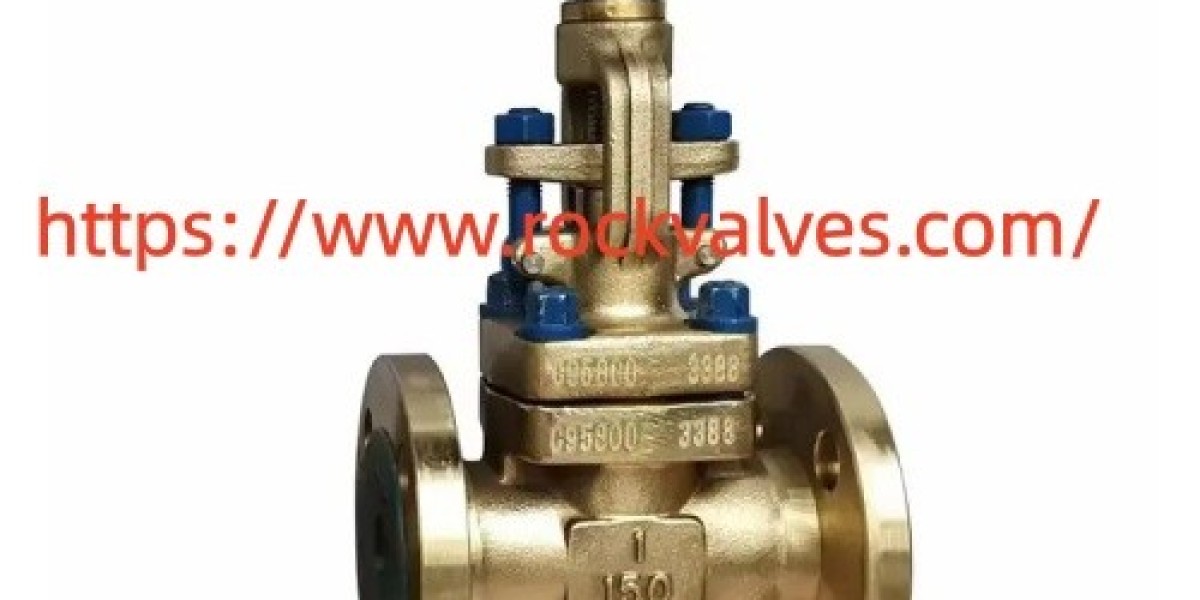
Another important consideration is the structure of the finished equipment. Internal components need to work together as a coordinated system. The body provides structural support, while the disc, stem, seat, and sealing elements each perform specific functions. Their arrangement influences movement, sealing, and interaction with the pipeline. A carefully considered structure can also make installation and routine inspection easier. For projects involving unusual connection arrangements or particular operating requirements, early communication with the factory can help clarify whether adjustments are needed.
Production technology also influences the final result. A typical industrial production process may involve material preparation, casting or forging, machining, component fitting, assembly, surface treatment, and inspection. Each stage has its own purpose. Material preparation establishes the starting conditions, while machining shapes individual parts for proper fitting. Assembly brings the components together, and inspection helps identify issues before products are prepared for delivery. Keeping these activities coordinated makes production easier to manage and supports consistency between different orders.
Quality management should not be treated as a single activity performed after assembly. It begins with the materials entering the production area and continues throughout the working process. Dimensional checks, surface examinations, component identification, and functional inspections can all contribute to product evaluation. Depending on the application and applicable requirements, buyers may also ask about pressure testing, documentation, and inspection records. Clear communication about these procedures helps both parties understand what will be checked and what information will accompany the finished goods.
For purchasing teams, choosing a supplier involves more than comparing catalog descriptions. Production experience, technical communication, product variety, material management, and after sales support are all worth considering. A supplier should be able to discuss the intended application and explain the available product options in understandable terms. Buyers can prepare drawings, installation details, or descriptions of the working medium before making an inquiry. These materials help reduce uncertainty and give the production team a clearer picture of the project.
Industrial equipment design is also influenced by installation and maintenance requirements. Products placed in restricted spaces may need particular attention to their external structure and connection arrangement. Equipment used in systems with frequent operation may require consideration of accessibility and component movement. Surface finishing and external appearance matter as well, especially when equipment is installed in visible areas or exposed to challenging surroundings. Practical design brings together functional requirements and the conditions workers face during installation and maintenance.
The purchasing experience itself can influence cooperation. Clear quotations, understandable product information, timely communication, and organized delivery arrangements help buyers coordinate their projects. When specifications change, both parties need to review the relevant details before production continues. This approach helps reduce confusion between purchasing, engineering, and production teams. It also gives buyers a better understanding of how their requirements are handled at different stages.
Rockv, Zhejiang Rock Valve Co., Ltd., works with industrial customers across oil and gas, refinery, chemical, marine, power, and pipeline applications. Its product range includes gate, globe, check, and other industrial flow control equipment. The company also provides technical consultation, after sales support, and product related assistance. For buyers comparing suppliers, these capabilities offer useful points to discuss when reviewing project requirements, material choices, production arrangements, and inspection expectations.
As industrial projects become more application focused, purchasing decisions benefit from a broader view of product development. Material compatibility, internal structure, production coordination, inspection practices, and installation conditions all deserve attention before an order is confirmed. A productive conversation between buyer and manufacturer can turn general requirements into a clearer purchasing plan. Whether the project involves a replacement component or equipment for a new facility, Rockv welcomes inquiries from customers seeking industrial flow control solutions. Visit https://www.rockvalves.com/ to review the company profile, product range, and available cooperation options.