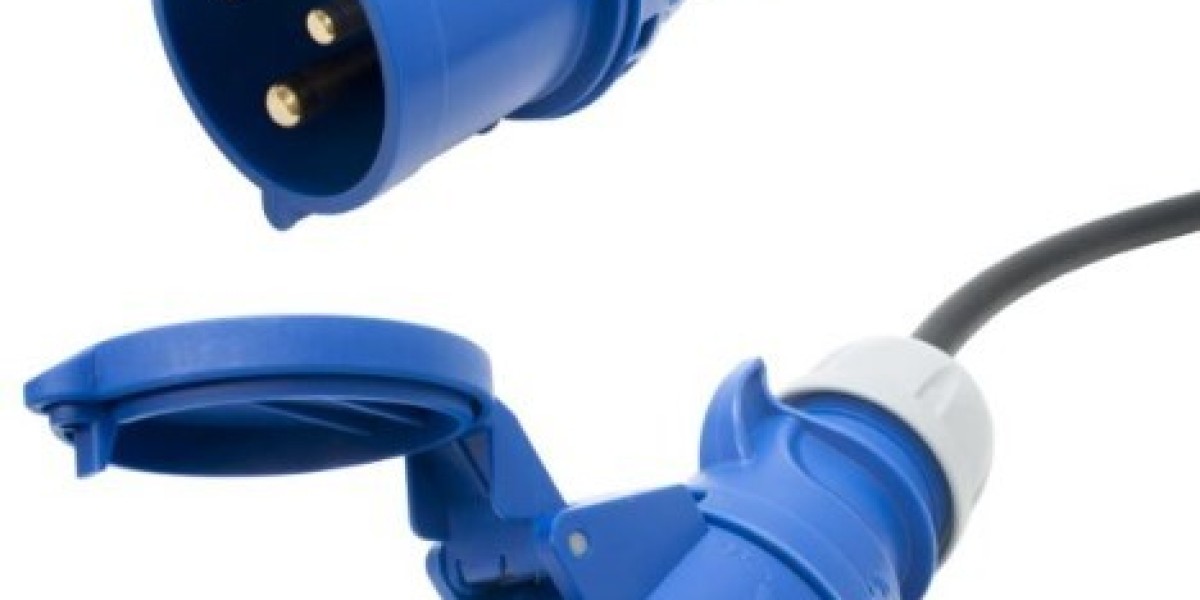

Modern industrial operations depend on electrical connection systems that can support different types of machinery and workplace equipment. From production facilities to maintenance workshops, electrical components must be selected according to the requirements of the connected devices and the conditions in which they operate. In suitable electrical installations, 230V Industrial Plug products provide a dedicated connection between compatible equipment and power distribution points. Understanding their configuration and application requirements helps businesses select connectors that support organized and reliable electrical operations.
Voltage compatibility is an essential starting point when choosing an industrial connector, but it should not be the only factor considered. Buyers need to confirm the equipment's current demand, phase arrangement, grounding requirements, and connector configuration. The number and arrangement of contacts must match the corresponding socket and electrical system. Different industrial applications may require different connection formats, even when the nominal voltage is similar. Checking the equipment documentation and electrical installation details helps prevent incompatible product selection.
Industrial connectors are designed to accommodate the practical demands of commercial and industrial workplaces. Compared with ordinary household connectors, they may feature more robust housings, dedicated contact arrangements, and locking or retention structures suited to specific applications. These design elements help support stable connections during normal equipment operation. The appropriate connector depends on how frequently the equipment is connected, the amount of movement involved, and the mechanical conditions surrounding the installation.
Material selection is another important aspect of connector design. The outer housing is commonly produced from insulating materials selected for their electrical properties and mechanical suitability. Engineering plastics may be used to provide structural support and protect internal components. Internal contacts require suitable conductive materials and reliable contact surfaces to maintain electrical continuity. The complete assembly should be evaluated according to the intended operating environment, including possible exposure to dust, moisture, impact, and temperature changes.
Manufacturing facilities may use 230V electrical equipment for auxiliary machinery, workshop tools, inspection devices, and other operational systems. These applications often involve multiple workstations and different equipment configurations. A suitable connector arrangement can help organize power distribution and simplify the connection of compatible devices. Standardized connector types may also make it easier for maintenance personnel to identify connection points and manage replacement components.
In workshops, equipment may be moved or exchanged as production and maintenance tasks change. Portable tools, service equipment, and testing devices can benefit from connection systems that are appropriate for repeated use. The connector must be selected according to the equipment's electrical requirements and the working environment. Cable condition, socket compatibility, and proper grounding should also be checked. A well-organized installation can reduce reliance on improvised connections and support more consistent maintenance procedures.
Commercial facilities and construction projects may have additional requirements. Electrical equipment used in temporary work areas can be exposed to dust, moisture, physical contact, and repeated handling. In these situations, buyers should review the connector's environmental protection rating and mechanical suitability. A product intended for indoor use should not automatically be used in an outdoor or wet location. The protection level of the socket, cable entry, and complete connection assembly must also be considered.
Proper installation is essential for electrical safety. Connectors should be installed according to manufacturer instructions and applicable electrical regulations. Conductors must be connected securely, grounding arrangements must be correct, and cable entries should be suitable for the cable being used. Qualified electricians should verify the installation before equipment is put into service. Any damaged housing, loose contact, worn locking feature, or sign of overheating should be investigated promptly.
Routine maintenance helps preserve connection quality over time. Industrial facilities should establish inspection practices based on equipment usage and environmental conditions. Maintenance personnel can check for cracks, discoloration, corrosion, loose components, and accumulated dirt. Connectors that show signs of damage should be removed from service until they have been assessed and replaced or repaired appropriately. Cleaning and maintenance procedures should follow the manufacturer's recommendations to avoid damaging protective components.
For purchasing teams, evaluating suppliers involves more than comparing product appearance. Clear technical documentation, consistent product configurations, compatible socket options, and accessible replacement components can all support long-term procurement planning. Distributors and equipment manufacturers may also need to confirm that the available products suit the electrical systems used in their target markets. Reviewing these factors before ordering helps businesses reduce compatibility problems and manage inventory more effectively.
A suitable electrical connector is one that matches the equipment, installation, and operating environment. By reviewing voltage and current requirements alongside contact configuration, grounding, material properties, and protection needs, businesses can make more informed purchasing decisions. To learn more about industrial power connection products and available configurations, visit https://www.socketsfe.com and explore solutions for different electrical installations, including 230V Industrial Plug applications.