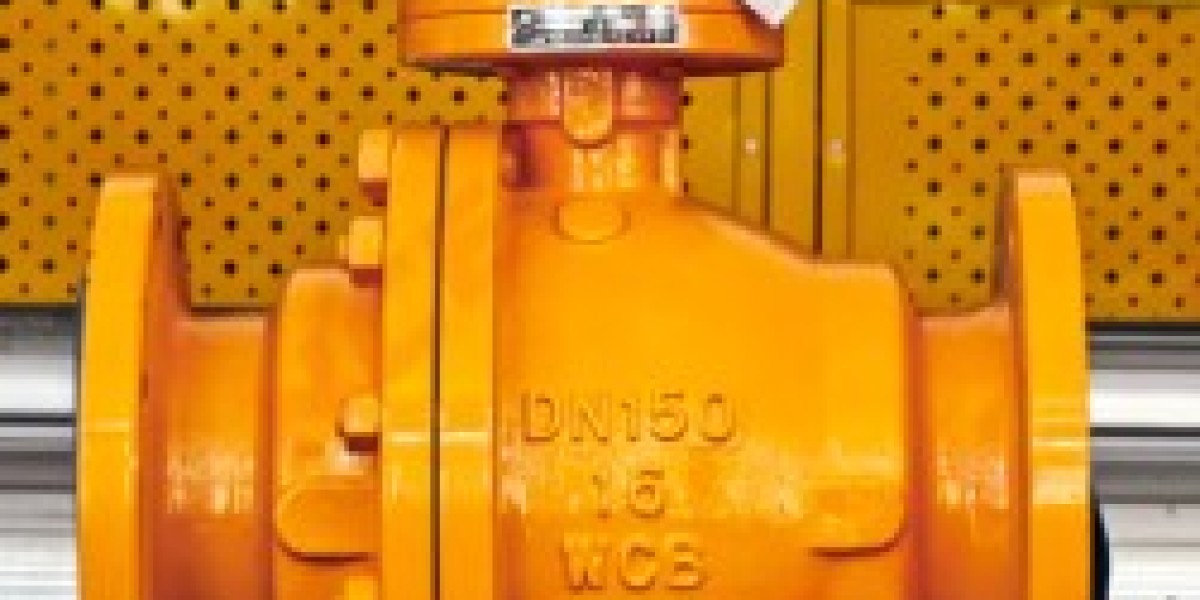

Industrial pipeline operators often need isolation valves that combine dependable shut-off with convenient inspection and maintenance. Top entry ball valves are designed with access to internal components from the upper part of the valve, which can simplify certain maintenance procedures without requiring the entire valve body to be removed from the pipeline. When selecting a Top Mounted Trunnion Mounted Ball Valve Manufacturer, buyers should evaluate the structural design, internal access arrangement, material quality, sealing technology, and manufacturing capabilities.
The top entry structure is one of the defining features of this valve type. Unlike some side-entry designs that require separation of body sections to access internal components, a top entry configuration allows the bonnet or upper cover to be removed for inspection and servicing. Depending on the design, this can provide access to the ball, seats, stem, and related components. The practical maintenance benefits depend on installation clearance, pipeline arrangement, and the manufacturer's specific construction.
Trunnion mounting provides mechanical support for the ball. The ball is held by upper and lower support components, helping manage the forces generated by pipeline pressure. This structure can reduce the load transferred to the seats under certain operating conditions and is often considered for larger valves or applications involving higher differential pressures. The exact support arrangement must be matched to the valve size, pressure rating, and intended service.
The valve body must provide a reliable pressure boundary while allowing access to internal components. Its design requires coordination between the main body, top cover, bolting arrangement, and sealing interfaces. The upper closure must maintain pressure containment during operation and allow controlled access during maintenance. The body and bonnet materials should be suitable for the transported medium and operating environment. Carbon steel, stainless steel, and alloy steel may be considered depending on project requirements.
The ball and seat assembly determines much of the valve's shut-off performance. The ball requires appropriate dimensional accuracy and surface quality to maintain contact with the seats. Seat structures may use soft materials or metal-to-metal sealing arrangements depending on temperature, pressure, medium, and leakage requirements. Soft seats are common in many general industrial services, while metal seats may be considered for certain high-temperature or abrasive applications. The final configuration should be confirmed through technical review.
Stem design is also important because it transfers operating movement to the ball while maintaining the required sealing arrangement. The stem must work with the trunnion support and internal components without creating excessive friction or misalignment. Depending on the valve configuration, anti-static features and other safety-related design elements may be included. Buyers should confirm which features are part of the selected model rather than assuming they are universal.
Material selection should reflect the pipeline's actual service conditions. Carbon steel may be appropriate for many general industrial applications, while stainless steel can be considered where corrosion resistance is important. Alloy materials may be required for particular temperature or mechanical conditions. Internal trim materials should also be reviewed because the ball, seats, stem, and sealing components may experience different operating stresses. Compatibility with the medium is essential to long-term service suitability.
Manufacturing accuracy has a direct influence on assembly and maintenance. Machining must establish the dimensions of the body cavity, ball support areas, seat pockets, stem interfaces, and bonnet sealing surfaces. Inconsistent dimensions can affect ball alignment, seat contact, and closure integrity. During assembly, manufacturers should verify the positioning of internal components and confirm that the valve operates smoothly. The top closure must also be assembled according to the approved procedures.
Inspection and testing help confirm that the finished valve meets its technical requirements. Depending on the design and applicable standards, inspection may include material verification, dimensional checks, visual examination, pressure testing, and functional testing. Buyers should clarify whether additional testing, third-party inspection, or project-specific documentation is required. For top entry designs, maintenance access and the reassembly of the upper closure may also be relevant considerations during product evaluation.
These valves may be used in oil and gas pipelines, petrochemical facilities, power generation, and other industrial process systems. In applications where maintenance access is important, the top entry arrangement may offer practical advantages. However, buyers should consider available space above the pipeline, lifting requirements for internal components, and the procedures needed to remove the bonnet safely. The installation environment can influence whether a top entry configuration is the most suitable choice.
A professional Top Mounted Trunnion Mounted Ball Valve Manufacturer should be able to explain the internal support structure, top access arrangement, material options, and maintenance requirements. Buyers should review technical drawings and confirm operating conditions before finalizing the valve configuration. Clear communication about pressure class, connection dimensions, actuation, inspection, and servicing can help align the product with project requirements. For industrial valve products and configuration information, visit https://www.ncevalve.com/product/