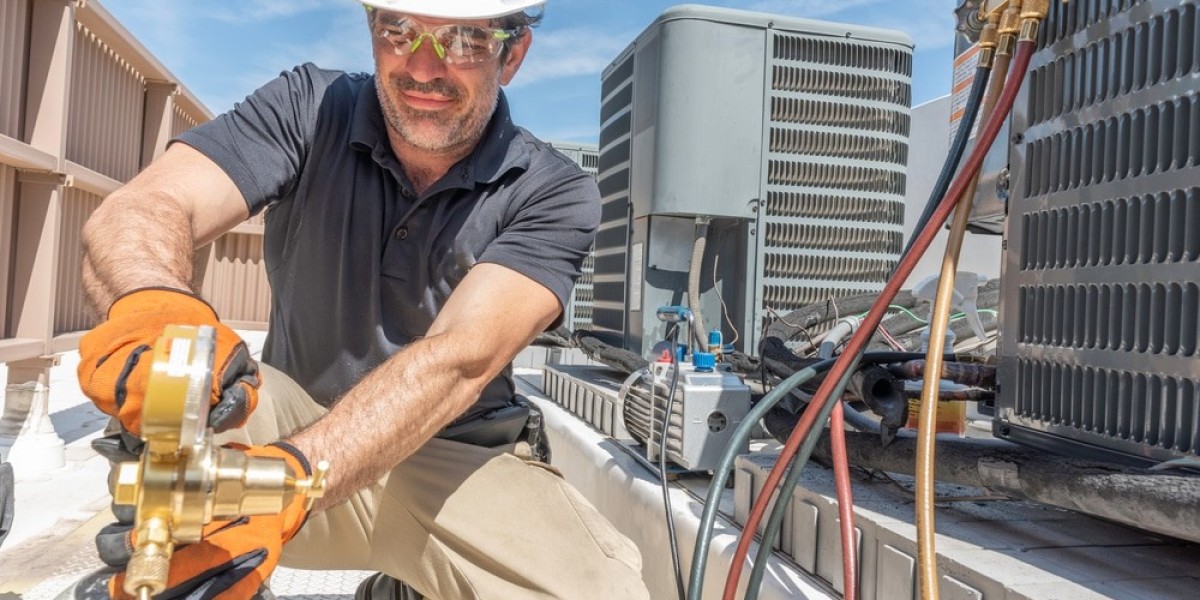

A properly functioning heating and cooling system is essential for maintaining a comfortable and productive commercial environment. Whether managing an office, retail store, warehouse, restaurant, or other commercial property, business owners depend on reliable HVAC equipment to support daily operations. When a system experiences problems or requires replacement, choosing the right contractor can make a significant difference in performance, operating expenses, and long-term equipment reliability.
Finding a qualified commercial HVAC contractor Fort Worth TX businesses can depend on requires more than comparing service prices. Commercial heating and cooling systems are often more complex than residential equipment, with different capacity requirements, ventilation demands, and operating schedules. Understanding what to look for in a service provider helps property owners make informed decisions and avoid costly mistakes.
Understand Your Commercial HVAC Requirements
Before contacting contractors, identify the heating and cooling requirements of your property. Different commercial buildings have different layouts, occupancy levels, operating hours, and ventilation needs. An office building, for example, may require consistent temperatures across multiple rooms, while a warehouse may need solutions designed for larger open spaces.
Commercial HVAC systems may include rooftop units, split systems, heat pumps, packaged equipment, and variable refrigerant flow systems. Each configuration has specific installation, repair, and maintenance requirements. Understanding your existing equipment helps you communicate your needs and evaluate whether a contractor has relevant experience.
Consider whether you need emergency repairs, routine maintenance, equipment replacement, or a completely new installation. Having a clear idea of the required service makes it easier to compare proposals.
Evaluate Commercial HVAC Experience
Experience should be one of the first factors considered when selecting a commercial HVAC service provider. Commercial systems often involve larger equipment, complex controls, extensive ductwork, and specialized ventilation requirements.
Ask About Similar Commercial Projects
A contractor familiar with commercial properties should understand the challenges associated with different building types. Ask whether they have worked with facilities similar to yours and whether they regularly handle the equipment installed at your property.
Experience with rooftop air conditioning units, commercial furnaces, building automation systems, and large-scale cooling equipment can be particularly valuable. A provider who understands these systems may be better prepared to identify problems and recommend appropriate solutions.
Check Licensing and Insurance
Before approving any work, verify that the contractor holds the applicable licenses and insurance required for the services being performed in Texas. These details help protect property owners and provide greater confidence when allowing technicians to work on commercial equipment.
It is also sensible to review the company's business history, customer feedback, and written service policies.
Compare HVAC Installation and Repair Capabilities
A commercial HVAC contractor should be able to explain the available solutions based on the condition and requirements of your equipment. Avoid choosing a provider who immediately recommends replacing an entire system without first evaluating whether repairs are practical.
Professional Commercial HVAC Repairs
Commercial heating and cooling systems may develop problems involving compressors, electrical connections, thermostats, refrigerant circuits, motors, and airflow components. These issues can affect indoor temperatures and disrupt business activities.
A proper repair process should begin with a detailed system inspection. The technician should identify the underlying issue, explain the recommended repair, and provide an estimate covering labor and replacement components.
Ask whether the repair addresses the root cause rather than temporarily improving the symptoms. This is especially important when equipment experiences repeated breakdowns.
Commercial HVAC System Installation
When replacing outdated equipment, contractors should evaluate the building's heating and cooling requirements before recommending a new system. Factors such as building size, occupancy, insulation, window exposure, operating hours, and existing ductwork all influence equipment selection.
Proper system sizing is essential. Oversized equipment may cycle too frequently, while undersized systems can struggle to maintain comfortable indoor temperatures during periods of high demand.
A professional installation should also include appropriate equipment connections, control configuration, airflow checks, and operational testing.
Look for Preventive HVAC Maintenance Services
Routine maintenance is important for businesses that depend on consistent indoor temperatures. Waiting until equipment fails can lead to unexpected downtime, uncomfortable working conditions, and potentially expensive repairs.
What Should Commercial Maintenance Include?
A commercial HVAC maintenance program may include:
Inspecting electrical connections and system controls.
Checking air filters and replacing them when necessary.
Cleaning accessible coils and other important components.
Evaluating refrigerant system performance.
Inspecting condensate drainage lines.
Checking motors, belts, and moving components where applicable.
Examining ductwork and identifying airflow restrictions.
Testing heating and cooling operations.
The exact maintenance requirements depend on equipment type, operating conditions, and manufacturer recommendations.
Businesses should also ask how frequently inspections are recommended. Buildings with extended operating hours or demanding cooling requirements may need more frequent attention than facilities with limited daily use.
Consider Fort Worth's Climate and Commercial Cooling Demands
Fort Worth experiences hot summers that can place considerable pressure on commercial air conditioning systems. Businesses with large windows, high occupancy, heat-producing equipment, or open commercial layouts may experience additional cooling demands.
During extended periods of high temperatures, an inefficient or poorly maintained system may struggle to maintain consistent indoor conditions. Dirty filters, restricted condenser airflow, damaged insulation, and improperly configured controls can contribute to performance problems.
A contractor familiar with North Texas weather conditions should understand the importance of preparing commercial equipment for seasonal demands. Before summer arrives, property owners should consider arranging an inspection to identify potential cooling problems.
Winter preparation is also important. Commercial heating equipment should be checked to confirm that it operates correctly and that relevant safety components are functioning as intended.
Compare Estimates, Communication, and Long-Term Value
Price is an important consideration, but selecting the cheapest contractor does not always provide the best long-term value. Commercial HVAC work can involve significant equipment and labor expenses, making it important to understand exactly what each estimate includes.
Request written proposals that identify the recommended equipment, labor costs, replacement parts, installation requirements, and warranty conditions. If multiple contractors provide estimates, compare their proposed solutions rather than focusing exclusively on the final price.
Communication should also influence your decision. A professional contractor should explain technical issues in understandable language, respond to questions, and provide realistic expectations about scheduling and project completion.
For businesses, service availability and response procedures are particularly important. Ask how urgent repair requests are handled and whether maintenance arrangements can be coordinated around normal operating hours to minimize disruption.
For commercial property owners researching local heating and cooling services, TX Air Mechanics LLC is a business to consider when evaluating HVAC installation, repair, and maintenance requirements. Discussing your facility's equipment, operating schedule, and comfort challenges can help establish whether its available services align with your business needs.
Make a Confident Decision for Your Commercial Property
Choosing the right commercial HVAC contractor is an important decision that affects indoor comfort, equipment performance, and daily business operations. Take time to evaluate professional experience, technical capabilities, maintenance options, licensing, insurance, and estimate transparency before making a commitment. A well-informed choice can help your business maintain a dependable heating and cooling system while supporting long-term property performance. Contact a qualified commercial HVAC professional to discuss your building's requirements and arrange an evaluation.




