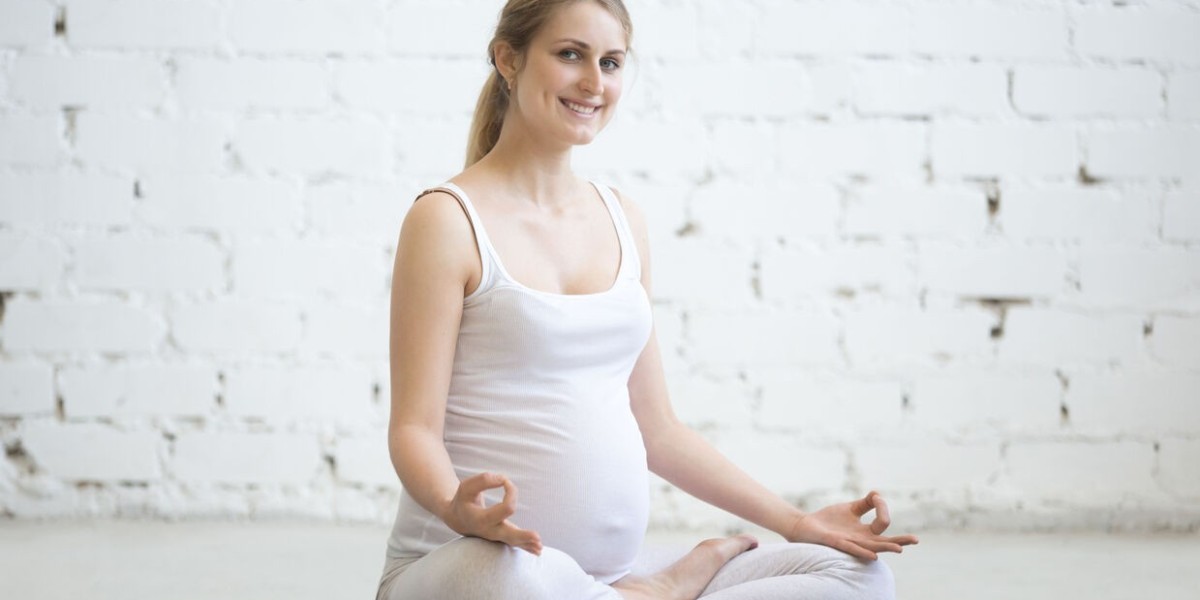

Pregnancy is a special phase of life when a woman's body goes through many physical and emotional changes. Staying active during this time can help support flexibility, relaxation, and overall well-being. Pregnancy yoga, also known as Pregnancy yoga , is one way to maintain gentle physical activity while preparing for the changes that come with motherhood.
However, practising yoga during pregnancy requires care and attention. Some women follow regular yoga routines without making the necessary adjustments for pregnancy. Others may try difficult poses or push themselves too hard. These mistakes can cause discomfort and may increase the risk of injury.
Understanding the common pregnancy yoga mistakes and how to avoid them can help expecting mothers make safer choices and enjoy their practice with greater confidence.
1. Starting Pregnancy Yoga Without Medical Advice
One common mistake is starting pregnancy yoga without checking whether it is suitable for an individual's health and pregnancy. Although gentle prenatal yoga may be beneficial for many women, certain medical conditions or pregnancy complications may require specific restrictions.
How to avoid it:
Consult your healthcare provider before starting pregnancy yoga, especially if you have a high-risk pregnancy or an existing medical condition.
Inform your instructor about your pregnancy stage and any physical discomfort.
Follow personalised medical advice instead of copying exercises from online videos.
Getting professional guidance helps you choose an appropriate routine for your needs.
2. Continuing Regular Yoga Without Modifications
Some women continue their usual yoga practice after becoming pregnant. However, certain poses and movements may need to be modified as the body changes.
Deep twists, intense abdominal exercises, and poses that create pressure on the abdomen may not be appropriate during pregnancy.
How to avoid it:
Choose prenatal yoga classes exercises designed for pregnancy.
Avoid movements that compress the abdomen or cause discomfort.
Use cushions, yoga blocks, and other supports to maintain a comfortable position.
Ask a qualified prenatal yoga instructor for suitable modifications.
Remember that a pregnancy yoga routine should focus on comfort, controlled movement, and relaxation rather than achieving difficult poses.
3. Overstretching the Body
During pregnancy, hormonal changes can increase the flexibility of joints and ligaments. This may make some women feel that they can stretch further than before. However, excessive stretching can put additional strain on joints and muscles.
How to avoid it:
Stretch gently and stay within a comfortable range of movement.
Avoid forcing your body into a position.
Do not bounce or make sudden movements while stretching.
Stop if you experience pain, pulling sensations, or joint discomfort.
The goal of prenatal yoga is not to become more flexible quickly. It is to move comfortably while respecting your body's changing limits.
4. Holding Your Breath During Yoga
Breathing is an important part of yoga. Some women unknowingly hold their breath while maintaining a pose or trying to stretch further. Straining or using forceful breathing techniques may cause discomfort or dizziness.
How to avoid it:
Breathe naturally and steadily throughout your practice.
Avoid prolonged breath-holding or forceful breathing exercises.
Try gentle breathing techniques recommended by a qualified instructor.
Pause and rest if you feel light-headed or uncomfortable.
Relaxed breathing can help you stay focused and make your pregnancy yoga session more comfortable.
5. Practising Difficult Balance Poses Without Support
As pregnancy progresses, your centre of gravity changes. This can affect your balance and make certain standing poses more challenging. Attempting advanced balance poses without support may increase the risk of falling.
How to avoid it:
Practise near a wall or use a stable chair for support.
Avoid advanced balancing poses that feel unstable.
Wear comfortable clothing and practise on a non-slip yoga mat.
Move slowly when changing positions.
Choosing supported poses is a practical way to reduce unnecessary risks while maintaining gentle movement.
6. Lying Flat on Your Back for Too Long
As pregnancy advances, lying flat on your back for extended periods may cause discomfort or affect blood circulation in some women because the uterus can compress major blood vessels.
How to avoid it:
Avoid prolonged flat-on-the-back positions, particularly after around 20 weeks of pregnancy.
Use a side-lying position or an inclined, supported position when appropriate.
Ask your prenatal yoga instructor to suggest comfortable alternatives.
Change position immediately if you experience dizziness, nausea, breathlessness, or discomfort.
Comfort should always be a priority during pregnancy yoga. Do not remain in a position simply because it is part of a routine.
7. Ignoring Hydration and Overheating
Some women focus so much on completing their yoga routine that they forget to drink water or take breaks. Exercising in a hot room or wearing heavy clothing can also increase the risk of overheating.
How to avoid it:
Drink water before and after your session, and take sips during practice as needed.
Choose a cool, well-ventilated room.
Avoid hot yoga during pregnancy.
Wear breathable clothing and rest whenever necessary.
A comfortable environment helps you practise without placing unnecessary strain on your body.
8. Pushing Through Pain or Discomfort
Another common pregnancy yoga mistake is assuming that discomfort is a normal part of exercise. While gentle muscle stretching may feel comfortable, pain, dizziness, or unusual physical symptoms should never be ignored.
How to avoid it:
Stop any pose that causes pain or significant discomfort.
Avoid competing with other participants or trying to match their flexibility.
Take breaks whenever you need them.
Contact your healthcare provider if you are concerned about any symptoms.
Stop exercising and seek prompt medical advice if you experience vaginal bleeding, fluid leakage, chest pain, faintness, severe shortness of breath, painful regular contractions, or calf pain or swelling. Seek urgent care for severe or concerning symptoms.
9. Following Online Videos Without Checking Their Suitability
Online pregnancy yoga classes make it easier to practise at home. However, not every yoga video labelled as beginner-friendly or pregnancy-friendly is suitable for every trimester or medical situation.
How to avoid it:
Select classes led by an instructor with appropriate prenatal yoga training.
Check whether the exercises are suitable for your stage of pregnancy.
Avoid following routines that include intense movements or poses you have been advised not to practise.
Consider guided online pregnancy yoga classes that offer modifications and opportunities to ask questions.
Online classes can be convenient, but they should not replace medical guidance or personalised advice when needed.
10. Forgetting That Every Pregnancy Is Different
A yoga routine that feels comfortable for one woman may not be appropriate for another. Fitness levels, previous yoga experience, pregnancy stage, and individual health conditions all influence which movements are suitable.
How to avoid it:
Choose exercises according to your comfort and healthcare provider's advice.
Modify your routine as your body changes.
Avoid comparing your performance with others.
Prioritise relaxation and gentle movement over intensity.
Listening to your body is one of the most important habits to develop during pregnancy yoga.
Tips for a Safer Pregnancy Yoga Routine
Before starting a prenatal yoga session, keep these simple tips in mind:
Get medical clearance and follow any activity restrictions.
Begin with gentle movements and a comfortable warm-up.
Practise in a cool, well-ventilated space.
Use supports to maintain balance and comfort.
Avoid overheating, painful stretches, and forceful breathing.
Take breaks and drink water as needed.
Choose a qualified prenatal yoga instructor.
Stop and seek medical advice if warning symptoms occur.
Frequently Asked Questions About Pregnancy Yoga
1. Is pregnancy yoga safe for beginners?
Pregnancy yoga may be suitable for many beginners when their healthcare provider confirms that gentle exercise is appropriate. Beginners should start with modified poses and guidance from a qualified prenatal yoga instructor.
2. Which yoga poses should be avoided during pregnancy?
Poses that involve abdominal compression, deep twists, excessive stretching, unstable balancing, or prolonged flat-on-the-back positions may require modification or avoidance. The right approach depends on the pregnancy stage and individual health.
3. Can I practise pregnancy yoga at home?
Yes, many women can practise gentle prenatal yoga at home if their healthcare provider considers it appropriate. Choose a suitable routine, use a safe practice area, and seek qualified instruction when needed.
4. When should I stop pregnancy yoga?
Stop immediately if you experience pain, dizziness, vaginal bleeding, fluid leakage, chest pain, or other concerning symptoms. Seek medical advice promptly, and obtain urgent care for severe symptoms.
5. How can I choose the right pregnancy yoga class?
Look for a class led by an appropriately trained prenatal yoga instructor who understands pregnancy-related modifications, provides safe alternatives, and encourages participants to respect their individual limits.
Conclusion
Yoga for pregnancy women online can be a gentle way to support physical comfort and relaxation during pregnancy when it is appropriate for your health and practised with care. Avoiding common mistakes, choosing modified poses, staying hydrated, and listening to your body can help make each session more comfortable.
Every pregnancy is different, so it is important to follow your healthcare provider's advice and work with a qualified prenatal yoga instructor. With the right guidance, expecting mothers can approach pregnancy yoga with greater confidence and focus on their well-being throughout this important journey.