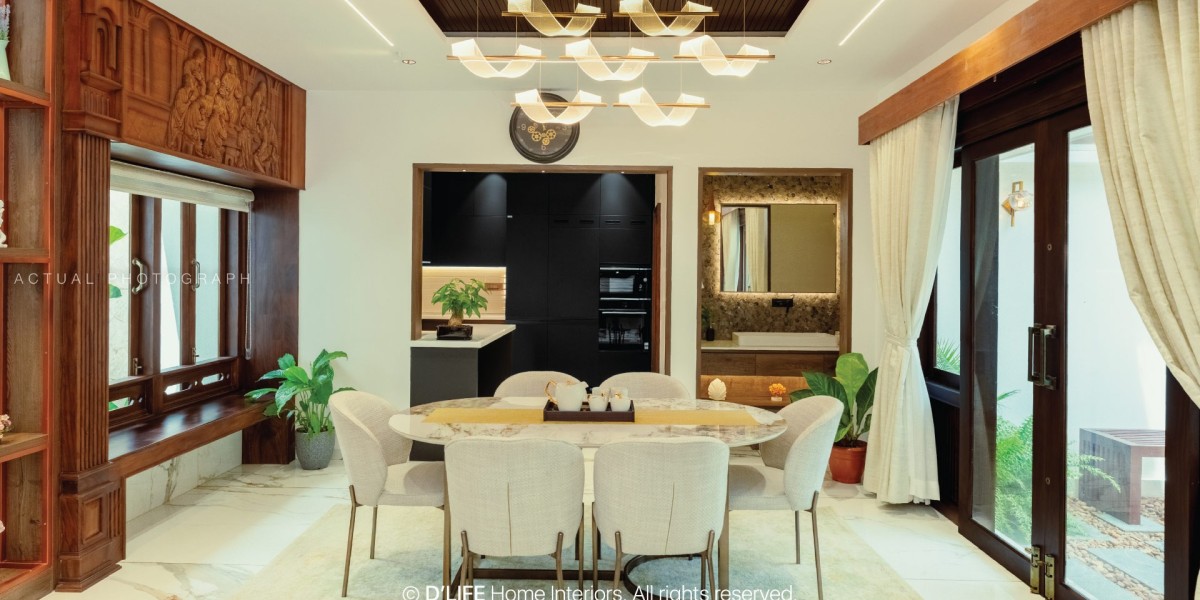

A home is more than a place to live. It is where we unwind after a long day, spend time with loved ones, celebrate special moments, and create lasting memories. While beautiful furniture and stylish finishes can make a home visually appealing, what truly makes a space special is how it feels. A warm and welcoming home offers a sense of comfort, relaxation, and belonging from the moment you step inside.
Creating such an atmosphere does not necessarily require a major renovation or expensive furniture. Thoughtful choices in colours, lighting, textures, furniture arrangement, and decorative elements can transform an ordinary space into a comfortable and inviting home.
Whether you are designing a new home or refreshing your existing interiors, the right interior design techniques used by our professional interior designers in Kottayam can help you achieve a balance between aesthetics and comfort. Here are some practical interior design tips for creating a warm and welcoming home.
1. Choose a Warm and Harmonious Colour Palette
Colour has a significant influence on how a room looks and feels. While cool colours can create a fresh and contemporary appearance, warm and earthy shades often make interiors feel more relaxed and inviting.
Colours such as beige, cream, warm white, terracotta, muted brown, soft peach, and earthy green can help create a welcoming atmosphere. These shades work well across different interior styles, from modern minimalist homes to traditional spaces.
You do not need to use warm colours throughout every room. Instead, establish a balanced palette that combines neutral backgrounds with carefully selected accent colours.
For example, warm white walls can be paired with wooden furniture, beige upholstery, and terracotta cushions. Similarly, muted green accents can introduce a natural element without overwhelming the overall design.
When choosing colours, consider the amount of natural light entering the room. A shade that looks warm and inviting in a sunlit room may appear different in a space with limited daylight.
Design tip: Choose two or three complementary base colours and introduce additional shades through cushions, rugs, artwork, and other accessories. This creates visual harmony while allowing you to update the look over time.
2. Use Layered Lighting to Create Ambiance
Lighting is one of the most effective ways to make a home feel warm and comfortable. A room with harsh, uniform lighting can feel less inviting, even when the furniture and finishes are carefully selected.
Instead of relying on a single ceiling light, combine different types of lighting to create depth and flexibility.
Ambient lighting
Ambient lighting provides general illumination. Ceiling lights, recessed fixtures, and indirect cove lighting are common options.
Task lighting
Task lighting supports specific activities such as reading, cooking, or working. Bedside lamps, desk lights, and under-cabinet kitchen lighting are useful examples.
Accent lighting
Accent lighting highlights selected features, such as artwork, display shelves, textured walls, or decorative objects.
For a warm atmosphere, consider warm-white lighting in living rooms, bedrooms, and dining areas. Dimmable lights can also help you adjust the brightness according to the time of day and the activity.
Natural light is equally important. Sheer curtains, thoughtfully positioned mirrors, and unobstructed windows can help make rooms feel brighter and more open during the day.
The goal is not simply to make a space brighter but to create lighting that supports both its function and its mood.
3. Incorporate Natural Materials and Textures
Natural materials can make interiors feel more grounded, tactile, and welcoming. Wood, stone, linen, cotton, jute, and other textured finishes introduce visual warmth and help prevent a space from feeling overly polished or impersonal.
Wooden furniture, for example, can soften the appearance of a contemporary living room. A textured rug can make a seating area feel more comfortable, while linen curtains can add a relaxed quality to the space.
You can introduce these materials in different ways:
Wooden furniture, shelving, or decorative accents
Cotton or linen cushions and curtains
Textured rugs beneath seating arrangements
Woven baskets for practical storage
Stone or wood-inspired finishes on selected surfaces
Upholstered furniture with soft, tactile fabrics
You do not need to use every material in one room. A few carefully chosen textures can provide enough contrast to make the interior feel more layered and interesting.
For example, pairing a smooth coffee table with a textured rug and soft upholstery can create a balanced combination of finishes.
When selecting materials, consider durability, maintenance, and suitability for your lifestyle alongside their appearance.
4. Select Comfortable and Functional Furniture
A welcoming home should be comfortable to use, not just attractive to look at. Furniture plays a major role in determining how people interact with a space.
In the living room, choose seating that supports relaxation and encourages conversation. Sofas with comfortable cushions, well-positioned armchairs, and practical side tables can make the room more inviting.
In bedrooms, upholstered headboards, comfortable bedding, and conveniently placed bedside tables can improve everyday comfort.
Furniture proportions are equally important. Oversized furniture may make a small room feel crowded, while pieces that are too small can make a large room feel empty.
Measure your space before selecting furniture, and leave enough room for people to move comfortably between different areas.
Consider how each room is used. A family home may benefit from durable upholstery and flexible seating, while a compact apartment may require multifunctional furniture with built-in storage.
A well-designed home combines comfort, functionality, and visual appeal so that every piece of furniture serves a clear purpose.
5. Add Soft Furnishings for Extra Warmth
Soft furnishings are among the simplest ways to make an interior feel more inviting. Cushions, curtains, rugs, throws, and bedding introduce colour, texture, and comfort without requiring significant changes to the room.
A neutral sofa, for instance, can feel more welcoming with a combination of textured cushions and a soft throw. A rug can define a seating area and make the overall arrangement feel more cohesive.
Curtains also influence the atmosphere of a room. Lightweight fabrics can allow daylight to filter through, while heavier curtains can provide privacy and a more substantial visual effect.
When selecting soft furnishings, coordinate their colours and textures with the existing interior rather than matching everything exactly.
Mixing a few complementary patterns and materials can create a more natural, lived-in appearance. However, too many competing colours or patterns may make the space feel visually busy.
For a timeless result, use neutral foundations and introduce seasonal or accent colours through accessories that can be changed easily.
6. Bring Nature Indoors
Plants and natural elements can add freshness and character to a home. Their colours, shapes, and textures create a connection with the outdoors and can soften the appearance of modern interiors.
Indoor plants can be placed on shelves, side tables, window ledges, or selected floor areas. Larger plants may work well in empty corners, while smaller varieties can add interest to desks and countertops.
Choose plants according to the available daylight, humidity, and maintenance requirements. If your home receives limited natural light, select varieties suited to those conditions rather than choosing plants based on appearance alone.
Fresh flowers, dried arrangements, natural wood accessories, and botanical artwork are other ways to introduce natural elements.
The key is to use greenery thoughtfully. A few well-placed plants can create a more balanced interior without cluttering the space.
7. Personalise Your Space With Meaningful Details
A home feels welcoming when it reflects the people who live in it. Personal touches help transform a professionally designed interior into a space that feels familiar and meaningful.
Family photographs, travel souvenirs, favourite books, artwork, handmade objects, and cherished keepsakes can all contribute to a home's character.
Rather than displaying everything at once, select items that have personal significance and arrange them thoughtfully.
A small gallery wall, a curated bookshelf, or a display of meaningful objects can add personality without overwhelming the room.
Personalisation does not mean sacrificing a cohesive design. You can maintain a consistent colour palette and overall style while incorporating objects that reflect your interests and experiences.
These details often become the elements that make a home memorable and distinctly yours.
8. Keep the Layout Open and Clutter-Free
Even a beautifully decorated room can feel uncomfortable if it is overcrowded or difficult to navigate. A clear and practical layout helps create a sense of calm.
Start by identifying the main purpose of each room. Arrange furniture to support that purpose, whether it is relaxing, entertaining, dining, or working.
In the living room, position seating to encourage conversation and maintain comfortable circulation. In the bedroom, keep pathways clear around the bed and wardrobe. In the kitchen, ensure that frequently used work areas remain accessible.
Storage is essential to maintaining an organised home. Built-in wardrobes, closed cabinets, drawer organisers, and multifunctional furniture can help keep everyday belongings out of sight while ensuring they remain accessible.
Avoid filling every available surface with decorative items. Leaving some areas visually uncluttered allows furniture, artwork, and architectural details to stand out.
A clutter-free home does not have to look minimal or impersonal. The goal is to create a balance between the objects you love and the space you need to live comfortably.
9. Create Inviting Corners for Everyday Living
Small, thoughtfully designed areas can make a home feel more personal and functional. These spaces do not require a large amount of room; even an unused corner can become a comfortable retreat.
Consider creating a reading nook with a comfortable chair, a floor lamp, and a small side table. A window-side seating area can provide a peaceful place to enjoy morning coffee. A cosy corner in the bedroom can offer a quiet spot for reading or relaxation.
In larger homes, a small conversation area or a dedicated family activity corner can make underused spaces more purposeful.
When designing these areas, think about comfort, lighting, and accessibility. The best corners are those that naturally fit into your daily routine.
10. Pay Attention to Small Design Details
Sometimes, the smallest details make the biggest difference to how a home feels.
Coordinated hardware, carefully selected artwork, attractive lampshades, neatly arranged shelves, and well-finished edges can contribute to a more polished interior.
Door handles, cabinet pulls, switch plates, and other frequently used elements should complement the overall design while remaining practical.
Scent can also contribute to the atmosphere of a home. Fresh air, clean fabrics, and subtle fragrances can help create a pleasant environment, although strong fragrances may not suit everyone.
Remember that a welcoming home is not created by adding more decorative elements. It comes from choosing details that work together and support the comfort of the people living there.
11. Balance Style With Everyday Practicality
An inviting home should continue to feel comfortable long after the initial design is complete. This means considering durability, cleaning, maintenance, and changing household needs.
Choose upholstery that suits your lifestyle, finishes that are appropriate for the space, and storage that supports your everyday routines.
For homes with children or pets, durable fabrics and easy-to-clean surfaces may be especially useful. In frequently used areas, practical materials can help maintain the appearance of the interiors over time.
It is also worth considering flexibility. Movable furniture, adaptable lighting, and accessories that can be changed easily allow the home to evolve as your preferences and needs change.
A beautiful interior should not make daily life more complicated. The best design decisions combine aesthetics with long-term usability.
12. Maintain Consistency Across Your Home
Each room can have its own character, but a sense of continuity helps the entire home feel connected.
You can create this consistency by repeating selected colours, finishes, materials, or design elements across different spaces.
For example, similar wood tones in the living room and bedrooms can establish a visual connection. Coordinated metal finishes, complementary wall colours, and consistent lighting styles can also create harmony.
This does not mean every room should look identical. Instead, think of each room as part of a larger design story.
A cohesive approach helps the home feel thoughtfully planned, while carefully selected differences allow each space to serve its own purpose.
Creating a warm and welcoming home is about more than choosing attractive furniture or following the latest interior design trends. It involves understanding how colours, lighting, materials, furniture, and personal details work together to influence the way a space feels.
Warm colour palettes can establish a comfortable foundation, layered lighting can create the right atmosphere, and natural textures can add depth and character. Comfortable furniture, practical storage, greenery, and meaningful personal touches make the home more enjoyable to live in every day.
Most importantly, your home should reflect your lifestyle and preferences. There is no single formula for creating a welcoming interior because every household has different needs and ideas of comfort.
By making thoughtful design choices with guidance of reliable interior designers in India can create a home that feels inviting, looks timeless, and supports the everyday moments that matter most. After all, the best interiors are not simply designed to impress visitors—they are designed to make the people who live there feel truly at home.