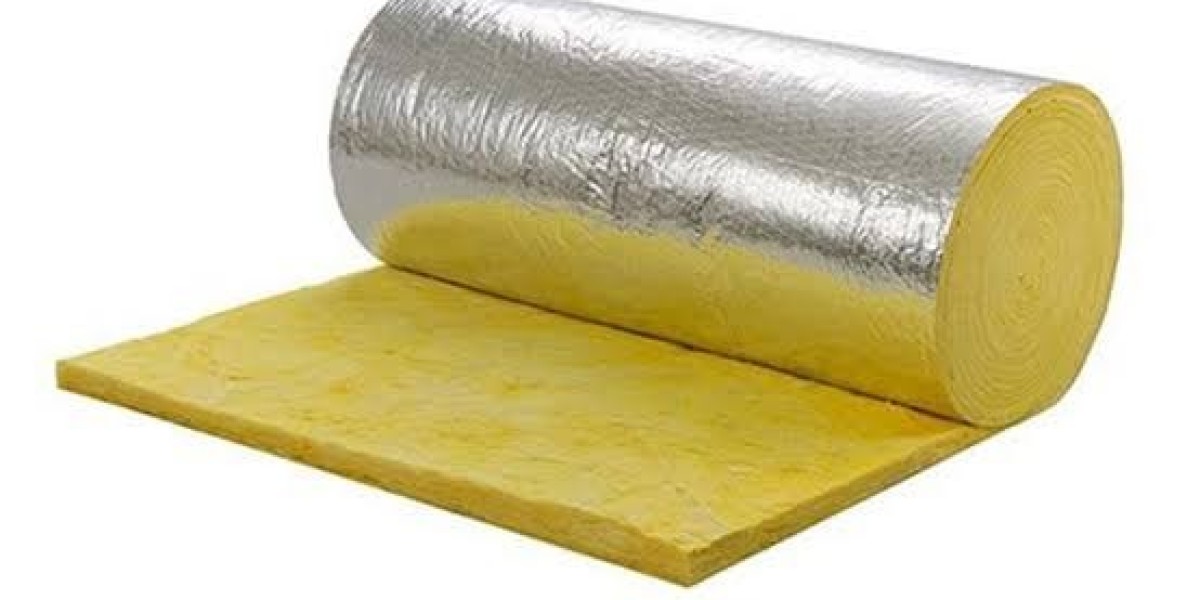

Industries that operate at extremely high temperatures need reliable insulation materials to improve safety, reduce heat loss, and maintain energy efficiency. One material gaining attention in Pakistan's industrial sector is ceramic wool.
Ceramic wool is a lightweight, heat-resistant insulation material designed to withstand high temperatures. It is commonly used in furnaces, boilers, kilns, industrial ovens, and other high-temperature applications.
With growing industrial development in Pakistan, businesses are increasingly looking for insulation solutions that offer durability, thermal protection, and energy savings. Ceramic wool is an excellent option for many of these requirements.
What Is Ceramic Wool?
Ceramic Wool Pakistan, also known as ceramic fiber wool, is a high-temperature insulation material manufactured from alumina-silica-based fibers. These fibers are processed into a soft, lightweight, and flexible material that provides excellent thermal insulation.
Unlike ordinary insulation materials, ceramic wool is specially designed for environments exposed to extreme temperatures.
It is available in different forms, including:
- Ceramic wool blanket
- Ceramic fiber board
- Ceramic fiber paper
- Ceramic fiber modules
- Ceramic fiber bulk wool
Each type serves different industrial requirements depending on temperature exposure, installation methods, and insulation needs.
Why Is Ceramic Wool Important for Industries in Pakistan?
Pakistan has several industries that depend on high-temperature equipment for their daily operations. Steel manufacturing, cement production, ceramics, glass manufacturing, and textile processing are examples of sectors where thermal insulation plays an important role.
Without proper insulation, industrial equipment can lose significant amounts of heat. This can increase fuel consumption, operating costs, and equipment temperature fluctuations.
Ceramic wool helps address these challenges by providing an effective thermal barrier.
Its lightweight structure, flexibility, and heat resistance make it suitable for different industrial environments.
What Are the Main Benefits of Ceramic Wool?
Ceramic wool offers several advantages that make it useful for industrial insulation.
1. Excellent Heat Resistance
One of the biggest advantages of ceramic wool is its ability to withstand very high temperatures. Different grades are available for different operating conditions, making it suitable for furnaces, kilns, and industrial heating systems.
2. Energy Efficiency
Ceramic wool reduces heat transfer through insulated surfaces. This helps industrial equipment maintain its required temperature and can reduce energy consumption when properly designed and installed.
3. Lightweight Material
Ceramic wool is significantly lighter than many traditional refractory insulation materials. Its lightweight construction can reduce the overall weight of insulated equipment.
4. Easy Installation
Ceramic wool blankets and modules are flexible and relatively easy to cut, shape, and install. This makes them suitable for equipment with different dimensions and configurations.
5. Thermal Shock Resistance
Certain ceramic fiber products can tolerate repeated heating and cooling cycles. This property makes them useful in industrial equipment that experiences temperature changes during operation.
Where Is Ceramic Wool Used in Pakistan?
Ceramic wool is used in various industrial applications across Pakistan.
1. Steel Industry: Used for insulating furnaces, heat-treatment equipment, and other high-temperature processing systems.
2. Cement Industry: Helps insulate kilns, ducts, and other equipment exposed to elevated temperatures.
3. Glass Industry: Used in glass-melting furnaces and industrial heating equipment.
4. Ceramic Industry: Provides thermal insulation for pottery kilns, ceramic ovens, and firing equipment.
5. Textile Industry: Used in selected industrial heating systems and thermal processing equipment.
6. Power Plants: Can be applied to suitable high-temperature boilers, ducts, and process equipment.
7. Petrochemical Industry: Used in appropriate high-temperature industrial insulation applications.
What Types of Ceramic Wool Are Available?
Choosing the right ceramic wool depends on the application and installation requirements.
Ceramic Wool Blanket
Ceramic wool blanket is one of the most commonly used forms. It is flexible, lightweight, and available in different thicknesses and temperature grades.
<AsyncImage query="ceramic fiber insulation wool blanket industrial roll" aspectRatio="16:9" width="100%"/>
Ceramic Fiber Board
Ceramic fiber board is a rigid insulation product used where a firm and stable insulation surface is required.
<AsyncImage query="ceramic fiber insulation board industrial" aspectRatio="16:9" width="100%"/>
Ceramic Fiber Paper
Ceramic fiber paper is a thin and flexible insulation material used for gaskets, seals, expansion joints, and specialized insulation applications.
<AsyncImage query="ceramic fiber paper roll insulation" aspectRatio="16:9" width="100%"/>
Ceramic Fiber Modules
These are specially assembled insulation units used to provide efficient lining systems in industrial furnaces and heating equipment.
What Are the 5 Main Differences Between Ceramic Wool and Traditional Insulation?
Understanding the differences between ceramic wool and conventional insulation materials can help businesses make better purchasing decisions.
| Feature | Ceramic Wool | Traditional Insulation |
|---|---|---|
| 1. Temperature resistance | Very high | Usually lower |
| 2. Weight | Lightweight | Varies; often heavier |
| 3. Flexibility | Flexible blanket options | Depends on material |
| 4. Thermal insulation | Excellent at high temperatures | Application-dependent |
| 5. Industrial use | Furnaces and kilns | Buildings and general applications |
The most important difference is temperature suitability. Ceramic wool is designed for demanding high-temperature industrial environments, while conventional insulation products may be unsuitable for such conditions.
How to Choose the Best Ceramic Wool in Pakistan?
Before purchasing ceramic wool, businesses should consider several important factors.
- Temperature rating: Select a grade suitable for the maximum operating temperature and actual service conditions.
- Density: Choose the appropriate density according to insulation requirements.
- Thickness: Consider the required insulation thickness and heat-loss targets.
- Material quality: Check fiber composition, product consistency, and manufacturing quality.
- Application: Determine whether you need a blanket, board, paper, or module.
- Supplier reliability: Purchase from a supplier that can provide technical specifications and product support.
It is also important to consider occupational safety. Ceramic fibers can irritate the skin, eyes, and respiratory system. Appropriate protective clothing, gloves, eye protection, and suitable respiratory protection should be used during installation and handling. Follow the manufacturer's safety data sheet.
Where Can You Buy Ceramic Wool in Pakistan?
If you are searching for ceramic wool in Pakistan, it is important to find a supplier that offers suitable products for your industrial requirements.
Before purchasing, compare product specifications, temperature ratings, thicknesses, densities, and availability.
A reliable supplier should be able to guide you about the correct ceramic fiber product for your furnace, boiler, kiln, or other industrial equipment.
Whether you need ceramic wool blankets, ceramic fiber boards, or ceramic fiber modules, selecting the correct material can help improve insulation performance and support long-term industrial efficiency.
Conclusion
Ceramic wool is an effective high-temperature insulation solution for many industries in Pakistan. Its excellent thermal resistance, lightweight structure, flexibility, and energy-saving potential make it a valuable material for furnaces, kilns, boilers, and industrial heating systems.
By choosing the right ceramic wool grade and working with a reliable supplier, businesses can improve thermal insulation, reduce unnecessary heat loss, and support more efficient industrial operations.
As Pakistan's industrial sector continues to develop, the demand for dependable high-temperature insulation materials is likely to remain important.
Frequently Asked Questions (FAQs)
1. What is ceramic wool used for?
Ceramic wool is used for high-temperature insulation in furnaces, boilers, kilns, industrial ovens, and manufacturing equipment.
2. Is ceramic wool available in Pakistan?
Yes, ceramic wool and different ceramic fiber insulation products are available through industrial insulation suppliers in Pakistan.
3. What is the maximum temperature of ceramic wool?
The maximum temperature depends on its grade and composition. Different products have different classification temperatures and continuous-use limits. Always check the manufacturer's technical data sheet.
4. What is the difference between ceramic wool and glass wool?
Ceramic wool is designed for high-temperature industrial applications, while glass wool is generally used for building insulation and lower-temperature applications.
5. Is ceramic wool suitable for furnaces?
Yes. Ceramic wool blankets, boards, and modules are commonly used for suitable furnace linings and insulation systems.
6. Is ceramic wool waterproof?
Ceramic wool is generally not considered waterproof. Moisture can affect its performance, so it should be protected from water exposure where required.
7. Is ceramic wool safe to handle?
Ceramic fibers can irritate the skin, eyes, and respiratory system. Workers should follow the product safety data sheet and use suitable personal protective equipment during handling and installation.
8. How do I choose the right ceramic wool?
Consider operating temperature, density, thickness, product form, insulation requirements, and manufacturer recommendations before purchasing.