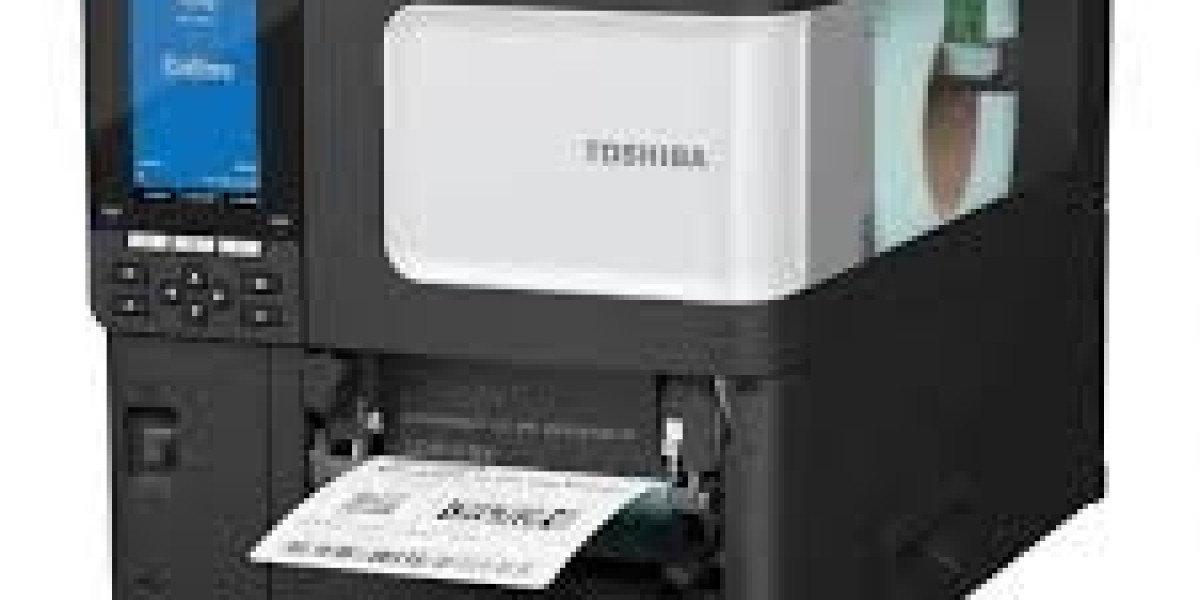

In today's fast-paced business world, accuracy, speed, and efficiency are essential for success. Whether you operate a retail store, supermarket, warehouse, pharmacy, or manufacturing company, managing products and inventory can be challenging. This is where a barcode machine becomes an important business tool.
A barcode machine helps businesses identify products, track inventory, manage sales, and reduce manual errors. Instead of entering product information manually, employees can scan a barcode and instantly access the relevant details.
What Is a Barcode Machine?
A barcode machine is an electronic device used to read, print, or process barcode information. It helps businesses identify products through unique barcode patterns containing numbers, letters, or other encoded data.
Barcode machines generally include barcode scanners and barcode printers.
- Barcode scanner: Reads barcode information and sends the data to a computer or POS system.
- Barcode printer: Creates barcode labels that can be attached to products, packages, and inventory items.
These machines are widely used in retail stores, supermarkets, warehouses, hospitals, logistics companies, and manufacturing industries.
How Does a Barcode Machine Work?
A barcode machine works by reading or creating information represented through barcode patterns.
When a barcode scanner scans a product, it uses light or an imaging sensor to capture the barcode. The device converts the captured pattern into digital information and sends it to a connected computer or software system.
For example, when a cashier scans a product at a supermarket, the system identifies the product, retrieves its price, and adds it to the customer's bill.
The basic working process includes:
- A barcode is printed on a product label.
- The barcode scanner reads the printed pattern.
- The scanner converts the pattern into digital data.
- The information is transferred to a computer or POS system.
- The software displays the relevant product details.
This process saves time and improves accuracy during daily business operations.
What Are the Different Types of Barcode Machines?
Different businesses require different barcode machines depending on their operations.
1. Handheld Barcode Scanner
Handheld barcode scanners are among the most common barcode machines. They are easy to use and suitable for retail shops, supermarkets, pharmacies, and small businesses.
Employees simply point the scanner toward a barcode to capture product information.
2. Wireless Barcode Scanner
Wireless barcode scanners connect through Bluetooth or other wireless technologies. They allow employees to scan products without remaining connected to a computer through a cable.
These devices are especially useful in warehouses and large storage facilities.
3. Barcode Printer
A barcode printer creates barcode labels for products, packages, shelves, and inventory items.
Businesses use barcode printers to generate product identification labels and maintain organized inventory records.
4. Desktop Barcode Scanner
Desktop barcode scanners are commonly used at checkout counters. They provide convenient scanning for businesses that process many products throughout the day.
5. Industrial Barcode Scanner
Industrial barcode scanners are designed for demanding working environments. They are often used in manufacturing plants, distribution centers, and warehouses where reliable scanning is essential.
What Are the Benefits of Using a Barcode Machine?
Barcode machines offer several advantages that help businesses improve productivity and operational performance.
1. Faster Product Identification
Barcode machines allow employees to identify products within seconds. They eliminate the need to search for product details manually, making daily operations faster.
2. Improved Inventory Management
Managing inventory manually can lead to mistakes and missing records. Barcode machines help businesses track incoming and outgoing products, monitor stock levels, and maintain accurate inventory information.
3. Reduced Human Errors
Manual data entry increases the chances of incorrect product codes, prices, and quantities. Barcode scanning reduces these errors by automatically capturing product information.
4. Better Customer Service
In retail environments, customers expect quick and convenient checkout experiences. Barcode scanners help cashiers process transactions faster and reduce waiting times.
5. Increased Business Productivity
Employees can complete scanning, stock checking, and product identification tasks more efficiently. This allows businesses to focus on other important activities.
6. Improved Record Keeping
Barcode systems help businesses maintain digital records of products, sales, and inventory movements. These records make reporting and business analysis easier.
Where Are Barcode Machines Used?
Barcode machines are useful across many industries because they simplify product identification and tracking.
Some common applications include:
- Retail stores: Scanning products, processing payments, and managing stock.
- Supermarkets: Faster checkout and accurate product pricing.
- Warehouses: Tracking incoming goods, outgoing shipments, and inventory.
- Pharmacies: Identifying medicines and organizing product records.
- Hospitals: Tracking medical supplies and patient-related items.
- Manufacturing companies: Monitoring products throughout production.
- Logistics companies: Managing packages, deliveries, and shipments.
- Libraries: Identifying books and managing borrowing records.
Their flexibility makes barcode machines valuable for both small businesses and large organizations.
How Can You Choose the Right Barcode Machine?
Choosing the right barcode machine depends on your business requirements, budget, and working environment.
Consider these important factors before purchasing:
1. Scanning Requirements: Determine whether you need to scan traditional 1D barcodes, 2D barcodes, or QR codes.
2. Connectivity: Check whether the machine supports USB, Bluetooth, or wireless connectivity according to your setup.
3. Scanning Speed: Choose a device that can handle your expected daily scanning volume.
4. Durability: If you work in a warehouse or industrial environment, select a scanner designed for demanding conditions.
5. Software Compatibility: Make sure the barcode machine works with your existing POS, inventory, or business management software.
6. Budget: Compare product features, quality, warranty, and maintenance requirements before making a purchase.
Selecting the right machine can improve business operations and provide long-term value.
Why Is a Barcode Machine Important for Modern Businesses?
Modern businesses need reliable systems to manage increasing product volumes and customer expectations. Manual processes can become time-consuming and difficult to maintain as a company grows.
A barcode machine provides a simple way to automate product identification, improve inventory accuracy, and streamline daily activities.
For small businesses, it helps organize product records and simplify checkout operations. For larger organizations, it supports warehouse management, supply chain tracking, and large-scale inventory control.
Investing in barcode technology is therefore a practical step toward building a more organized and efficient business.
A barcode machine is an essential tool for businesses that want to improve accuracy, save time, and manage products efficiently. From retail stores and supermarkets to warehouses and manufacturing facilities, barcode machines simplify everyday operations.
Whether you need a handheld barcode scanner, wireless scanner, desktop scanner, or barcode printer, selecting the right equipment can make a significant difference in your business performance.
By adopting barcode technology, businesses can reduce manual errors, improve inventory management, provide better customer service, and increase overall productivity.
Frequently Asked Questions (FAQs)
1. What is a barcode machine used for?
A barcode machine is used to read or print barcodes for product identification, inventory tracking, sales processing, and stock management.
2. What are the main types of barcode machines?
The main types include handheld barcode scanners, wireless barcode scanners, desktop scanners, industrial scanners, and barcode printers.
3. How does a barcode scanner work?
A barcode scanner captures the barcode using a light source or imaging sensor, converts the pattern into digital information, and sends the data to a connected computer or software system.
4. Can a barcode machine scan QR codes?
Yes. A 2D barcode scanner can scan QR codes and other supported two-dimensional barcodes. However, traditional 1D scanners generally cannot read QR codes.
5. Is a barcode machine suitable for small businesses?
Yes. Small shops, pharmacies, retail stores, and other businesses can use barcode machines to improve checkout speed and organize inventory records.
6. What is the difference between a barcode scanner and a barcode printer?
A barcode scanner reads existing barcodes and converts them into digital data, while a barcode printer creates barcode labels for products and packages.
7. Do barcode machines require software?
Most barcode scanners need compatible software or a connected system to use the scanned information effectively. Many scanners can also work as keyboard input devices without specialized scanning software.
8. Which barcode machine is best for a retail store?
A handheld or desktop barcode scanner is generally suitable for retail stores. The best option depends on checkout volume, connectivity requirements, barcode types, and budget.
9. Can barcode machines improve inventory management?
Yes. Barcode machines help businesses record stock movements, identify products, monitor inventory levels, and reduce manual data-entry errors.
10. Are wireless barcode scanners better than wired scanners?
Wireless scanners offer greater mobility and flexibility, while wired scanners are often simpler and cost-effective for fixed checkout counters. The right choice depends on business requirements.