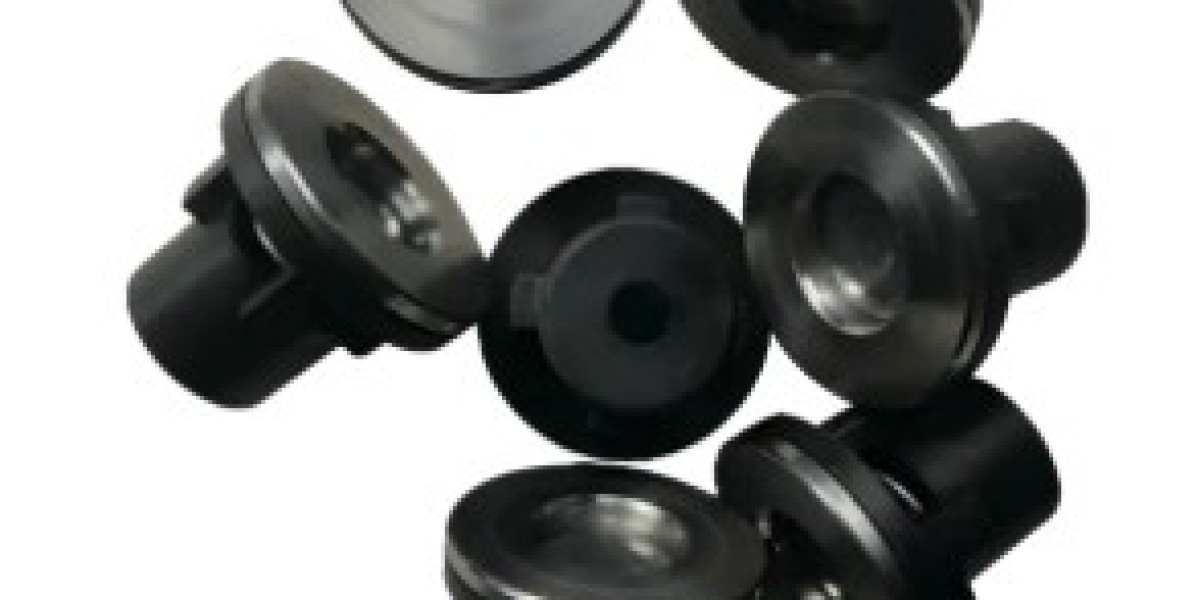

Agricultural pesticide applications require pumping equipment that can transfer chemical formulations reliably while maintaining effective sealing and controlled fluid movement. Different formulations may contain active ingredients, solvents, surfactants, and other additives that interact differently with pump materials. These characteristics make material compatibility and structural design especially important when choosing equipment for chemical handling. A suitable Diaphragm Pump For Pesticides should combine an appropriate pumping mechanism with durable wetted components and consistent manufacturing quality.
The diaphragm pumping principle uses a flexible membrane to create alternating suction and discharge movements. During suction, the diaphragm moves away from the working chamber, allowing liquid to enter through the inlet valve. During discharge, the membrane moves in the opposite direction and pushes liquid through the outlet. Check valves help regulate the direction of fluid movement and maintain the pumping cycle. Because the diaphragm separates the liquid chamber from selected drive components, this structure can reduce direct chemical exposure to certain mechanical parts.
Material compatibility is one of the most important considerations in this application. Different pesticide formulations can have different effects on elastomers, plastics, metals, and sealing compounds. The diaphragm must maintain flexibility and structural integrity under repeated movement, while seals must retain their ability to prevent leakage. Housing materials also need to withstand mechanical loads and the surrounding operating environment. Selecting materials according to the actual formulation helps reduce the risk of swelling, cracking, corrosion, or premature component deterioration.
Compatibility should be evaluated across the complete wetted path rather than focusing only on the pump housing. Diaphragms, valve components, seals, connection interfaces, and internal passages may all come into contact with the conveyed liquid. Temperature, concentration, exposure duration, and cleaning agents can influence material performance. Equipment manufacturers and buyers should review compatibility information provided by both the chemical producer and pump supplier before finalizing a pump configuration.
Internal hydraulic design contributes to reliable fluid transfer. The pumping chamber must support consistent diaphragm movement, while inlet and outlet passages should allow liquid to move without unnecessary restrictions. Valve seats need accurate geometry to support effective sealing and reduce reverse flow. The diaphragm must operate repeatedly without excessive deformation or uneven mechanical loading. These design characteristics depend on engineering calculations, component quality, and manufacturing accuracy.
Manufacturing processes help ensure that the finished pump meets its intended design requirements. Molding technology supports consistent diaphragm production, while machining processes help maintain accurate dimensions on metal components and connection surfaces. During assembly, correct positioning of valves, seals, and housing sections is essential. Quality control may include material inspection, dimensional verification, leakage checks, and functional testing. These measures help identify manufacturing defects before the pump is integrated into agricultural spraying equipment.
The complete spraying system must also be considered during selection. The pump works with the chemical tank, suction hose, filter, pressure regulator, discharge lines, and spray nozzles. Filters help prevent contaminants from entering the pumping chamber, but accumulated particles can restrict liquid supply. Hose materials and fittings must be suitable for the intended formulation. Correct installation and secure connections help reduce air leakage, vibration, and avoidable operating problems.
Maintenance procedures should reflect the chemical characteristics of the liquids being handled. Operators should regularly inspect hoses, clamps, filters, seals, and visible pump surfaces for leakage or deterioration. Unusual noise, reduced delivery, or inconsistent spraying may indicate a blocked passage, worn valve, or damaged diaphragm. After use, the system should be cleaned according to the chemical label and pump manufacturer's instructions. Cleaning agents must also be compatible with the pump materials, and residual chemicals should be handled according to applicable safety and disposal requirements.
For agricultural machinery manufacturers, chemical distributors, and sprayer equipment suppliers, choosing a suitable Diaphragm Pump For Pesticides involves evaluating chemical compatibility, sealing performance, operating conditions, and long-term maintenance requirements. Clear material information and accessible replacement components can simplify equipment support and help reduce downtime. SHUANG DIN Co Ltd. provides agricultural diaphragm pump solutions for chemical fluid handling applications, with further company information available at https://www.agriculturaldiaphragmpump.com/about/.




