
In the realm of mechanical traction and physical enhancement routines, hanging remains one of the primary methods used to target structural tissue growth and ligament tension. However, the success and safety of any hanging routine depend heavily on one critical component: the attachment device.
Historically, mechanical clamp hangers were the standard. Today, vacuum-assisted hanging systems have largely superseded traditional designs. Understanding the physiological differences between these two attachment methods is key to choosing the right setup for long-term consistency and comfort.
Understanding the Mechanics: Compression vs. Negative Pressure
Both methods aim to transfer weight safely from an external load to the internal ligament structure, but they achieve grip in fundamentally different ways:
1. Mechanical Compression Clamps
Compression devices use physical clamping pressure (screws, straps, or padded bars) applied directly behind the corona.
How it works: Friction and tight mechanical force keep the weight from slipping off.
The Limitation: Because the force is focused on a narrow ring of tissue, compression hangers often cause pinch points, restricted blood flow, cold glans, and early session fatigue.
2. Vacuum-Assisted Chamber Systems
Vacuum hangers utilize negative air pressure inside an ergonomically shaped bell or cup.
How it works: Air is evacuated from the chamber, drawing the tissue comfortably against a protective silicone sleeve or cap. The vacuum distributes the pull evenly across the entire surface area of the glans rather than compressing a single spot.
The Advantage: Eliminates localized pinching, maintains skin warmth, and allows for significantly longer, more comfortable sessions under proper tension.
Key Factors for a Successful Vacuum Hanging Setup
While vacuum systems offer superior comfort, proper technique and high-quality equipment are necessary to avoid skin irritation or fluid retention (edema):
Use Proper Glans Protection: Always apply a dedicated silicone glans cap or protective barrier before entering the vacuum chamber. This prevents direct skin contact with vacuum suction and mitigates blister risks.
Precision Bell Fit: The vacuum cup must match your physical dimensions. A cup that is too small creates high-pressure spots, while a cup that is too large allows excessive skin expansion.
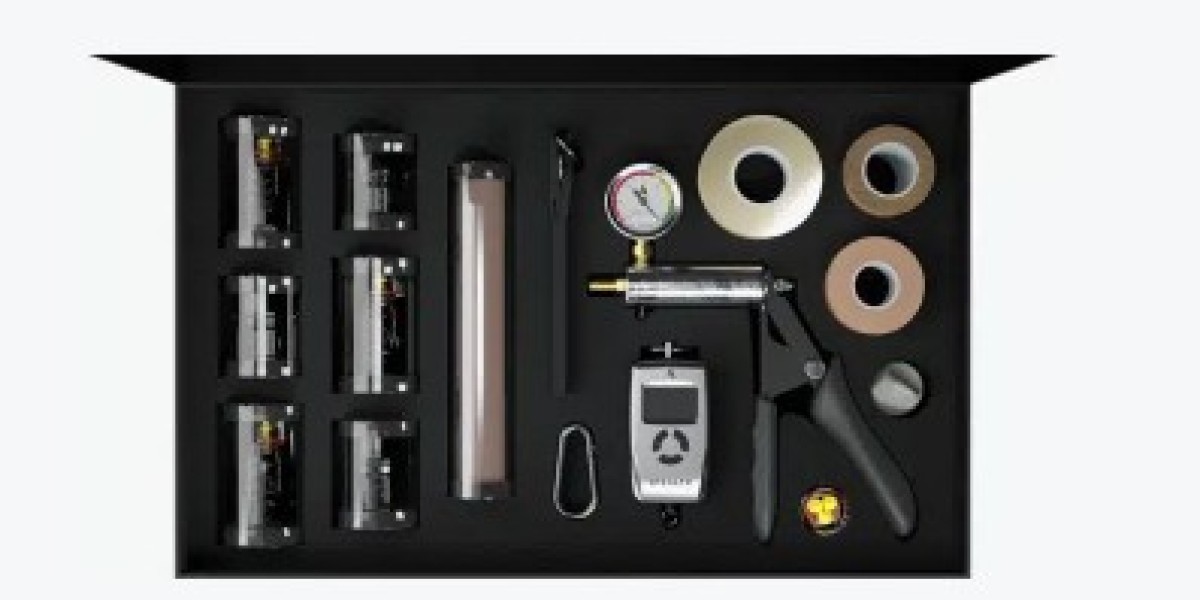
Ergonomic Gear Selection: Use a purpose-built system like the stealth vac hanger for anatomical bell contouring, reliable seal retainers, and medical-grade silicone components engineered for load distribution.
Gradual Weight Progression: Never jump straight to heavy loads. Master the seal and comfort at 2 to 3 lbs before adding weight in small, incremental steps over a multi-month timeline.
The Verdict
For individuals seeking consistency, longer session times, and minimized tissue discomfort, vacuum attachment is widely considered the superior engineering solution. By eliminating harsh clamping friction and replacing it with balanced air pressure, vacuum hanging provides a safer, far more manageable framework for progressive overload.




