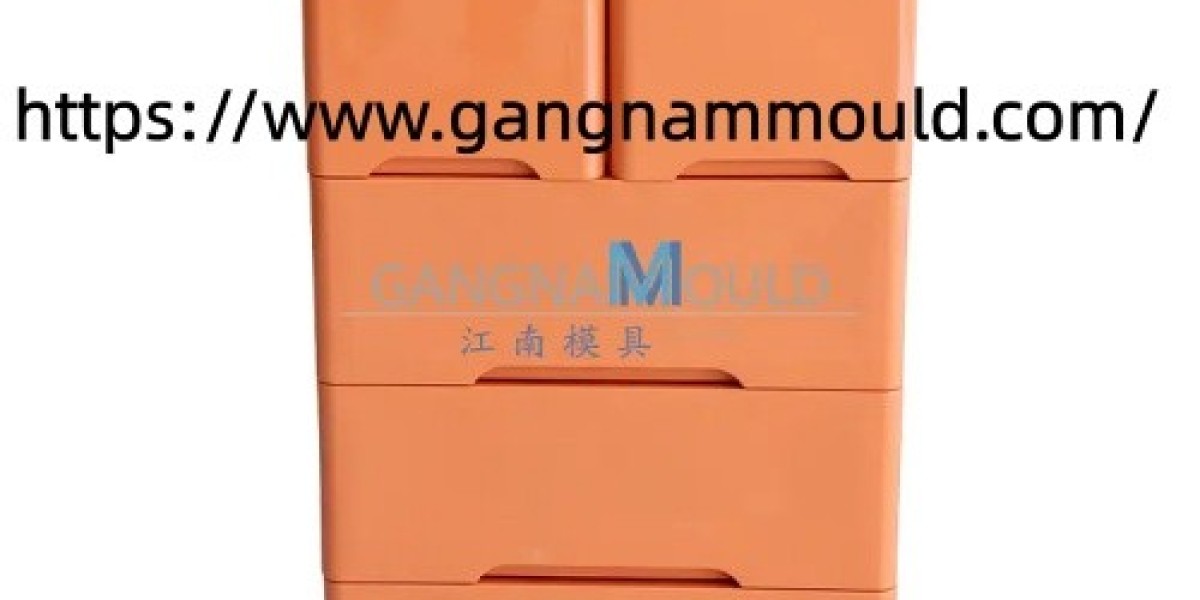

Storage Cabinet Mold development is closely connected to the way people organize their homes, workplaces, and everyday belongings. As living spaces serve more purposes, furniture is expected to provide convenient storage while fitting naturally into different interior styles. Behind a functional storage product are decisions involving material selection, structural design, accessibility, appearance, and manufacturing preparation. These details influence how an initial concept becomes a practical product for residential and commercial environments.
Home organization has become an important subject in interior design. People want their surroundings to feel comfortable and orderly without making rooms look crowded. In smaller apartments, furniture often needs to support several activities within a limited space. In family homes, different rooms may require separate solutions for clothing, household supplies, cleaning products, and personal belongings. These changing habits create opportunities for manufacturers to develop products for different storage applications.
Material selection is an important starting point. Plastic materials offer various possibilities for shaping, coloring, and surface treatment. Depending on the intended application, manufacturers may consider rigidity, flexibility, impact behavior, moisture exposure, and cleaning requirements. A product designed for a bathroom may have different material considerations from one intended for a bedroom or office. Evaluating the actual environment helps developers make more appropriate decisions.
Another important consideration is the relationship between internal organization and external appearance. Consumers may prefer furniture that keeps everyday belongings accessible while maintaining a clean visual impression. Shelves, compartments, drawers, and integrated openings can influence how people interact with a product. Their arrangement should reflect the objects intended for storage rather than simply adding decorative complexity.
Space efficiency is also receiving attention in contemporary furniture design. Compact homes encourage creative approaches to vertical storage, corner arrangements, and multifunctional furniture. A cabinet may be designed to fit into an unused area or coordinate with other household furnishings. Manufacturers should consider how the proposed structure relates to surrounding furniture, available space, and everyday movement within a room.
Surface design contributes to the overall identity of a product. Smooth finishes can create a simple contemporary appearance, while subtle textures may introduce visual variation. Color choices also influence how furniture fits into different environments. Neutral shades may complement minimalist interiors, while contrasting colors can add character to children's rooms, creative workspaces, or retail settings. These visual decisions should be considered alongside practical requirements.
Manufacturing technology plays an important role in turning design concepts into workable products. Three dimensional modeling allows engineers to examine structural relationships, compartment arrangements, connection areas, and surface transitions before production preparation. Digital models also make communication easier between customers and manufacturing teams. When a customer requests a design adjustment, the proposed changes can be reviewed visually before moving forward.
Engineering considerations should also include material flow, cooling arrangements, wall transitions, and part removal. Internal structures can create different manufacturing challenges from external decorative surfaces. A design with multiple compartments or integrated features may need additional technical evaluation. Reviewing these details early helps the development team identify potential issues and consider suitable adjustments.
Another subject worth considering is ease of assembly and maintenance. Consumers may prefer products that are straightforward to install, clean, and use. Connection arrangements should support the intended structure, while accessible surfaces can make routine care more convenient. For commercial applications, maintenance requirements may be particularly important because furniture can experience frequent handling and cleaning.
Customization provides additional opportunities for businesses serving different markets. Residential customers may look for coordinated furniture that complements their interior decoration. Offices may require organized spaces for documents and supplies, while retail environments may need products that combine storage with product presentation. Manufacturers can discuss different compartment arrangements, external shapes, colors, and material preferences according to the intended application.
Sustainability is another consideration in contemporary furniture development. Businesses are paying attention to material efficiency, manufacturing waste, product longevity, and recycling possibilities. These subjects can influence material selection and production planning. However, environmental claims should be based on actual material information and manufacturing practices. A clear evaluation helps businesses understand which options are appropriate for their projects.
Choosing a manufacturing partner requires attention to communication as well as production capability. Customers may need assistance with technical drawings, design revisions, material discussions, sample evaluation, and production coordination. Providing reference photographs and describing the intended application can help establish a shared understanding. Sample reviews also offer an opportunity to assess appearance, structural details, assembly relationships, and practical suitability.
Gangnam works with businesses seeking manufacturing solutions for customized plastic products. By connecting customer concepts with engineering discussions and production preparation, the company supports projects with different design requirements. Clear communication about materials, structural arrangements, and intended applications helps establish a practical direction for product development.
As lifestyles and interior preferences continue to change, storage furniture will remain an important part of residential and commercial planning. Functional compartment arrangements, coordinated finishes, thoughtful material selection, and flexible design approaches provide opportunities for new product concepts. Businesses planning customized furniture projects can visit Gangnam at https://www.gangnammould.com/product/ to review its manufacturing solutions and discuss design ideas, material preferences, and project requirements with the team. Connecting everyday organization needs with practical engineering decisions can help transform a product concept into a solution suited to its intended environment.