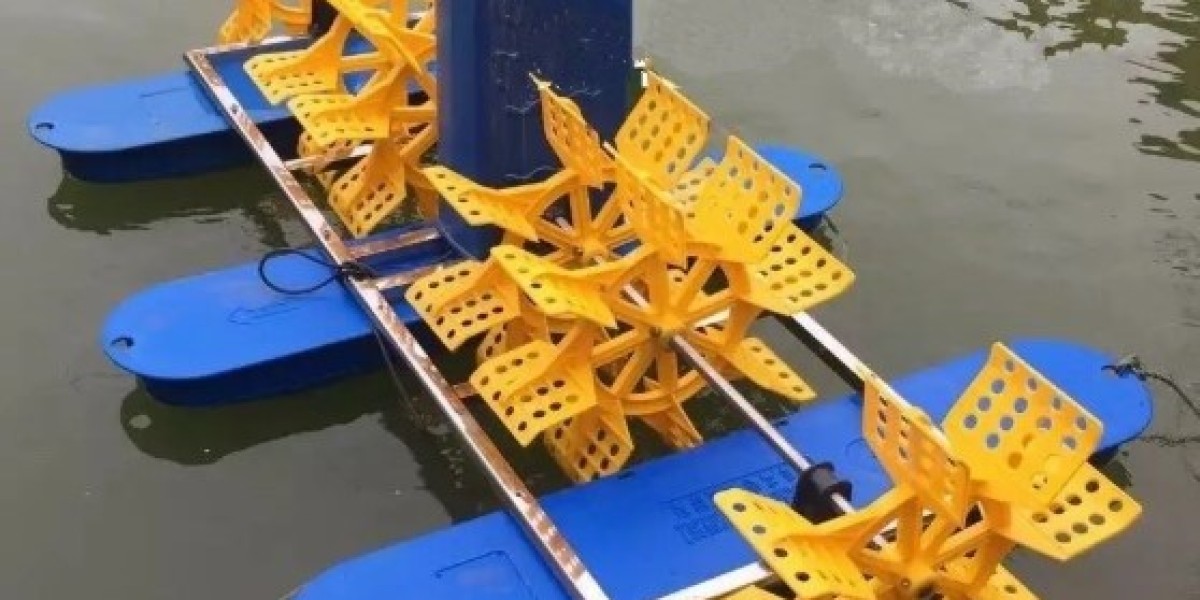

Managing an aquaculture facility involves balancing water quality, equipment performance, and changing production requirements. As farming operations become more specialized, adjustable machinery offers additional possibilities for improving daily management. A Frequency Conversion Aerator allows operators to consider different motor speeds according to pond conditions and operational needs. By incorporating a Frequency Conversion Aerator into an appropriate aeration arrangement, fish farms can explore more flexible equipment control, coordinate water movement with production activities, and develop operating schedules suited to their individual facilities.
Flexible Aeration for Different Production Stages
Fish and shrimp farming operations experience changing requirements throughout the production cycle. Pond conditions may vary with animal size, stocking density, feeding frequency, and environmental temperature.
A conventional aeration arrangement generally operates according to its fixed equipment configuration. Frequency-controlled equipment introduces another option by allowing compatible motors to operate at different speeds within an approved range.
For example, operators may select an appropriate operating setting according to the expected workload during different production stages. This provides greater flexibility when organizing aeration schedules across several ponds.
However, speed adjustment should always consider the actual oxygen demand and water conditions. Regular observation of dissolved oxygen levels remains important when determining suitable operating arrangements.
How Motor Speed Influences Water Movement
The motor is an essential part of an aerator because it supplies the mechanical power required for water movement. In frequency-controlled systems, an electronic controller adjusts the electrical supply frequency to influence motor rotational speed.
Changes in rotational speed can affect the movement generated by connected impellers or other aeration mechanisms. Depending on the machine structure, operators may use different settings to adjust circulation intensity.
The relationship between motor speed and aeration performance is influenced by several factors, including impeller dimensions, mechanical resistance, water depth, and equipment design.
Therefore, selecting operating settings requires more than simply increasing or reducing frequency. Buyers should understand the rated specifications and recommended adjustment range to maintain appropriate mechanical conditions.
ChinaAerator Equipment for Customized Aquaculture Projects
When exploring products from ChinaAerator, buyers should consider how the aerator configuration matches the requirements of their individual projects.
Different facilities may have different expectations regarding motor capacity, control methods, installation dimensions, and daily operating schedules. A commercial fish farm with several production ponds may require a different equipment arrangement from a small independent aquaculture operation.
Project planning should begin with basic information about the farming environment. Pond dimensions, water depth, electrical supply, stocking arrangements, and expected operating hours can all help determine suitable equipment specifications.
For international distributors, understanding these application details also makes it easier to recommend appropriate products to customers in different markets. Clear technical communication before purchasing can reduce configuration misunderstandings and simplify equipment preparation.
Integrating Aerators Into Automated Farm Management
Modern aquaculture facilities increasingly use monitoring equipment to observe water conditions and coordinate daily operations. Frequency-controlled aerators can become part of a broader equipment management arrangement when compatible control systems are available.
For example, operators may combine aeration schedules with dissolved oxygen monitoring. When oxygen readings change, farm personnel can evaluate whether adjustments to equipment operation are necessary.
More advanced installations may use centralized controllers to manage several aerators from a common operating interface. This can make equipment coordination more convenient, particularly across facilities with multiple ponds.
Nevertheless, automatic adjustment requires appropriate sensors, controller compatibility, electrical protection, and carefully established operating limits. Equipment integration should be planned according to the actual technical capabilities of the selected system rather than assuming every aerator supports automatic control.
Purchasing Considerations and Routine Equipment Care
Before selecting a frequency-controlled aerator, purchasers should examine motor ratings, controller specifications, permitted frequency ranges, mechanical structure, and installation requirements.
It is also useful to ask about maintenance procedures, replacement components, electrical protection, and technical documentation. These details help operators understand the responsibilities associated with using adjustable machinery.
During regular operation, inspections should cover motor temperature, controller ventilation, electrical connections, mounting structures, and rotating components. Unusual vibration or unexpected changes in operating noise should receive attention.
Keeping a record of operating settings and maintenance activities can also help farm managers evaluate equipment conditions over time. For distributors, these records provide useful information when supporting customers with product selection and after-sales communication.
A suitable aeration system should match the actual needs of the farming facility rather than rely on unnecessary features. Whether you are planning a new aquaculture installation, upgrading existing pond machinery, or sourcing equipment for distribution, understanding motor control and application requirements can help make purchasing decisions more practical. Visit https://www.chinaaerator.net/ to explore aeration products and discuss suitable configurations for different aquaculture projects.