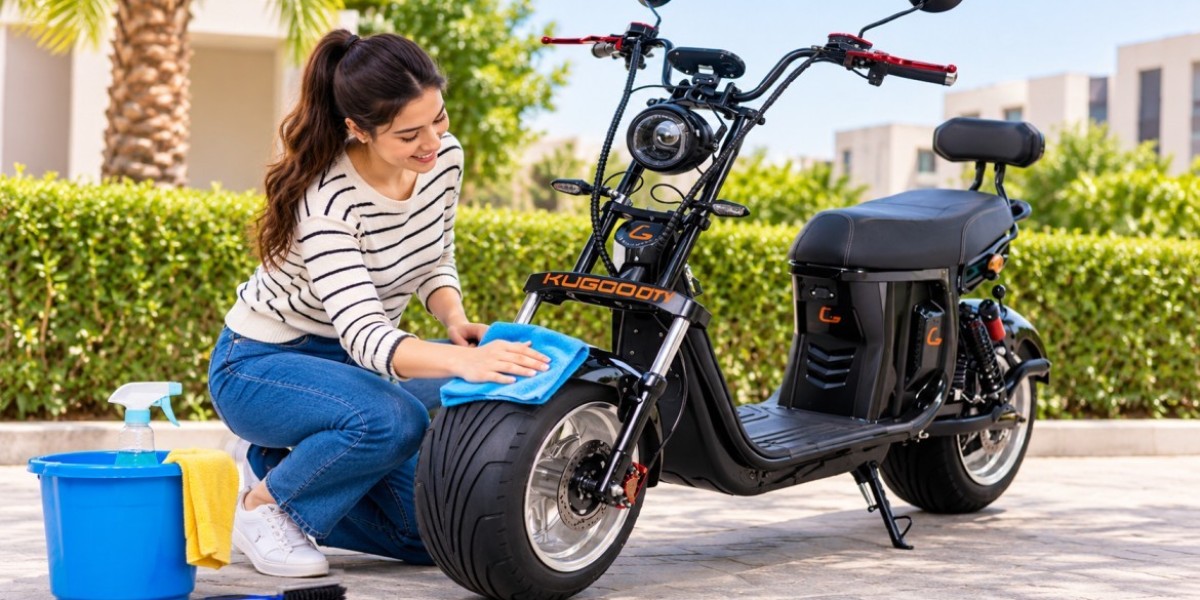

Harley Scooter Cleaning: 8 Practical Care Tips
Regular cleaning is an important part of keeping a harley scooter in good condition. Dust, dirt, sand, and water stains can collect on different parts during everyday use. If they are not cleaned properly, they may affect the scooter's appearance and damage some surfaces over time. The good news is that cleaning does not require expensive products or special skills. With a few simple tools and the right method, you can keep your scooter looking neat and ready for your next ride.
1. Gather the Right Cleaning Supplies
Before starting, collect everything you need. Using the correct cleaning items can make the job easier and help prevent scratches.
Here are some useful supplies:
A soft microfiber cloth.
A bucket of clean water.
Mild soap or a scooter-safe cleaning solution.
A soft cleaning brush.
A separate brush for tyres and wheels.
A dry towel.
A small sponge for hard-to-reach areas.
Avoid rough brushes, strong detergents, and household chemicals. They can damage paint, plastic, rubber, or other scooter surfaces.
It is also better to use separate cloths for the body and wheels. This prevents mud and small stones from scratching the painted parts.
2. Turn Off the Scooter Before Cleaning
Safety should always come first. Before cleaning, switch off the scooter and remove the key if it has one. Make sure the motor and other parts have cooled down.
If your model has a removable battery, follow the manufacturer's instructions before removing or disconnecting it. Never handle electrical connections with wet hands.
You should also:
Park the scooter on a stable, flat surface.
Keep the charger disconnected.
Make sure the scooter cannot move while cleaning.
Avoid cleaning immediately after a long ride.
These simple steps help make the cleaning process safer.
3. Clean the Scooter Body Gently
The body is usually the most visible part, so regular cleaning helps maintain its appearance. Dust and mud can make the surface look dull, especially after riding on busy or sandy roads.
Follow these steps:
First, remove loose dust with a soft, dry microfiber cloth.
Mix a small amount of mild soap with clean water.
Dip a soft cloth into the mixture.
Gently wipe the body without applying too much pressure.
Use another cloth with clean water to remove soap.
Dry the surface with a clean towel.
Do not rub dry dirt aggressively because small particles can leave scratches. For stubborn marks, use a little water and allow the dirt to soften before wiping.
4. Pay Attention to Tyres and Wheels
Tyres and wheels collect plenty of dirt during regular use. Sand, mud, and small stones can become stuck around the wheels and make them look untidy.
Use a separate soft brush to clean these areas. Start by removing loose dirt and then use a damp cloth to wipe the remaining marks.
Remember these points:
Clean both front and rear wheels.
Remove visible stones or dirt carefully.
Check the tyre surface for cuts or cracks.
Look for unusual wear or damage.
Dry the wheels after cleaning.
Avoid applying polish, oil, or slippery cleaning products to tyre surfaces. These products can reduce grip and make riding unsafe.
5. Clean the Handlebar and Controls
The handlebar is one of the most frequently touched parts of a scooter. Dust, fingerprints, and sweat can collect around the grips and controls.
To clean this area:
Use a slightly damp microfiber cloth.
Gently wipe the handlebar and rubber grips.
Clean around buttons without pressing water into them.
Use a dry cloth to remove moisture.
Check that the brakes and other controls are working properly.
Never pour water directly over the handlebar or electrical buttons. Avoid using too much cleaning liquid around switches and display screens.
6. Take Care of the Seat
The seat can collect dust, sweat, and stains during everyday use. Cleaning it regularly helps maintain its appearance and comfort.
First, identify the seat material. Different materials may require different cleaning methods.
For most standard scooter seats:
Remove loose dust with a soft cloth.
Use a damp cloth with mild soap.
Gently wipe the seat surface.
Remove soap with another clean, damp cloth.
Allow the seat to dry completely.
Avoid using strong chemicals or rough brushes. If the seat has leather or artificial leather covering, use a suitable cleaner recommended for that material.
7. Keep the Battery and Electrical Parts Dry
Electrical components need extra attention during cleaning. Water entering these areas can cause electrical problems or affect scooter performance.
If you own a harley electric scooter, take special care around its battery, charging port, display, and wiring.
Follow these precautions:
Never spray water directly onto the battery.
Keep the charging port covered during cleaning.
Do not use a pressure washer.
Avoid soaking electrical connections.
Never charge the scooter while its charging port is wet.
Allow any accidentally wet areas to dry fully before use.
Always check the manufacturer's cleaning instructions because water-resistance levels can differ between models.
8. Dry the Scooter Properly After Washing
Drying is just as important as washing. Leaving water on the scooter can cause marks, affect metal parts, and allow moisture to collect around small gaps.
Use a clean microfiber towel to dry the body, seat, handlebar, and other accessible surfaces.
Pay extra attention to:
Areas around screws and joints.
Spaces between body panels.
Wheel covers.
The underside of the scooter.
Areas near electrical connections.
After cleaning, leave the scooter in a shaded, well-ventilated place until it is completely dry. Avoid direct sunlight while drying if possible.
9. Create a Simple Cleaning Routine
You do not need to clean your scooter deeply every day. A simple routine can help you manage dirt and prevent a large amount of buildup.
Here is a practical cleaning schedule:
Cleaning task | Suggested frequency |
|---|---|
Wipe body and handlebar | Every few rides |
Clean tyres and wheels | Weekly or when dirty |
Clean the seat | Weekly |
Check battery and charging port | Regularly |
Inspect for scratches and damage | Monthly |
Complete gentle cleaning | When needed |
The frequency can change depending on how often you ride and the road conditions.
Frequently Asked Questions (FAQs)
1. How often should I clean my scooter?
A light cleaning every few rides is usually enough. You can clean it more frequently if you regularly ride through dusty or muddy areas.
2. Can I wash my scooter with a water hose?
Avoid using a strong water stream. Excessive water pressure can push moisture into electrical parts. Use a damp cloth and gentle cleaning methods instead.
3. Which cleaning products are safe for scooters?
Mild soap, clean water, microfiber cloths, and scooter-safe cleaning solutions are generally suitable. Avoid strong chemicals, petrol, and harsh detergents.
4. Can I use a pressure washer to clean my scooter?
No. Pressure washers can force water into the motor, battery connections, charging port, and other sensitive areas. Gentle hand cleaning is a safer option.
5. How do I clean scooter tyres?
Use a separate soft brush and clean water to remove dirt and mud. Avoid applying oil, polish, or slippery products to the tyre surface.
6. What should I do if water enters the charging port?
Do not connect the charger. Follow the manufacturer's instructions and allow the area to dry completely. If you suspect water has entered the electrical system, contact a qualified technician.
7. Can sunlight damage my scooter's appearance?
Long exposure to direct sunlight can gradually affect paint, plastic, rubber, and seat materials. Parking in a shaded area can help protect these surfaces.
8. Should I clean my scooter after riding in the rain?
Yes. Wipe away water, mud, and dirt with a soft cloth. Dry the accessible areas properly and check for moisture around electrical connections before charging.
Conclusion
Keeping a scooter clean is not difficult when you follow the right steps. Regularly wiping the body, cleaning the wheels, caring for the seat, and protecting electrical parts can help maintain its appearance and condition. Avoid harsh chemicals and excessive water, and always follow the manufacturer's cleaning instructions. If you are exploring scooters and other mobility products, ToysUAE offers an online collection to browse. Remember that regular care and gentle cleaning can help keep your scooter ready for everyday use.