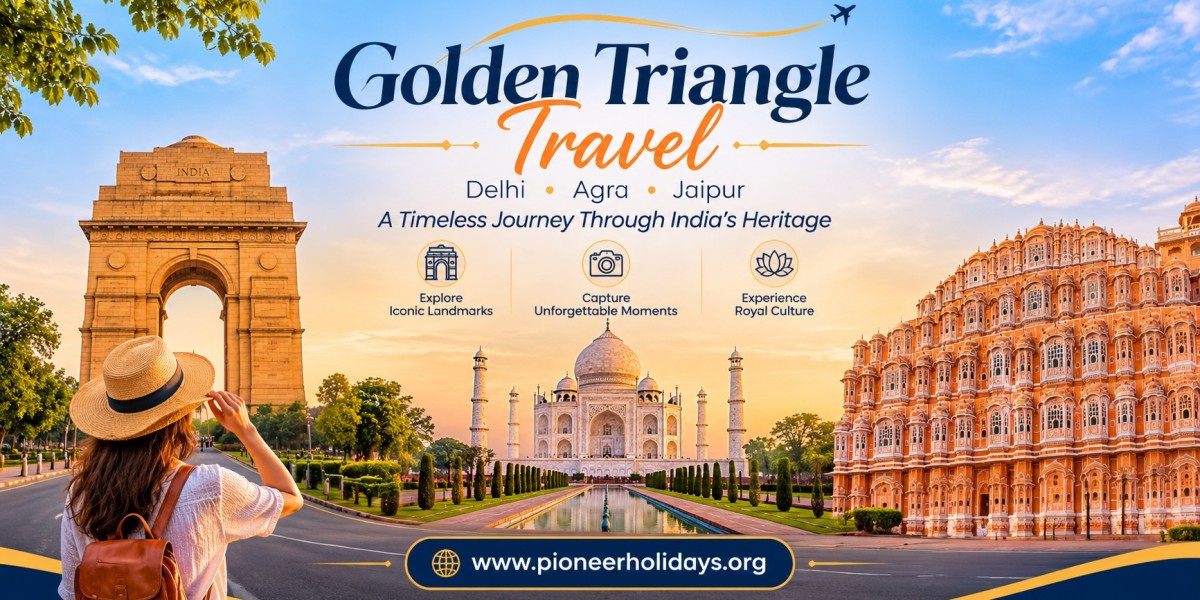

Choosing the right season can make a big difference to your travel experience in India. The Golden Triangle connects Delhi, Agra, and Jaipur, three destinations known for their historic monuments, colourful markets, royal architecture, and diverse food traditions. However, temperatures, rainfall, and sightseeing conditions vary throughout the year. Understanding these seasonal differences helps international visitors plan a more comfortable journey.
The best time for a Golden Triangle Tour India experience is generally from October to March, when the weather is cooler and outdoor sightseeing is easier. Still, every season has its own advantages. Your ideal travel dates will depend on your weather preferences, budget, available time, and the kind of experiences you want.
1. October to March: The Best Season for Comfortable Sightseeing
For most international travellers, October to March is the most suitable period to explore Delhi, Agra, and Jaipur. Daytime temperatures are generally more comfortable than during the summer months, making it easier to visit forts, palaces, gardens, and historic sites.
October and November are particularly pleasant in many years. The monsoon usually begins to retreat, leaving greener surroundings and clearer conditions for exploring the cities. December and January can be colder, especially during early mornings and evenings. Delhi and Agra may also experience fog, which can sometimes affect road and rail journeys.
February and March offer another good opportunity. The weather gradually becomes warmer, but sightseeing is often still comfortable, particularly in the mornings and late afternoons.
Travel tip: Pack light layers if visiting between December and February. A warm jacket or sweater is useful for early starts, especially when travelling between cities.
2. April to June: Summer Travel and Fewer Crowds
Summer in northern India can be challenging, particularly from May to June. Temperatures in Delhi, Agra, and Jaipur can rise significantly, and afternoons may become uncomfortable for outdoor activities.
However, summer travel can still work for visitors who have limited holiday dates or prefer quieter attractions. Some hotels and travel services may offer more competitive rates during periods of lower tourist demand, although prices depend on local events and availability.
If you travel during this season, plan your sightseeing carefully:
Visit outdoor monuments early in the morning.
Schedule indoor attractions and hotel breaks during the hottest hours.
Carry drinking water, sunscreen, sunglasses, and a hat.
Choose air-conditioned transport for journeys between cities.
Avoid long walks in direct afternoon sunlight.
The Taj Mahal, Amber Fort, and other major attractions are much more enjoyable when explored before the strongest daytime heat.
3. July to September: Monsoon Season in the Golden Triangle
The monsoon brings rainfall to the region, although the amount and timing vary from year to year. Rain can make gardens and landscapes greener, while the cooler periods after showers may offer pleasant sightseeing conditions.
There are also a few practical challenges. Heavy rain can affect road journeys, create traffic delays, and make walking around some outdoor monuments less convenient. Humidity can also be high.
For travellers who do not mind occasional showers, the monsoon can be an interesting time to discover the region at a different pace. Tourist numbers may be lower at some attractions compared with the peak winter season.
Travel tip: Keep flexible travel arrangements, carry a compact umbrella or rain jacket, and allow extra time for road transfers. Check local weather conditions before travelling between destinations.
4. How to Choose the Best Month for Your Interests
The right month depends on what matters most to you. Here is a simple seasonal guide:
| Travel period | General conditions | Best suited for |
|---|---|---|
| October–November | Generally pleasant, with some variation | Comfortable sightseeing and photography |
| December–January | Cool to cold; possible morning fog | Winter holidays and cultural exploration |
| February–March | Mild to gradually warm | Monuments, markets, and outdoor activities |
| April–June | Very hot, especially in the afternoons | Travellers with fixed dates and flexible schedules |
| July–September | Rainfall and higher humidity | Greener scenery and a quieter travel experience |
If photography is important, early mornings can provide softer light and fewer visitors at popular monuments. For the Taj Mahal, sunrise visits are especially popular, but fog during winter mornings may sometimes affect visibility.
Also, check attraction opening days before finalising your itinerary. The Taj Mahal, for example, remains closed to visitors on Fridays, so plan your Agra sightseeing accordingly.
5. How Many Days Should You Plan for the Golden Triangle?
Season is only one part of a successful trip. The number of days you choose also affects how comfortably you can explore the three cities.
A two-day itinerary is possible, but it involves a fast pace and limited time at each destination. A three-day trip offers a short introduction, while four or five days allow more time for sightseeing, local experiences, and rest.
Travellers with a more relaxed schedule can consider a 6 Days Golden Triangle Tour. Those with very limited time may compare a 2 Days Golden Triangle Tour, a 3 Days Golden Triangle Tour, or a 4 Days Golden Triangle Tour. A 5 Days Golden Triangle Tour can provide additional flexibility.
You can also extend the route to include other destinations:
Wildlife enthusiasts can add a safari experience through a Golden Triangle Tour with Ranthambore.
Travellers interested in spiritual traditions can explore a Golden Triangle Tour with Varanasi.
Those interested in Sikh heritage can consider a Golden Triangle Tour with Amritsar.
Visitors looking for lakeside scenery and royal heritage can choose a Golden Triangle Tour with Udaipur.
For a broader Rajasthan experience, a Golden Triangle Tour with Jodhpur and Udaipur adds two distinctive historic cities.
Before booking, consider travel distances, sightseeing priorities, and the amount of time you want to spend in each destination.
6. Practical Planning Tips for International Visitors
A little preparation can make the journey smoother, regardless of the season.
Book popular travel dates early: October to March is a busy period, particularly around Christmas, New Year, and major holidays.
Check festival dates: Events such as Diwali and Holi can add cultural interest, but they may also affect hotel demand, transport, and local opening arrangements.
Plan around the weather: Keep outdoor sightseeing for comfortable hours and allow breaks during hot or rainy periods.
Choose suitable transport: Private transfers can make travel between Delhi, Agra, and Jaipur more convenient, particularly when visiting multiple attractions.
Allow some flexibility: Traffic, fog, weather, and unexpected delays can affect journey times.
Respect local customs: Dress appropriately when visiting religious sites and follow photography rules at monuments.
A customised itinerary can help balance sightseeing with rest, especially for families, older travellers, and visitors experiencing India for the first time.
Frequently Asked Questions
1. What is the best month for a Golden Triangle trip?
October, November, February, and March are generally good choices for comfortable sightseeing. December and January are also popular, although mornings can be cold and foggy.
2. Is it possible to visit Delhi, Agra, and Jaipur during summer?
Yes. Summer travel is possible, but temperatures can be very high. Start sightseeing early, stay hydrated, and schedule indoor activities during the afternoon.
3. Is the monsoon a bad time to visit the Golden Triangle?
Not necessarily. Rain can affect road travel and outdoor plans, but the region can look greener and some attractions may be less crowded. Flexible scheduling is important.
Conclusion
The best time to enjoy a Golden Triangle Tour India holiday is usually between October and March, when cooler weather makes exploring Delhi, Agra, and Jaipur more comfortable. However, summer and monsoon travel can also suit visitors with flexible plans and different priorities.
Think about your preferred weather, available holiday time, and sightseeing interests before choosing your dates. With a well-planned route and realistic travel schedule, you can enjoy the region in any season. For travellers looking for private and customised journeys, Pioneer Holidays offers tour options that can be planned around individual interests and travel preferences.