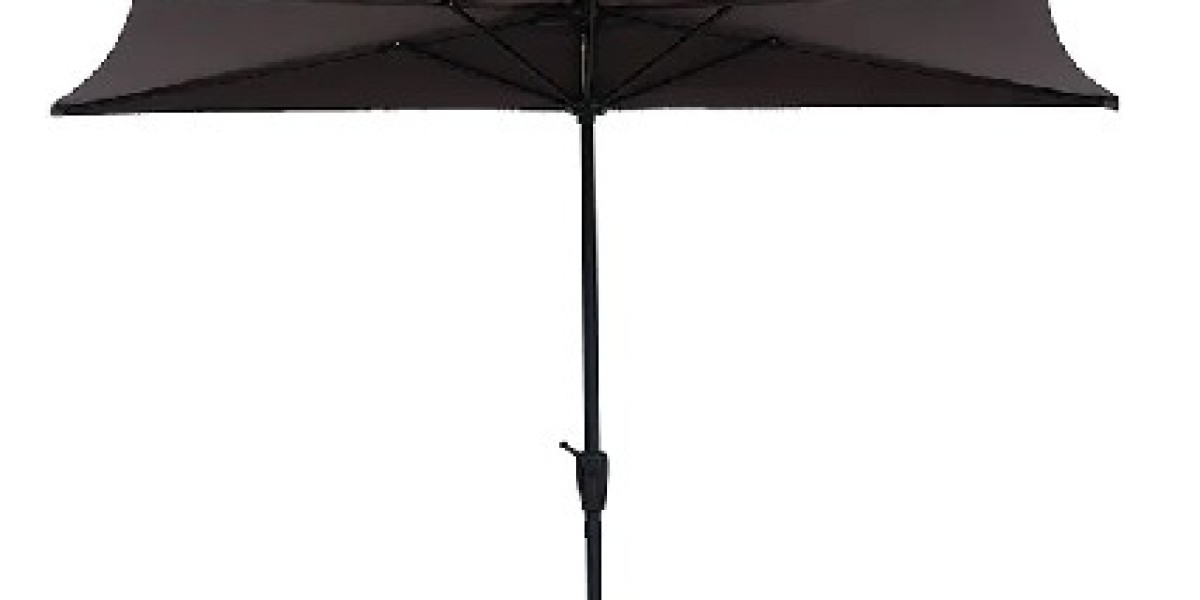

Outdoor spaces are used for relaxation, dining, social gatherings, and recreational activities. In many situations, flexible shade is needed without constructing a permanent roof or shelter. A well-designed Umbrella Shade Tent can provide a practical covering solution for gardens, patios, and selected commercial environments. By combining a canopy with a supporting structure, this type of product helps create a more comfortable outdoor area while offering flexibility for different applications.
Different environments require different coverage arrangements. A residential garden may need a compact shelter for casual seating, while a larger patio may require a broader shaded area for dining or family gatherings. Commercial users may consider umbrella-style shelters for outdoor displays, hospitality spaces, or seasonal activities, depending on the product's intended design. Buyers should evaluate the available space, expected use, and required coverage before choosing a suitable model.
Canopy fabric has a significant influence on appearance and outdoor performance. Polyester is commonly used in shade products because it offers a wide range of colors and design options. Fabric construction, density, and surface treatment can affect resistance to sunlight, fading, and moisture. Buyers should review the actual material specifications rather than assuming that every canopy provides the same level of protection. Selecting an appropriate fabric can also help align the product with the expected frequency of use and maintenance requirements.
The supporting structure is another important consideration. Aluminum frames are often selected for their relatively low weight and corrosion resistance, while steel may suit designs with different structural or cost requirements. The main support pole, connecting joints, ribs, and fasteners should be appropriate for the canopy design. Buyers should also consider the frame finish and assembly method, particularly when the product will be moved or stored regularly.
Ease of setup can make a difference in temporary outdoor applications. Depending on the design, an umbrella shade structure may use manual opening mechanisms, folding components, or other assembly systems. Buyers should confirm the opening method, installation process, required accessories, and storage arrangements before ordering. For commercial users, convenient assembly and straightforward operation can help reduce the effort involved in preparing outdoor spaces for daily activities or occasional events.
Product selection should reflect the needs of the intended market. Homeowners may prioritize appearance, convenient operation, and compatibility with garden furniture. Retailers and distributors may focus on product variety, packaging, transport efficiency, and consistent manufacturing quality. Hotels and hospitality businesses may need to consider how the shelter fits into guest seating areas, pedestrian routes, and the overall outdoor layout. These factors can help buyers compare different product designs more effectively.
Customization provides additional flexibility for wholesalers, importers, and project purchasers. Depending on manufacturing capabilities and order quantities, options may include canopy colors, frame finishes, selected dimensions, logo printing, and customized packaging. Businesses planning bulk purchases should discuss sample availability, minimum order quantities, production lead times, inspection procedures, and shipping arrangements. Confirming these details before production can help ensure that the finished products meet the intended market requirements.
Installation and weather management are essential for outdoor shade products. The base, anchors, or fixing system must match the specific structure and installation surface. Buyers should follow the manufacturer's instructions and consider local environmental conditions when choosing a location. Products should be secured, closed, or stored during strong winds and severe weather unless the specific model is designed and rated for those conditions. An umbrella-style shelter should not automatically be treated as a replacement for a permanent weather-resistant structure.
Maintenance can help preserve appearance and usability. Canopy fabrics should be cleaned according to the manufacturer's instructions, while frames, joints, and fasteners should be inspected periodically for signs of wear. Where dry storage is recommended, the canopy should be allowed to dry properly before being packed away. These routine practices can reduce unnecessary wear and support a longer service life.
When evaluating an Umbrella Shade Tent, buyers should consider canopy materials, frame construction, portability, installation requirements, maintenance, and customization possibilities. These factors help homeowners, retailers, wholesalers, and commercial procurement teams select products suited to their applications. Linhai Hongtai Leisure Products Co., Ltd. offers outdoor umbrella and leisure shade solutions for different market needs. Explore available products and discuss your requirements at https://www.parasol-ht.com/