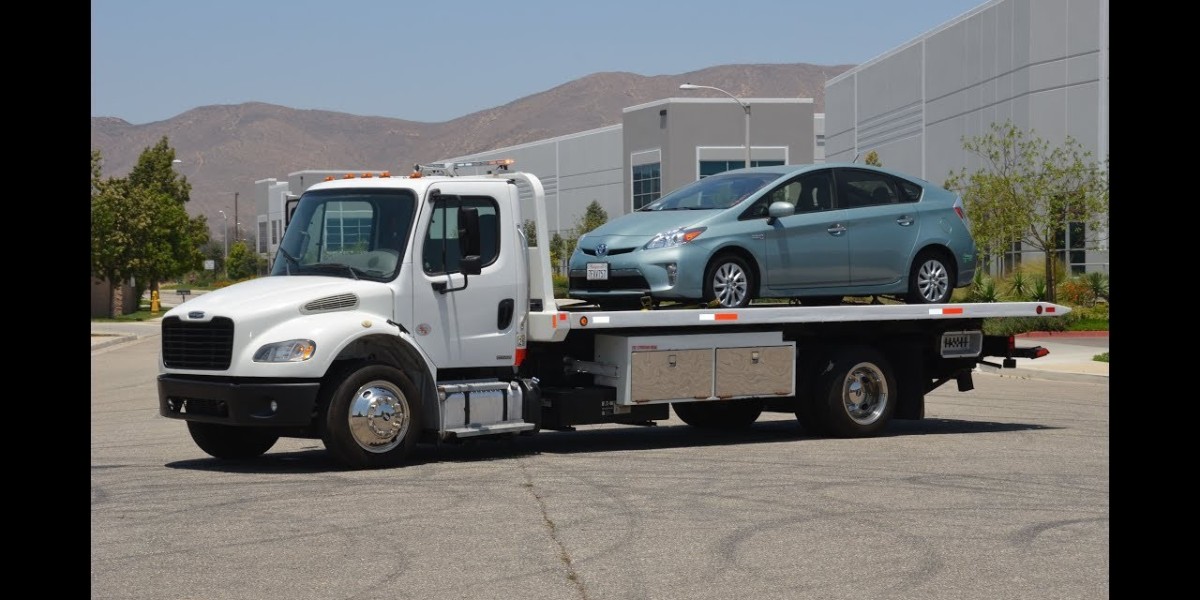

When a vehicle breaks down or becomes unsafe to drive, transporting it to a repair shop may be the next step. Before the tow truck arrives, a few simple preparations can help protect your belongings, document the vehicle's condition, and give the operator the information needed for safe transport. If your car needs a Jump Start Service Ellicott City MD, explain the symptoms first so the provider can determine whether a jump-start or towing is more appropriate.
Preparing a vehicle does not mean attempting repairs or moving damaged components yourself. The goal is to make the handoff clear, protect personal property, and communicate anything that could affect loading or transportation.
A short checklist can help you avoid forgotten belongings, misunderstandings about existing damage, and delays at the repair facility.
Remove Valuables and Personal Belongings
Before the vehicle is transported, remove personal belongings that you want to keep with you. Check the glove compartment, center console, door pockets, trunk, and any storage areas that are safe to access.
Items such as wallets, electronics, documents, medication, house keys, sunglasses, and work equipment should generally travel with you rather than remain inside a vehicle being transported. Remove removable accessories or valuables that could become loose during loading.
Do not spend time searching the vehicle if it is in a dangerous location. If the car is beside moving traffic, in floodwater, or otherwise unsafe to approach, prioritize personal safety and wait for appropriate assistance.
If you cannot access the vehicle before the tow, tell the operator. Explain whether the doors are locked, the keys are unavailable, or the vehicle has suffered damage that prevents safe entry.
Also consider removing toll tags, parking permits, or personal devices if they are easy to access and you want to keep them secure. Avoid disconnecting electrical components or removing parts of the vehicle unless a qualified professional instructs you to do so.
Document Existing Damage Before Transport
Photographs can help establish the vehicle's visible condition before it is moved. If it is safe to do so, take clear pictures of the exterior from several angles. Include existing dents, scratches, broken lights, damaged bumpers, cracked windows, and other visible issues.
If the vehicle has been involved in an accident, document the damage relevant to the incident. Capture the affected areas without standing in traffic or approaching an unsafe vehicle position. If the vehicle is leaking fluids, smoking, or showing signs of electrical damage, do not get close just to take photographs.
You may also want to record the dashboard warning lights, visible tire damage, or other conditions that explain why the vehicle needs transport. However, do not turn on the ignition if doing so could worsen a suspected mechanical or electrical problem.
Keep the photographs with your towing receipt and any insurance claim information. Documentation does not replace an inspection, but it can help you communicate the vehicle's condition to the repair shop and address questions that arise later.
Share Important Vehicle Information With the Operator
A towing operator needs to understand the vehicle's condition before selecting the loading method. Provide the make, model, and year, along with any relevant information about the drivetrain or special equipment.
Explain whether the vehicle starts, whether the wheels turn, and whether the transmission can shift into neutral. Mention an electronic parking brake, steering problem, locked wheel, damaged suspension, or low ground clearance.
Some vehicles have specific towing requirements. Electric vehicles, all-wheel-drive models, and certain luxury or specialty vehicles may require particular procedures. The owner's manual or official manufacturer guidance should be followed rather than relying on a general towing method.
If the vehicle has aftermarket modifications, lowered suspension, oversized tires, or other changes that affect clearance, tell the operator before loading begins. This information may influence the equipment and approach needed.
Do not assume that the operator already knows about a problem simply because it is visible. Explain any unusual behavior, warning message, or previous failed attempt to move the vehicle.
Confirm the Repair Shop and Drop-Off Details
Before the vehicle leaves, confirm the exact repair facility and delivery address. A business may have multiple locations, separate service entrances, or designated vehicle drop-off areas. Providing the correct information helps prevent delays and misdirected deliveries.
Check whether the repair shop is open when the tow is expected to arrive. If it is closed, ask whether it accepts after-hours deliveries and whether there is a secure key-drop procedure.
If the shop requires a work order, appointment, or customer contact before receiving a vehicle, arrange that in advance when possible. Share any relevant instructions with the dispatcher and operator.
You should also confirm whether the vehicle will be delivered directly to the service area or left in a designated parking space. If you are using insurance or a roadside assistance benefit, keep the destination and service details consistent with any authorization requirements.
If the repair shop cannot accept the vehicle, agree on another destination before transport begins. A last-minute change may affect the route and charges.
Follow the Vehicle Manufacturer's Instructions
Some vehicles require special handling during transport. This may involve specific lifting points, wheel positions, neutral-mode procedures, or restrictions on which wheels can rotate.
Electric vehicles may have transport modes and high-voltage system precautions. All-wheel-drive vehicles may require all wheels to remain off the ground or another manufacturer-approved procedure. Vehicles with electronic parking brakes or locked transmissions may need a specific release method.
Share the owner's manual or relevant manufacturer instructions if they are available. If you do not know the correct procedure, tell the operator rather than guessing.
Never attempt to force a transmission into neutral, release a damaged parking system, or move a vehicle with locked wheels without proper guidance. Such actions may create additional damage or safety risks.
The correct transport method depends on the vehicle's design and condition. Following official instructions helps protect the drivetrain, suspension, bodywork, and other components during loading and transport.
Secure Loose Items and Prepare the Keys
If it is safe to access the vehicle, remove or secure loose items that could shift during loading. Items left on seats, dashboards, or open storage areas may move when the vehicle is tilted or transported.
Close windows and the sunroof if they are functioning and can be operated safely. Check that removable accessories are secure, and let the operator know if a door, hood, trunk, or window cannot close properly because of damage.
Provide the correct key or key fob if the operator needs it to move the vehicle or release a steering lock. Some modern vehicles require an electronic key to select neutral or activate a transport procedure.
If the key is missing or the vehicle cannot be powered on, explain that before the truck arrives. The operator may need a different method or additional equipment.
Do not leave important instructions only inside the vehicle. Tell the dispatcher and operator directly, especially when the vehicle has a security system, electronic parking brake, or other feature that affects loading.
Keep the Towing and Repair Records Together
Before the vehicle is transported, confirm the estimated charges, payment terms, and any additional fees that may apply. Keep a copy of the towing estimate or authorization when available.
After the tow, save the itemized receipt, payment confirmation, pickup and delivery details, and photographs of the vehicle's condition. If insurance may cover the service, these records can help support a reimbursement request or claim.
When speaking with the repair shop, explain the symptoms that occurred before the vehicle stopped operating. Share warning lights, unusual noises, leaks, overheating, or any other details that may help the technician diagnose the problem.
If the vehicle was involved in an accident or exposed to water, tell the repair facility before it is started or inspected. Accurate information can help the shop follow the appropriate safety and diagnostic procedures.
Frequently Asked Questions
Should I remove everything from my car before towing?
Remove valuables, important documents, electronics, and personal belongings that you want to keep with you. If the vehicle is in an unsafe location, do not risk your safety to retrieve items. Tell the operator if you cannot access the vehicle.
Should I take pictures before my car is towed?
Yes, if it is safe. Photograph visible damage, affected areas, and other relevant conditions before transport. Keep the pictures with your towing receipt and insurance records.
Do I need to give the tow truck driver my car keys?
Some vehicles require a key or key fob to release the steering lock, select neutral, or activate a transport mode. Ask the operator what is needed and explain if the key is missing or the vehicle cannot power on.
Should I tell the towing company about modifications to my vehicle?
Yes. Lowered suspension, oversized tires, aftermarket bodywork, and other modifications may affect clearance or loading requirements. Sharing this information helps the operator plan the transport.
Do electric and all-wheel-drive vehicles need special towing instructions?
They may. Transport requirements vary by make, model, drivetrain, and vehicle condition. Follow the owner's manual or official manufacturer guidance and tell the towing provider about any special requirements.
Make the Vehicle Handoff Easier and Safer
Preparing your vehicle before transport can help protect personal belongings, document existing damage, and prevent avoidable loading problems. Confirm the repair shop's address, provide the correct keys, and explain any special vehicle requirements. Most importantly, never put yourself at risk to prepare a disabled vehicle. Clear communication and proper documentation help make the transition from roadside breakdown to professional inspection more straightforward.