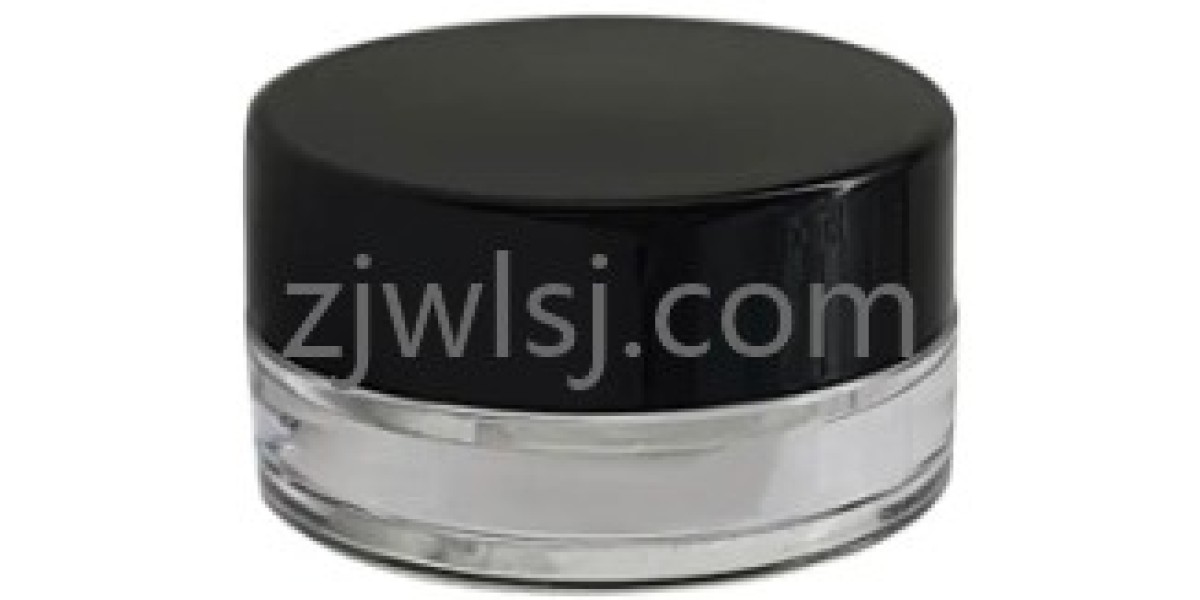

Skincare packaging plays an important role in protecting formulations, supporting convenient application, and presenting a consistent brand image. Cream products may have different textures, ingredients, and usage requirements, so their containers need to be developed with attention to material compatibility, structural design, and closure performance. For buyers evaluating Cream Bottle Wholesale options, understanding the relationship between packaging design and manufacturing technology can help create more effective sourcing decisions.
Material selection is one of the first stages of packaging development. Plastic is widely used for cosmetic containers because it offers flexibility in shape, weight, and surface design. Different plastic materials have different characteristics, including rigidity, flexibility, transparency, and resistance to impact. Manufacturers need to evaluate these properties according to the intended product and packaging structure. Material suitability should also be considered in relation to the cream formulation, storage conditions, and expected distribution environment.
The container body provides the main structure for holding and protecting the product. Its shape, wall design, opening, and base all influence usability and manufacturing performance. A practical design should allow the product to be stored and accessed conveniently while maintaining sufficient structural stability. The internal space also needs to correspond with the intended filling process. During product development, manufacturers can review the container structure together with the filling and assembly requirements to reduce potential production difficulties.
For Cream Bottle Wholesale projects, closure design is another important factor. Caps, lids, and dispensing components need to fit the container body properly. Depending on the formulation and application method, brands may choose different dispensing structures. The closure should be convenient to operate and help protect the product from unwanted exposure during storage and transportation. Its connection with the bottle body should be evaluated carefully to support consistent assembly and dependable performance.
Injection molding and other plastic processing technologies are essential to producing cosmetic packaging components. Mold design determines the shape and structural details of the finished parts. Manufacturers need to consider material flow, cooling, component thickness, and dimensional consistency when developing molds. These factors can influence the appearance and fit of the container. Proper process control helps reduce common defects, including uneven surfaces, deformation, and inconsistent component dimensions.
Surface decoration allows packaging to reflect the visual identity of a skincare brand. Printing, coating, labeling, and other finishing methods can create different appearances according to the product positioning. Clean and understated finishes may suit everyday skincare products, while more distinctive decorative treatments can help premium collections establish a recognizable presentation. The selected process should be compatible with the container material, and finished surfaces should be inspected for color consistency, adhesion, and visible defects.
Quality management needs to cover the entire production process. Incoming material inspection helps confirm that raw materials meet the agreed requirements. During component production, process monitoring can identify changes that may affect dimensions or surface quality. After decoration and assembly, finished containers can be checked for appearance, closure fit, structural condition, and general usability. When packaging is intended for a particular formulation, appropriate compatibility and performance evaluations should also be considered.
Customization is often central to wholesale cosmetic packaging projects. Brands may request different container shapes, colors, surface finishes, logos, closure styles, and product presentation details. These choices need to be coordinated with tooling and production methods. A design that requires multiple components or special decorative processes may involve additional manufacturing steps. Discussing these requirements early can help buyers and suppliers establish a practical development plan.
Supply coordination is equally relevant when purchasing packaging in wholesale quantities. Consistency between production batches helps maintain a uniform appearance across product collections. Buyers may also need to consider component availability, assembly arrangements, protective packing, and transportation conditions. A well-organized manufacturing process can support more predictable production and help reduce avoidable handling problems.
Sustainable packaging considerations are becoming increasingly relevant in product development. Manufacturers can review material efficiency, component design, and packaging arrangements to identify opportunities to reduce unnecessary material use. Any material changes should still be evaluated against product protection, manufacturing feasibility, and the requirements of the intended cosmetic application.
Reliable skincare packaging is created through the coordination of material selection, structural engineering, processing technology, decoration, and quality inspection. Buyers looking for customized cosmetic packaging can explore related products and manufacturing options from WEILI PLASTIC at https://www.zjwlsj.com/product/eye-shadow-palette/shadow-palette-1-grid/.




