
Running a business involves more than managing customers, employees, projects, and daily expenses. Every business also faces unexpected situations that can affect its finances and operations. A customer may suffer an injury, valuable equipment may get damaged, or an unexpected accident may lead to an expensive liability claim. Without suitable protection, even one incident can create financial pressure and interrupt business activities.
This is why choosing the right Business Insurance coverage is an important part of responsible business management. Insurance helps companies prepare for unexpected losses while protecting important business assets and supporting long-term stability.
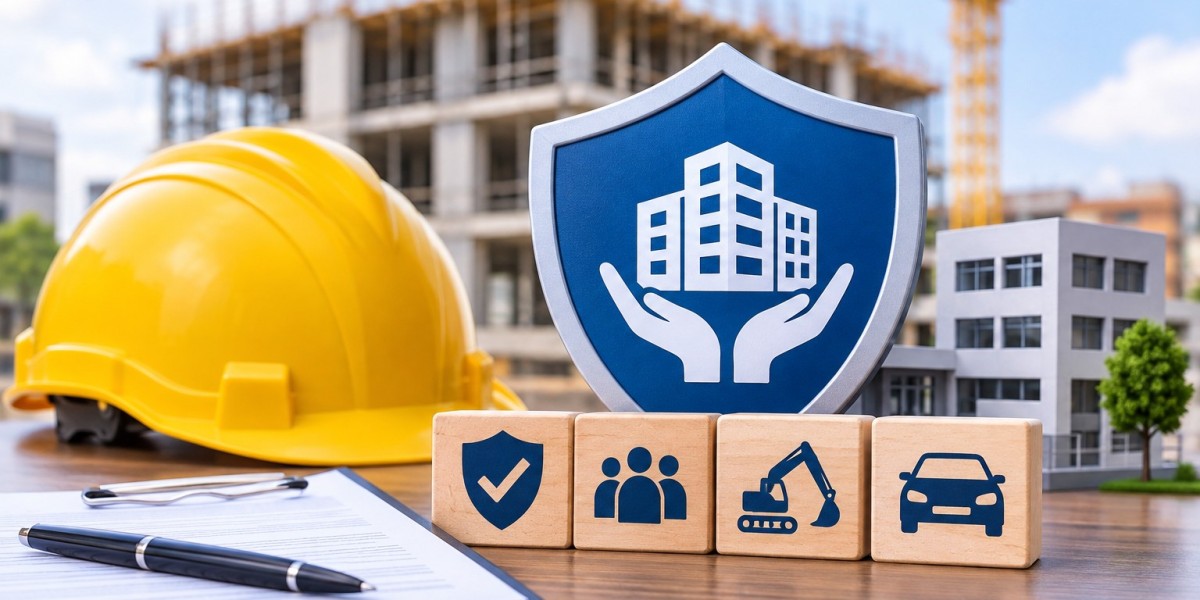
For contractors and construction professionals, having suitable protection is especially important. Jobsite accidents, damaged materials, equipment theft, and third-party property damage can create additional risks. Understanding how different policies work makes it easier to identify coverage gaps and select protection that matches actual business needs.
Why Coverage Gaps Can Become Expensive Problems
A coverage gap occurs when a business does not have insurance for a particular type of loss or has limits that are too low to handle a major claim. Some owners assume that one policy covers every possible situation. However, different insurance policies protect against different risks.
For example, general liability coverage may help with certain third-party injury or property damage claims, but it does not automatically protect the company's own equipment against theft. Similarly, commercial auto coverage is designed for vehicle-related business risks rather than every type of jobsite accident.
These misunderstandings can create unexpected expenses. Reviewing insurance policies regularly helps business owners understand their protection and identify areas that may need additional coverage.
Important Types of Business Coverage Every Owner Should Understand
Selecting insurance becomes easier when business owners understand what each policy is designed to protect.
1. General Liability Insurance
General liability insurance helps protect a business against certain third-party claims involving bodily injury, property damage, and personal or advertising injury.
Consider a situation where a customer visits a business location and slips on a wet floor. The customer may request compensation for medical expenses or file a lawsuit. General liability coverage may help with covered legal expenses, settlements, or other eligible costs.
For contractors, this protection can be equally important. A worker may accidentally damage a client's flooring, driveway, or other property while completing a project. Depending on the policy terms, general liability insurance may help address the resulting claim.
2. Commercial Property Insurance
Business owners often invest significant money in buildings, office furniture, inventory, machinery, and equipment. Damage to these assets can affect daily operations and create costly replacement expenses.
Commercial property insurance helps protect eligible physical business assets against covered events, such as fire, certain weather damage, vandalism, or theft.
This coverage is useful for businesses that depend on expensive tools, computers, materials, and specialized machinery. Owners should review property limits and understand whether their policy uses replacement cost or actual cash value when calculating covered losses.
3. Workers' Compensation Insurance
Employees are an important part of business operations, but workplace injuries can create financial and operational challenges.
Workers' compensation insurance generally helps provide benefits for eligible employees who experience work-related injuries or occupational illnesses. Depending on applicable laws and policy terms, benefits may include medical treatment, a portion of lost wages, and rehabilitation expenses.
Businesses should understand their state's requirements and confirm which workers must be covered. This is particularly important for construction companies, where employees may perform physically demanding tasks or work with heavy equipment.
4. Commercial Auto Insurance
Many businesses depend on vehicles to transport employees, materials, tools, and equipment. An accident involving a company vehicle can result in vehicle damage, medical expenses, and liability claims.
Commercial auto insurance is designed to address certain risks associated with vehicles used for business purposes. Coverage options may include liability protection, collision coverage, and comprehensive protection, depending on the selected policy.
Contractors should review their vehicle use carefully. Trucks, vans, trailers, and other work vehicles may require suitable commercial coverage rather than relying on personal auto insurance.
5. Business Interruption Insurance
A business may experience a temporary shutdown after a covered event damages its property. Even if operations stop, certain expenses may continue.
Rent, payroll, loan payments, and utility bills can become difficult to manage without regular business income.
Business interruption insurance, also called business income coverage, may help replace lost income and cover eligible ongoing expenses during a covered interruption. The policy's covered causes, waiting periods, limits, and restoration periods should be reviewed before purchasing.
6. Professional Liability Insurance
Businesses that provide consulting, design, planning, or specialized professional services may face claims involving mistakes, missed deadlines, or alleged negligence.
Professional liability insurance, also known as errors and omissions insurance, can help address covered claims alleging that professional services caused a client financial harm.
This coverage can be valuable for contractors who provide project planning, technical recommendations, design assistance, or other professional services beyond physical construction work.
Why Contractors Need a Different Approach to Insurance
Construction businesses face risks that can change from one project to another. A contractor working on a residential renovation may have different insurance needs than a commercial builder handling a large construction project.
This is why contractor insurance should be considered as part of a broader risk management plan.
Contractors may work at multiple locations, use expensive equipment, transport materials, hire subcontractors, and coordinate with property owners. Each activity can create a different type of exposure.
Here are several important areas contractors should review:
Jobsite liability: Accidental injuries or damage to another person's property may lead to liability claims.
Tools and equipment: Stolen or damaged equipment can delay projects and increase replacement expenses.
Construction materials: Materials stored at a jobsite or transported between locations may need specific protection.
Subcontractor relationships: Contractors should understand how their policies address subcontractors and verify required insurance documentation.
Project-specific risks: Certain construction projects may require builders risk or additional insured endorsements.
Employee safety: Proper workers' compensation coverage and workplace safety procedures can help address employee-related risks.
A contractor should never assume that a general business policy automatically covers every construction activity. Reviewing job descriptions, contracts, equipment values, and project requirements can help identify the right combination of policies.
How to Identify Insurance Gaps Before a Claim Happens
Finding coverage gaps before an accident occurs is easier than discovering them during a claim. Business owners can follow a practical review process.
Review Your Current Business Activities
Start by listing the services your company provides, the locations where work takes place, and the equipment used during daily operations.
If the business has recently expanded into new services, hired additional employees, or started larger projects, its existing insurance may need adjustments.
Compare Policy Limits With Potential Losses
A policy limit should reflect the level of risk the business may face. Consider the value of equipment, the size of projects, contractual obligations, and the potential financial impact of a liability claim.
Choosing limits based only on the lowest available premium can leave a company financially exposed.
Understand Exclusions and Deductibles
An insurance policy may exclude certain activities, materials, property types, or causes of damage. Deductibles also affect how much the business must pay before insurance benefits apply.
Read the policy carefully and ask questions about situations that are unclear.
Check Client and Contract Requirements
Some clients, property managers, and general contractors require specific insurance limits or documentation before allowing work to begin.
Review contract requirements early so that suitable coverage can be arranged before signing an agreement or starting a project.
Schedule Regular Insurance Reviews
Business operations change over time. New employees, additional vehicles, larger contracts, and expensive equipment purchases can affect insurance needs.
An annual review is a useful starting point, but major business changes should also trigger an updated coverage assessment.
How to Choose the Right Insurance for Your Business
Finding suitable coverage does not mean purchasing every available insurance policy. The goal is to select protection based on the company's actual operations, financial responsibilities, and potential risks.
Consider these factors before making a decision:
Business size and industry: A small office-based company may need different protection than a construction business with employees, vehicles, and expensive machinery.
Annual revenue: Business income, operating expenses, and growth plans can influence the amount of coverage required.
Number of employees: Companies with employees should understand workers' compensation requirements and other employment-related responsibilities.
Equipment and property value: Make sure important assets are properly valued and included in the appropriate coverage.
Project and contract requirements: Review insurance requirements before accepting new projects, particularly if clients request additional insured status or higher liability limits.
Budget and deductibles: Compare policy options carefully. A lower premium may come with higher deductibles, lower limits, or additional exclusions.
Working with an experienced insurance professional can help business owners compare available options and understand how different policies work together.
Common Business Insurance Mistakes to Avoid
Even responsible business owners can make insurance decisions that leave their companies exposed. Avoiding these common mistakes can improve overall financial protection.
Choosing coverage based only on price: The cheapest policy may not provide enough protection for important business activities.
Ignoring policy exclusions: Not understanding exclusions can create confusion when filing a claim.
Underestimating equipment value: Outdated property valuations may result in insufficient coverage after a loss.
Forgetting business changes: Expanding operations without updating insurance can create unexpected coverage gaps.
Overlooking subcontractor requirements: Contractors should verify insurance responsibilities and documentation before hiring subcontractors.
Waiting until an accident happens: Insurance should be arranged before risks become actual financial losses.
Taking time to review these areas can help prevent avoidable insurance problems and support better business decisions.
Conclusion
Unexpected accidents, property damage, equipment theft, and liability claims can create serious financial challenges for businesses of every size. Having appropriate insurance protection helps companies prepare for these situations and manage covered losses without putting their entire financial future at risk.
Choosing suitable Business Insurance starts with understanding daily operations, identifying potential exposures, and reviewing available coverage options. For construction professionals, additional attention to jobsite risks, commercial vehicles, tools, and subcontractor responsibilities is equally important.
A well-planned insurance strategy can support business continuity, protect valuable assets, and provide greater confidence when accepting new projects or expanding operations. Regular policy reviews also help ensure that coverage continues to match the company's changing needs.