
When customers receive food from a restaurant, their experience begins before they take the first bite. The appearance of the meal, the cleanliness of its container, and the way it is presented can shape their first impression. Even when the food tastes excellent, poor packaging may make the order feel less professional. For this reason, restaurants should treat packaging as an important part of the customer experience.
Well-designed custom food packaging boxes can help restaurants present their meals neatly while supporting their brand identity. The right packaging protects food, makes orders easier to carry, and creates a consistent appearance. These details may seem small, but together they can influence how customers view a food business.
First Impressions Begin Before the First Bite
Customers often notice packaging as soon as an order is handed to them. A clean container, secure lid, and organized presentation can create a positive feeling before the meal is opened.
On the other hand, damaged boxes, loose wrappers, and visible grease marks may create doubts about the care taken during food preparation. Packaging does not replace food quality, but it can support the impression that a restaurant pays attention to detail.
Restaurants should review how their meals look when they leave the kitchen. A simple final check can help staff identify problems before an order reaches the customer.
Clean Packaging Builds Customer Confidence
Cleanliness is one of the first things customers expect from a food business. Packaging that looks dirty, stained, or damaged can affect their confidence in the order.
Restaurants should store containers and wrapping materials in clean, dry places. Staff should handle food-contact materials with clean hands and avoid placing them on unclean work surfaces.
It is also important to use materials suitable for the type of food being served. Hot, oily, or moist foods may need different packaging features. Choosing appropriate materials helps maintain a clean presentation and supports proper food handling.
Packaging Helps Customers Recognize a Brand
A restaurant's packaging can become part of its visual identity. Consistent colors, logos, and simple design elements help customers connect an order with the business.
This is especially useful for restaurants that serve takeaway and delivery customers. Unlike dine-in guests, these customers may have fewer opportunities to interact with the restaurant environment. Packaging can help create a recognizable experience outside the dining room.
Branding does not need to be complicated. A clear logo, readable business name, and consistent color scheme can create a professional look without making the design too crowded.
Choose Packaging That Matches the Food
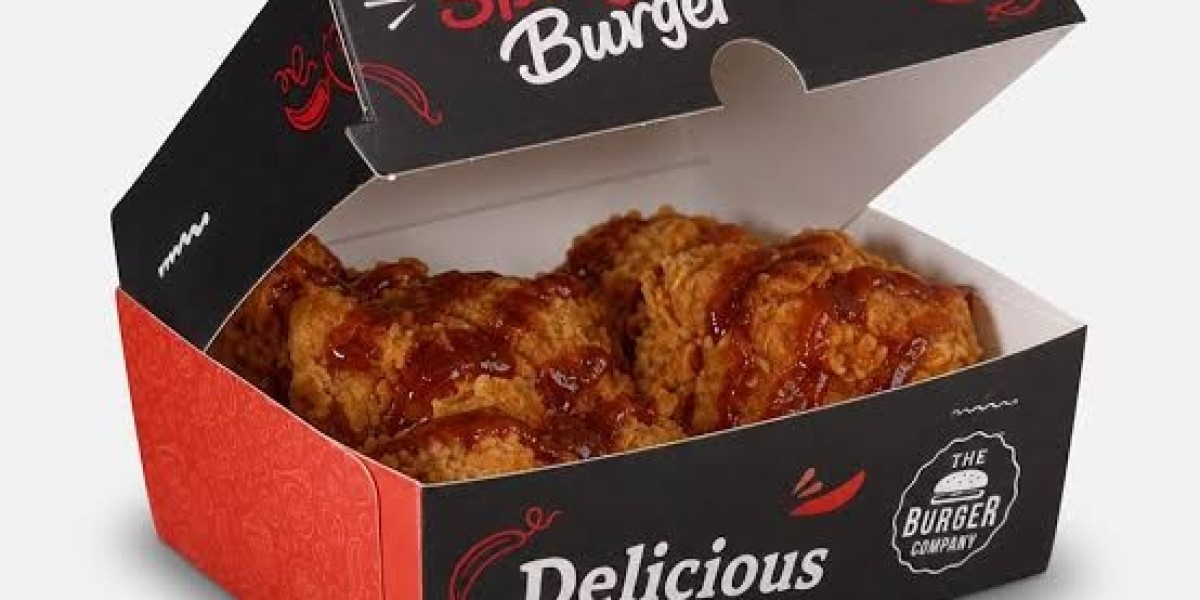
Different meals need different types of containers. A burger, pizza slice, pastry, salad, and full meal may each require a different packaging style.
The size and shape of a container should match the food portion. If a box is too large, the meal may move around during transport. If it is too small, the food may become crushed or difficult to remove.
Restaurants should also consider grease, moisture, and temperature. Packaging that works well for dry bakery items may not be suitable for hot or oily meals. Selecting materials according to the menu helps maintain better presentation.
Make Takeout Orders Easy to Handle
Convenience is another important part of a positive first impression. Customers want to carry their orders without worrying about spills, loose lids, or damaged bags.
Secure containers and suitable carrying bags can make takeaway orders easier to manage. Staff should also arrange food carefully so that heavy items do not crush lighter products.
For orders containing several dishes, sauces, and drinks, keeping items organized can prevent mess. A well-packed order feels more thoughtful and makes the customer's experience smoother.
Keep Food Presentable During Delivery
Delivery creates additional challenges because food may move, cool down, or release moisture during transportation. Restaurants need to consider how packaging performs beyond the kitchen.
Containers should close properly and provide enough space for the food. Meals with sauces should use suitable leak-resistant packaging, while delicate items may need extra protection from pressure.
Restaurants should also consider how steam affects food texture. Some crispy foods may become soft when moisture is trapped inside a tightly closed container. Choosing suitable packaging and packing methods can help reduce this problem.
Use Simple Designs Instead of Crowded Packaging
An attractive design can make a restaurant look more professional, but too many design elements may create a confusing appearance. Customers should be able to recognize the brand without struggling to read the packaging.
Simple layouts, balanced colors, and clear logos often work well. Restaurants can use one or two main brand colors and keep important information easy to read.
The design should also match the restaurant's style. A bakery may prefer a warm and welcoming appearance, while a fast-food business may choose a more energetic design. Consistency is more important than adding unnecessary decoration.
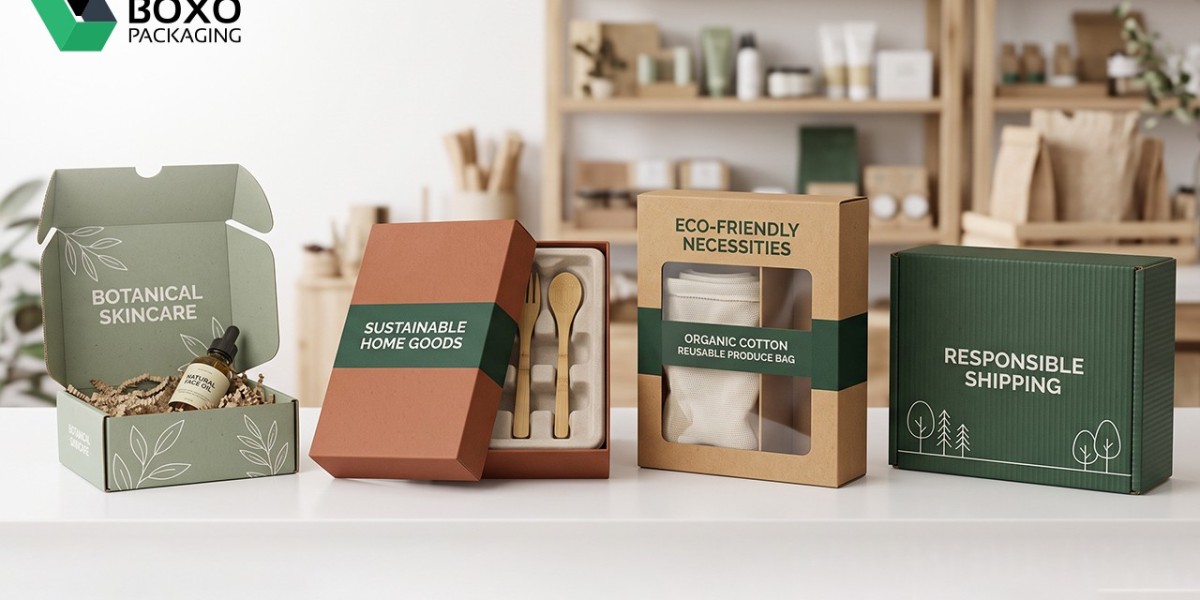
Consider Sustainability and Material Choices
Many customers are becoming more aware of packaging waste. Restaurants can respond by reviewing the materials they use and avoiding unnecessary layers where practical.
The choice of material should balance environmental considerations with food protection, safety, and convenience. Not every material is suitable for every meal, so businesses should check product specifications and intended uses before making changes.
Restaurants can also reduce waste by choosing appropriate container sizes. Packaging that fits the food properly may help prevent damage and reduce the need for extra wrapping.
Train Staff to Maintain Presentation Standards
Even high-quality packaging cannot create a good impression if employees use it carelessly. Staff should understand how to select containers, wrap food, arrange orders, and check packages before serving.
A simple packing routine can help maintain consistency during busy hours. Employees should check that containers are clean, lids are secure, and the outside of each order is free from spills.
Managers can also review customer feedback to identify recurring problems. If customers often report damaged meals or messy packaging, the restaurant can improve its materials or packing process.
Packaging Can Support Customer Loyalty
A positive first impression can encourage customers to return. When food arrives neatly packed and looks as expected, customers may feel more confident about ordering from the same restaurant again.
Consistent presentation also helps create a reliable brand experience. Customers should receive the same level of care whether they order in person, through a delivery service, or directly from the restaurant.
Packaging alone cannot guarantee customer loyalty, but it supports the overall experience. Combined with good food, friendly service, and reliable delivery, it can help a restaurant build stronger customer relationships.
Conclusion
Packaging influences how customers see a restaurant before they even taste the food. Clean materials, suitable containers, secure packing, and consistent branding all help create a positive first impression. Food businesses should choose packaging that protects meals while matching their menu and brand identity. Whether a business needs takeaway containers or bakery packaging canada, thoughtful packaging choices can support better presentation, customer confidence, and a more professional food experience.