
Food quality matters at every stage of a restaurant order. Customers expect meals to taste good, look fresh, and arrive in suitable condition. However, food can lose its texture, temperature, and appearance between preparation and delivery. Restaurants need to pay attention to cooking, handling, storage, and packaging to protect the quality of every meal.
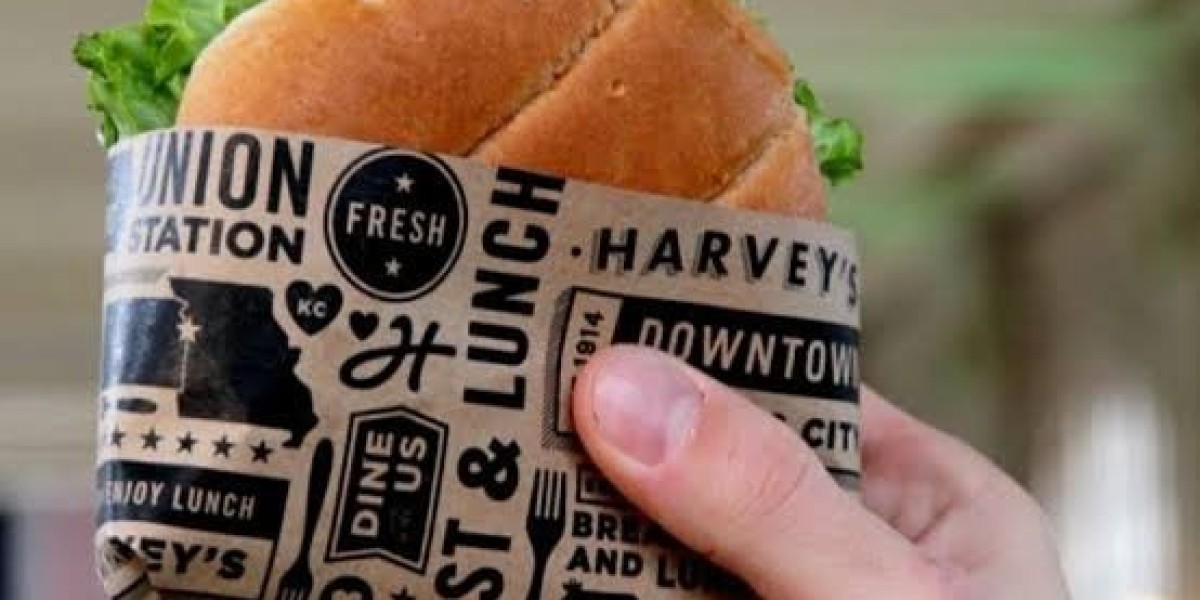
Packaging is an important part of this process. For example, branded burger wraps can help keep burgers neatly wrapped while giving customers a consistent presentation. Choosing suitable materials and packing each item carefully can also help restaurants reduce spills, protect food from outside contact, and create a better customer experience.
Start With Fresh Ingredients
Protecting food quality begins before cooking. Fresh ingredients help restaurants prepare meals with better taste, texture, and appearance. Businesses should buy ingredients from reliable suppliers and check their condition when deliveries arrive.
Proper storage is equally important. Different ingredients need suitable storage conditions to maintain freshness and reduce the risk of spoilage. Restaurants should follow food safety guidelines, check storage temperatures, and keep raw ingredients separate from ready-to-eat foods.
Regular stock checks can also prevent ingredients from staying in storage for too long. Using older stock first, where appropriate, helps reduce waste and supports consistent food quality.
Follow Proper Food Handling Practices
Careful food handling helps protect meals from contamination and damage. Employees should wash their hands before preparing food, use clean utensils, and keep preparation surfaces sanitized.
Raw meat, vegetables, and cooked foods should be handled separately to reduce cross-contamination. Staff should also use suitable equipment when preparing different ingredients.
A clean kitchen creates a safer working environment and helps restaurants maintain consistent standards. Simple habits, followed throughout the day, can make a major difference.
Cook Food at the Right Temperature
Cooking temperature affects both food safety and quality. Undercooked food may create safety risks, while overcooking can make meals dry, tough, or less enjoyable.
Restaurants should follow suitable cooking temperature guidelines for different foods. Using a food thermometer can help employees check whether meals have reached the required internal temperature.
Consistent cooking methods also improve the customer experience. When kitchen staff follow clear recipes and preparation steps, customers are more likely to receive meals with the same taste and texture each time.
Choose Packaging That Suits the Food
Different foods have different packaging needs. Burgers, sandwiches, fried snacks, salads, and hot meals should not all be packed in the same way.
Restaurants should consider the food's temperature, moisture, grease content, and shape before selecting packaging. A suitable container or wrapper can help keep the meal organized and make it easier to carry.
For example, grease-resistant materials may be useful for oily foods, while secure containers are important for meals with sauces. Choosing the right option helps reduce mess and supports better presentation.
Control Heat and Moisture During Delivery
Temperature and moisture can change food quality during transport. Hot food may release steam, while cold meals can warm up if they are not packed correctly.
Some foods, such as fries and fried chicken, can become soft when moisture gets trapped inside closed packaging. Restaurants should consider suitable ventilation for these items when appropriate.
Hot and cold foods should also be packed separately when needed. This helps maintain their intended condition and prevents one item from affecting another.
Prevent Spills and Food Damage
A meal can lose its appeal if it arrives with spilled sauce, crushed ingredients, or a damaged container. Restaurants can reduce these problems by using secure lids and packaging that fits each portion.
Sauces and dressings should be packed in suitable containers. Staff should avoid overfilling boxes and should check that lids are properly closed before placing orders in delivery bags.
The arrangement of food also matters. Heavy items should not be placed on top of delicate foods, and containers should be positioned securely to limit movement during transport.
Maintain Clean Packaging and Presentation
Customers notice the condition of packaging when they receive an order. Grease stains, torn wrappers, dirty containers, and loose lids can make food look poorly handled.
Restaurants should store packaging in clean, dry areas and protect it from dust and moisture. Employees should use clean hands and avoid placing food-contact materials on unclean surfaces.
Before an order leaves the kitchen, staff should check the outside of the packaging. A quick inspection can catch spills, damaged containers, or other issues that affect presentation.
Train Employees to Follow Consistent Steps
Food quality depends on the people who prepare and pack each order. Even good ingredients and packaging may not produce the right result if employees follow different methods.
Restaurants should provide clear instructions for food preparation, storage, wrapping, and delivery packing. New staff should understand how different menu items need to be handled.
Simple checklists can help employees remember important steps during busy periods. These may include checking food temperature, securing containers, separating sauces, and confirming that every item is included.
Test Packaging Before Making a Change
A packaging option may look suitable but perform poorly during actual delivery. Restaurants should test new materials with their menu items before using them regularly.
A practical test can include packing a meal, carrying it for the expected delivery time, and checking its condition afterward. Staff should look for leaks, moisture buildup, damaged food, and changes in appearance.
Customer feedback can provide useful information as well. If customers report that food arrives cold, messy, or difficult to handle, restaurants can review their packaging and delivery process.
Keep Food Quality Consistent
Consistency helps restaurants build customer trust. Customers want to receive the same standard of food whether they order during a quiet afternoon or a busy evening.
Clear recipes, proper storage, staff training, and suitable packaging all support this goal. Managers should review preparation and delivery practices regularly to identify problems and improve service.
Restaurants can also monitor customer comments and order complaints. Repeated feedback may point to issues with portion sizes, packaging, temperature control, or delivery handling.
Conclusion
Protecting food quality from kitchen to customer requires attention at every stage. Fresh ingredients, safe food handling, proper cooking, suitable packaging, and careful delivery preparation all help meals reach customers in better condition. Restaurants can also improve consistency by training staff and testing packaging under real conditions. Choosing appropriate food paper sheets and other food-safe materials can support clean presentation, convenient handling, and a more reliable customer experience.




