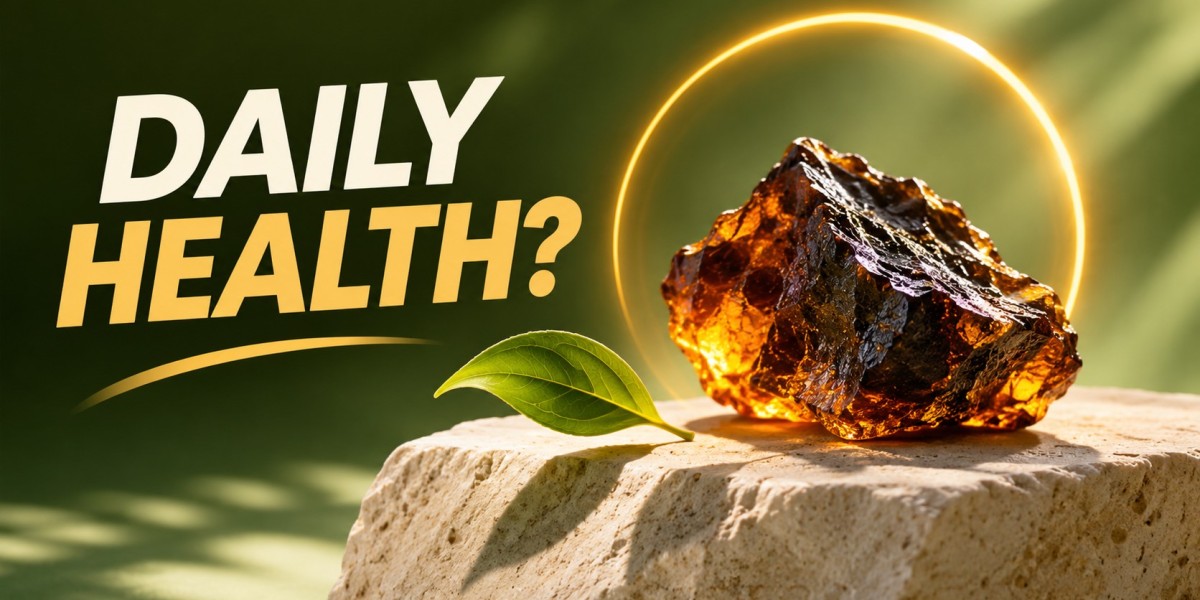

Women often explore different approaches to support daily health, energy, and overall well-being. Traditional Ayurvedic ingredients have become part of this conversation, and shilajit is one substance receiving growing attention. Learning about Shilajit Benefits for Female can help women understand why it is popular, what its natural composition includes, and how much scientific evidence supports its potential uses.
Shilajit contains several organic compounds and minerals that researchers are studying. It has a long history of traditional use, but evidence for specific health benefits in women remains limited. It is therefore best understood as a supplement of scientific interest rather than a proven solution for everyday health concerns.
What Is Shilajit and Where Does It Come From?
Shilajit is a dark, sticky, resin-like substance found in mountainous regions, including the Himalayas. It forms through natural processes involving decomposed plant material and other organic matter over long periods.
Its composition may include:
Fulvic acid
Humic substances
Minerals and trace elements
Other naturally occurring organic compounds
The exact composition varies depending on the source and processing method. This is one reason product quality and testing are important.
In traditional Ayurvedic practices, shilajit has been associated with rejuvenation and vitality. Modern researchers have investigated some of its compounds, but not every traditional use has been confirmed through clinical studies.
Possible Benefits of Shilajit for Women's Daily Health
1. Interest in Energy Metabolism
One reason shilajit attracts attention is its possible relationship with cellular energy processes. Researchers have explored whether certain compounds may influence how cells manage energy.
This area is still being studied. It does not establish that shilajit reliably improves daily energy in women or treats fatigue.
Women experiencing ongoing tiredness should consider common causes such as inadequate sleep, stress, nutritional deficiencies, and medical conditions.
2. Potential Antioxidant Activity
Some compounds found in shilajit, including fulvic acid, have been studied for antioxidant properties.
Antioxidants are involved in protecting cells against oxidative stress. Laboratory findings have created interest in shilajit's potential biological activity, but further human research is needed to understand whether supplementation provides meaningful benefits.
3. Traditional Use for Vitality
Shilajit has traditionally been used in Ayurvedic wellness practices and is often associated with strength and vitality.
This history helps explain its place in traditional health systems. However, traditional use is not the same as clinical proof. Women should avoid assuming that a traditional ingredient can prevent or treat a health condition.
4. Interest in General Well-Being
Some women consider shilajit as one possible part of a broader wellness routine. Its naturally occurring compounds contribute to interest in the substance.
There is no strong evidence that shilajit alone improves every aspect of women's health. It cannot replace a varied diet, regular activity, quality sleep, or medical care.
What Does Research Say About Shilajit and Women?
Research into shilajit includes laboratory studies and some human investigations. These studies may explore its chemical properties and possible biological effects.
However, several limitations matter:
Some findings come from laboratory research rather than human trials.
Studies may involve small groups of participants.
Results from one population may not apply to women generally.
Long-term safety information is limited.
Evidence for specific female health outcomes is insufficient.
For these reasons, claims that shilajit balances female hormones, improves fertility, treats menstrual problems, or prevents age-related conditions should be approached cautiously.
More high-quality research is needed before such benefits can be established.
Can Shilajit Support Hormonal Health?
Hormonal health is an important part of women's well-being, but it is also a complex subject.
Hormone levels can be influenced by age, menstrual cycles, pregnancy, menopause, stress, medical conditions, and medication. There is not enough reliable clinical evidence to claim that shilajit balances female hormones or treats hormonal disorders.
Women experiencing irregular periods, significant mood changes, unusual hair growth, or other concerning symptoms should seek medical advice. A supplement should not replace proper assessment.
Shilajit and Menstrual Health
Some online discussions connect shilajit with menstrual comfort and cycle regularity. However, strong clinical evidence supporting these claims is lacking.
Menstrual changes can have several causes, including hormonal conditions, stress, changes in weight, pregnancy, and other health issues. Women experiencing unusually heavy bleeding, severe pain, or persistent cycle changes should consult a healthcare professional.
How to Choose a Quality Shilajit Product?
Product quality is one of the most important considerations when evaluating shilajit.
Raw or poorly processed material may contain heavy metals and other contaminants. A product's natural origin does not guarantee purity.
Before considering a supplement, check for:
Independent Laboratory Testing
Look for credible third-party testing, particularly for heavy metals and contaminants.
Transparent Ingredients
The label should identify shilajit clearly and list any additional ingredients. Avoid products with vague proprietary blends that make it difficult to understand what is included.
Manufacturer Information
A responsible manufacturer should provide contact details, batch information, and clear product instructions.
Realistic Claims
Be cautious of products promising guaranteed fertility benefits, hormone regulation, rapid weight loss, or treatment of chronic conditions.
Who Should Avoid Self-Prescribing Shilajit?
Pregnant and breastfeeding women should not self-prescribe shilajit because safety information is insufficient.
Women trying to conceive should consult a healthcare professional before using it. Those taking prescription medicines or managing chronic health conditions should also seek advice about possible risks and interactions.
Anyone experiencing persistent or unexplained symptoms should prioritise medical assessment.
Building a Stronger Daily Wellness Routine
Shilajit should not be viewed as the foundation of women's daily health. Practical habits have a much stronger evidence base.
Eat a varied diet with vegetables, fruits, whole grains, and suitable protein sources.
Maintain a regular sleep schedule.
Stay hydrated throughout the day.
Include physical activity that suits your ability and health.
Make time for relaxation and social connection.
Attend recommended health check-ups.
Seek medical advice when symptoms persist.
These habits support general well-being without depending on a single supplement.
Conclusion
Shilajit has a long history of traditional use and contains compounds that researchers continue to investigate. Possible areas of interest include antioxidant activity and cellular energy processes, but the available evidence does not establish broad health benefits for women.
Women should approach shilajit with realistic expectations, pay attention to product purity, and seek professional advice when appropriate. It should not replace medical treatment or the everyday habits that support good health.
Understanding the difference between traditional use, early scientific findings, and proven clinical benefits can help women make more informed choices when exploring products from an Ayurvedic wellness brand.
Frequently Asked Questions
1. What are the possible benefits of shilajit for women's daily health?
Research has explored its antioxidant properties and possible relationship with cellular energy processes. However, specific health benefits for women have not been firmly established.
2. Can shilajit balance female hormones?
There is insufficient reliable clinical evidence to establish that shilajit balances female hormones or treats hormonal disorders.
3. Does shilajit improve women's energy?
It is traditionally associated with vitality, but evidence that it consistently improves energy in women remains limited.
4. Is shilajit suitable for everyday wellness?
It may not be appropriate for everyone. Women should consider product quality, individual health, medications, and professional advice before using it.
5. What should women check before buying shilajit?
Look for independent laboratory testing, heavy-metal screening, transparent ingredients, manufacturer information, and realistic product claims.