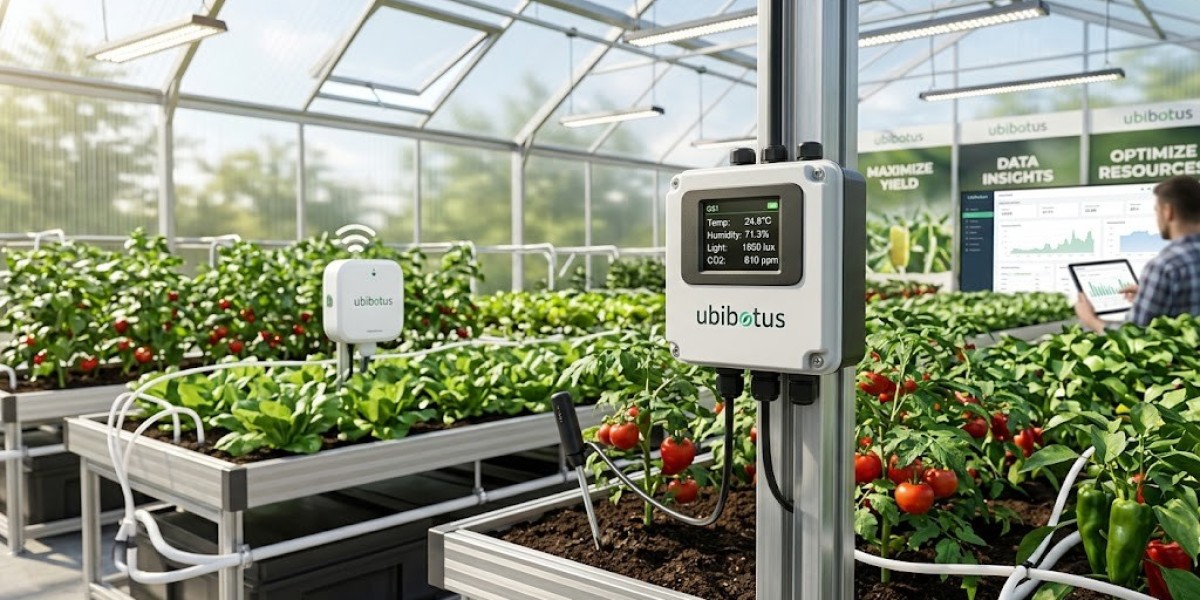

In the pursuit of agricultural excellence, precision is no longer optional; it is the differentiating factor between mediocrity and market leadership. Traditional, manual methods of greenhouse management relying on thermometers, intuition, and periodic checks are increasingly obsolete in a world defined by volatile climates and resource constraints. Today, to achieve maximum yield, sustainable operations, and unwavering quality, growers must embrace data-driven precision.
The cornerstone of this modern approach is the Greenhouse Monitoring System. Far more than a mere collection of digital instruments, this technology provides the continuous, granular oversight necessary to maintain the perfect growing biome. This guide explores the definition, components, advantages, and implementation of these crucial systems, demonstrating how they provide the ultimate competitive edge in controlled environment agriculture (CEA).
What is a Greenhouse Monitoring System?
A greenhouse monitoring system is an advanced network of sensors, data loggers, and software designed to continuously measure, record, and analyze critical environmental parameters within a controlled cultivation facility. These systems eliminate guesswork, replacing periodic manual checks with a real-time, 24/7 stream of actionable data.
Unlike passive systems that simply display readings, a true greenhouse monitoring system transforms raw data into intelligent insights. It utilizes wireless technology, often operating within the Internet of Things (IoT) ecosystem, allowing sensors distributed across large, multi-zone facilities to communicate seamlessly with a centralized cloud platform. This connectivity gives growers total visibility and control over their environment from anywhere in the world.
Why Real-Time Environmental Data is Essential for CEA
Controlled Environment Agriculture promises the ability to optimize growth independent of external conditions. However, achieving this potential requires relentless environmental stability.
Preventing localized anomalies and microclimates
Even in a well-engineered greenhouse, environmental consistency is difficult to maintain. Differences in airflow, sun exposure, and proximity to equipment create localized microclimates. Without continuous, distributed monitoring, areas of extreme heat or high humidity (hot spots) can form unnoticed, promoting mold growth or hindering transpiration in valuable crop sections.
Proactive Disaster Mitigation
Greenhouse equipment fails. A ventilation fan jams, a heater malfunctions, or an irrigation line blocks. These failures create rapid, destructive environmental spikes. A modern monitoring system acts as an automated digital sentry, detecting these anomalies the moment they occur and triggering instant alerts before they result in substantial crop damage.
Scientific Optimization for Plant Metabolic Rate
Plants operate within very narrow environmental windows to optimize critical processes like photosynthesis, nutrient uptake, and transpiration. Continuous data on Vapor Pressure Deficit (VPD), for instance, allows growers to fine-tune humidity relative to temperature, directly influencing crop metabolic rate, rather than just managing temperature in isolation. This granular control is essential for maximizing yield and quality.
The Key Components of a High-Tech Monitoring Solution
A sophisticated system, like the wireless IoT devices pioneered by specialized tech firms, is composed of integrated elements working in concert:
The Sensor Array (The IoT Edge Devices)
The foundation of the system is the physical sensors placed strategically at canopy level and throughout different zones. These devices utilize standardized wireless protocols (such as Wi-Fi or cellular) to maintain reliable connectivity. The most versatile devices incorporate internal sensors while allowing for extensive external probe expansion.
Data Gateway and Cloud Platform
The gateway (often built into the main sensor unit) aggregates data and transmits it to the centralized software—the cloud platform. This is the brain of the system, providing data storage, advanced visualization tools, dashboards, and historical reporting capabilities.
Intelligent Alerting Engine
This critical feature converts data into immediate action. Growers define custom thresholds for every parameter. If any sensor detects a reading outside the safe zone, the system instantly triggers an alert (via push notification, SMS, or email), ensuring rapid response.
Critical Environmental Parameters to Monitor 24/7
To effectively optimize cultivation, a monitoring system must provide comprehensive visibility into several key metrics simultaneously:
Air Temperature and Humidity
These fundamental parameters must be managed relative to each other. Maintaining precise VPD is paramount to ensuring plants can effectively pull nutrients from the root zone and transpire without promoting fungal pathogens.
Substrate Moisture and Temperature
The root zone is the foundation of plant health. Monitoring substrate moisture prevents irrigation stress, while root zone temperature significantly impacts the rate of chemical and biological processes critical to nutrient assimilation.
Light Intensity (PAR and LUX)
Photosynthetically Active Radiation (PAR) is the portion of the light spectrum that drives photosynthesis. Measuring PAR ensures supplemental lighting is used efficiently and shading is applied appropriately, directly impacting growth rate.
Carbon Dioxide (CO2) Levels
CO2 is an essential raw material for photosynthesis. Levels drop quickly in sealed, actively growing greenhouses. Monitoring CO2 allows for intelligent supplementation, preventing bottlenecks in plant development.
Strategic Advantages of Implementing a Smart Monitoring System
The integration of smart technology into greenhouse operations delivers powerful operational and financial benefits:
Total Disaster Prevention and Risk Mitigation
This is the most critical advantage. The alert system provides a digital fail-safe, protecting years of investment and ensuring business continuity by preventing catastrophic crop failure due to equipment malfunction.
Resource Efficiency and Significant Cost Reductions
Precise data enables optimized, demand-based resource usage. Climate control equipment only runs when necessary, preventing wasteful energy consumption. Furthermore, monitoring substrate moisture prevents water and nutrient runoff.
Maximum Yield and Consistency
By continuously maintaining all critical parameters in the "sweet spot" for development, growers achieve healthier, more vigorous plants, faster growth cycles, and consistently higher-quality produce, resulting in superior market performance.
Data-Driven Long-Term Decisions and Process Improvement
Historical data reports allow growers to identify patterns, evaluate the effectiveness of new strategies (like new lighting recipes or nutritional regimens), and make informed long-term capital investments, constantly refining their operations.
The Future: Integrating Artificial Intelligence (AI) and Machine Learning (ML)
The evolution of greenhouse technology is moving toward fully autonomous systems. Advanced platforms are increasingly integrating AI and ML. This allows the system to not just report that humidity is high, but to analyze historical patterns and predict that a humidity spike will occur in four hours based on weather forecasts, suggesting preventative action.
Furthermore, monitoring systems are being directly linked to greenhouse control systems, enabling closed-loop automation. In this configuration, the monitoring data actively drives environmental equipment in real-time to achieve total automated environmental optimization. Also see our guide.
Conclusion
A robust greenhouse monitoring system is no longer a luxury; it is the fundamental infrastructure required for precision agriculture. In an industry defined by tight margins and a reliance on environmental stability, real-time data is the ultimate competitive advantage. It replaces guesswork with certainty, transforms passive oversight into proactive control, and optimizes every resource to achieve maximum output. Invest in intelligent oversight to safeguard your facility, eliminate crop risks, and realize the true potential of your controlled environment. Partner with Ubibotus, your leader in precision wireless IoT monitoring, to secure your operational excellence today.




