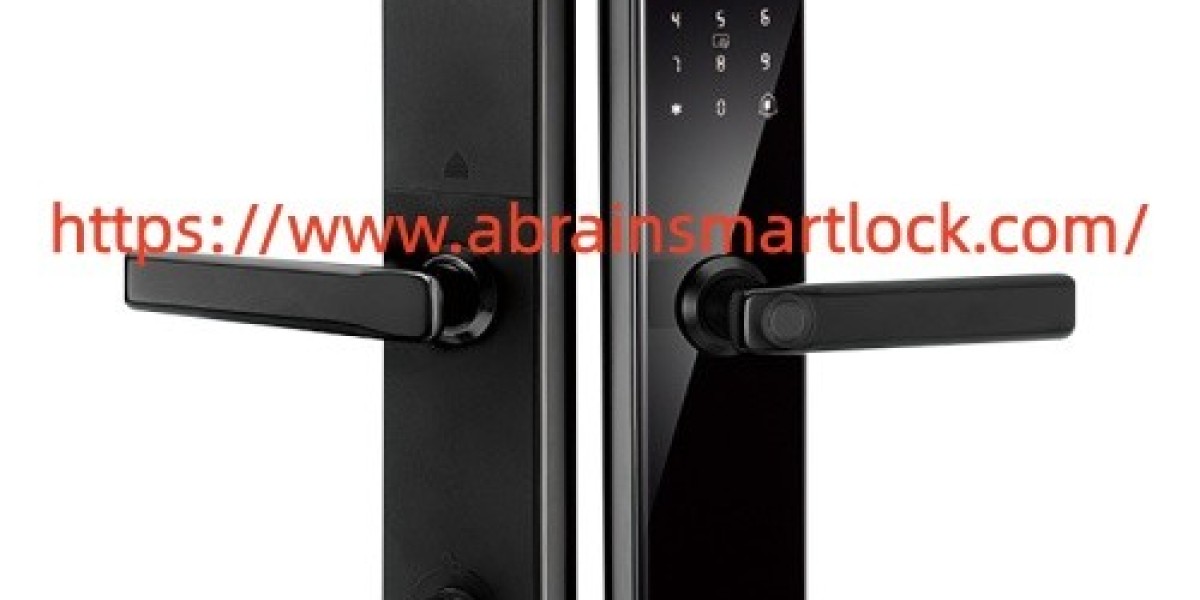

Waterproof Smart Lock technology has become a practical consideration for homeowners who want convenient door access throughout changing seasons. Rainfall, damp air, temperature fluctuations, and daily exposure can all influence the condition of electronic door hardware. For properties with entrances facing gardens, balconies, courtyards, or uncovered walkways, selecting equipment that suits the surrounding environment is an important part of home security planning.
Rain is not always predictable. A light shower can quickly develop into heavy rainfall, while wind may carry water toward areas that are normally sheltered. When an entrance is exposed to these conditions, the exterior structure of an access device deserves careful attention. Its housing should be designed to reduce the possibility of moisture entering sensitive areas. Sealed joints, protected connection points, and suitable exterior materials all contribute to environmental protection.
Humidity creates a different challenge. In coastal regions and areas with frequent rainfall, damp air can remain around the entrance even when the weather is clear. Over time, moisture may affect metal surfaces, electrical connections, and other components. Condensation can also develop when temperatures change between daytime and nighttime. Buyers should therefore consider the surrounding climate rather than evaluating a product only by its appearance or available functions.
Material selection plays an important role in outdoor applications. Stainless steel is commonly considered for door hardware because of its structural strength and resistance to corrosion under suitable conditions. Surface treatments and manufacturing processes also influence how an exterior product responds to regular moisture exposure. Buyers should review the actual material specifications and maintenance recommendations before making a purchasing decision. Different environments may require different material considerations.
The way a device is installed can influence its performance during rainy weather. Even a carefully manufactured product may encounter difficulties if it is fitted incorrectly. Poor alignment, loose connections, or unsuitable mounting positions can create unnecessary pressure on internal components. Installation should follow the manufacturer's instructions, with particular attention given to the door structure, fixing points, and surrounding gaps. A suitable entrance design can also help direct rainwater away from sensitive areas.
The position of the entrance deserves consideration as well. A door beneath a roof extension experiences different conditions from one facing an open garden or driveway. Wind direction, nearby walls, drainage arrangements, and the presence of an overhead canopy can all affect water exposure. Before choosing a product, homeowners can observe where rainwater usually travels and identify areas where moisture tends to collect. This simple assessment helps establish realistic requirements.
Daily operation is another factor worth considering. Family members may approach the entrance with wet hands after gardening, carrying shopping bags, or returning home during a storm. An access system should offer an operating method that suits these everyday situations. Depending on the model, available functions may include fingerprint recognition, password entry, or electronic control. Buyers should compare the actual functions provided by each model and consider which methods are appropriate for their household.
Maintenance should not be overlooked after installation. Regularly wiping away water droplets and accumulated dirt helps keep exterior surfaces clean. A soft cloth is generally suitable for routine cleaning, while harsh chemicals and abrasive materials should be avoided unless the manufacturer specifically permits their use. It is also sensible to inspect visible seals, mounting points, and battery compartments according to the product instructions. If unusual operating behavior appears after heavy rainfall, users should consult the manufacturer's maintenance guidance instead of opening sealed components themselves.
Battery management is equally important for electronic door equipment. Cold weather, frequent operation, and battery age may influence power availability. Checking battery status at suitable intervals helps homeowners prepare for replacement before power becomes insufficient. Keeping the recommended emergency access method available is another sensible precaution, particularly for entrances used every day.
For property developers, distributors, and homeowners, product selection should involve more than a single weather-related specification. Protection ratings, construction materials, installation requirements, access methods, power arrangements, and after-sales support all deserve attention. A clear understanding of these details makes it easier to compare products according to the conditions in which they will be used.
Abrain focuses on practical electronic door access products for residential and commercial applications, with product options designed around different entrance requirements. Its range gives buyers an opportunity to review construction details, available functions, and application possibilities when planning an access upgrade. Rather than relying on appearance alone, customers can compare specifications with their local weather conditions, door structures, and daily usage habits. To review the available models and product details, visit https://www.abrainsmartlock.com/product/ and consider which solution matches the requirements of your project.