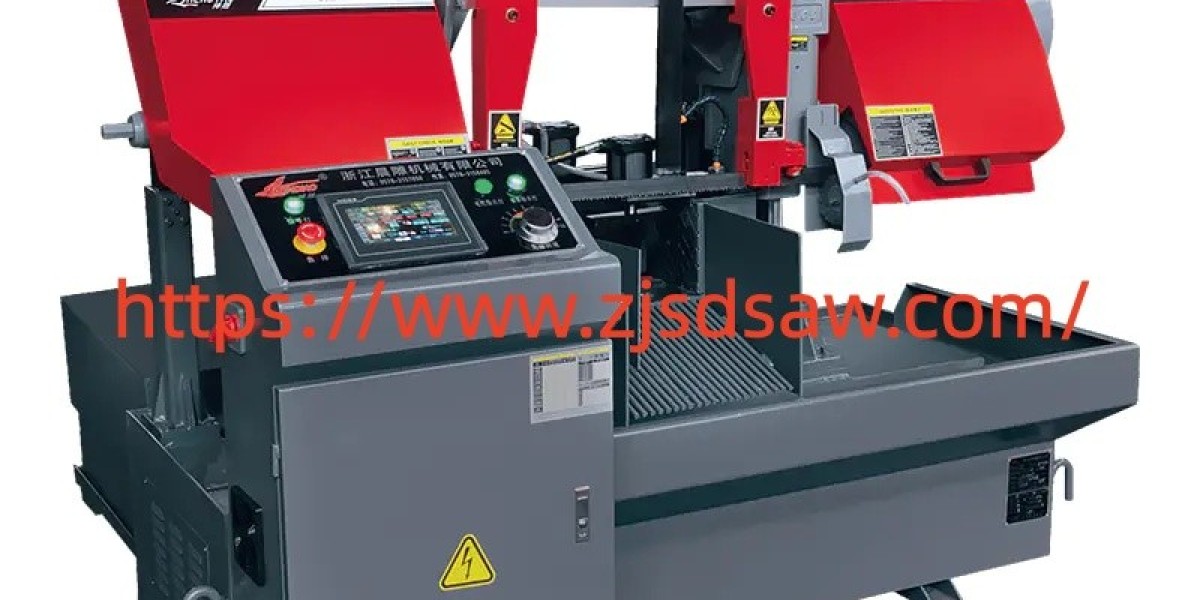

Metal Cutting Band Saw Machine selection begins with a clear understanding of your production requirements. Before placing an order, buyers should consider the materials they process, the dimensions of their workpieces, daily output targets, and the operating conditions in their workshops. A suitable choice should match current production needs while allowing reasonable flexibility for future orders. Taking time to compare these factors helps businesses make informed purchasing decisions and plan their equipment investments with greater confidence.
Every workshop handles different materials and production tasks. Some businesses process solid steel bars, while others work with pipes, rectangular profiles, or structural sections. These differences affect the required working capacity, blade configuration, and feeding arrangements. Before contacting a supplier, prepare a list of the materials you use regularly. Include their dimensions, shapes, thicknesses, and approximate quantities. This information gives the manufacturer a clearer picture of your application and helps narrow down suitable equipment configurations.
Working capacity deserves careful attention during the selection process. Buyers should check the maximum dimensions of their regular workpieces rather than relying entirely on a single capacity figure in a product catalogue. If your business frequently handles several sizes, compare the available specifications against both common jobs and occasional larger projects. For angled operations, confirm the permitted dimensions at the required angles. These checks help reduce the risk of choosing equipment that cannot accommodate an important part of your daily workload.
The required production volume also influences equipment selection. A small workshop handling occasional orders may prefer straightforward controls and a simple operating process. A factory processing large quantities of similar components may benefit from automatic feeding, programmable settings, or other available automation options. Neither arrangement suits every business. The practical choice depends on how frequently the equipment operates, how much manual handling is involved, and how production tasks are organized throughout the working day.
Blade configuration is another factor worth discussing with the supplier. Different materials and workpiece shapes require appropriate tooth spacing, blade dimensions, and operating speeds. Thin wall tubing, solid bars, and irregular profiles do not necessarily respond well to identical settings. An unsuitable combination can affect the finished surface, increase wear, or create unnecessary interruptions. Buyers should therefore provide accurate material information and ask which blade specifications are appropriate for their intended applications.
Operating stability and workpiece clamping deserve equal consideration. A secure vise helps hold material in position during processing, while suitable guides support consistent blade movement. Buyers should review the construction, clamping arrangement, and adjustment methods before making a decision. If dimensional consistency is important for downstream welding or assembly, explain the required tolerances to the supplier. Ask whether a demonstration using representative workpieces can be arranged, and confirm how the finished parts will be inspected against the agreed requirements.
Daily maintenance can also influence the overall ownership experience. Check how easily operators can access routine inspection points, replace consumable parts, clean away chips, and maintain the lubrication or coolant system when fitted. Ask about recommended service intervals, spare part availability, warranty conditions, and technical assistance. These details are worth reviewing before purchase because maintenance arrangements affect how equipment fits into an established production schedule.
Workshop conditions should not be overlooked. Measure the available floor space and consider how raw materials will enter the work area and finished components will leave it. Confirm the electrical supply, installation requirements, material support arrangements, and access needed for routine servicing. Delivery and unloading should also be discussed before the order is finalized. A configuration that fits the production process must also fit the physical environment where it will operate.
Price is important, but the initial quotation should not be the only basis for comparison. Review the included accessories, control options, installation arrangements, training, warranty coverage, and expected maintenance expenses. Two quotations may describe equipment with different configurations, so check the specifications line by line. If customization is available, ask the supplier to identify which options address your actual production needs and which may be unnecessary for your current workload.
Clear communication with the manufacturer can make the purchasing process more efficient. Prepare a short technical brief containing material grades, workpiece dimensions, expected daily quantities, required tolerances, and preferred operating methods. Include drawings or photographs when they help explain the application. With these details, the supplier can assess your requirements more accurately and discuss suitable configurations without relying on assumptions.
For manufacturers seeking equipment for different industrial applications, Chendiao provides a starting point for reviewing available product options and matching technical requirements with workshop needs. Before making a final decision, compare the relevant specifications and discuss your intended applications with the supplier. You can review the product range and explore available equipment configurations at https://www.zjsdsaw.com/product/ to support your evaluation and prepare for your next purchasing decision.