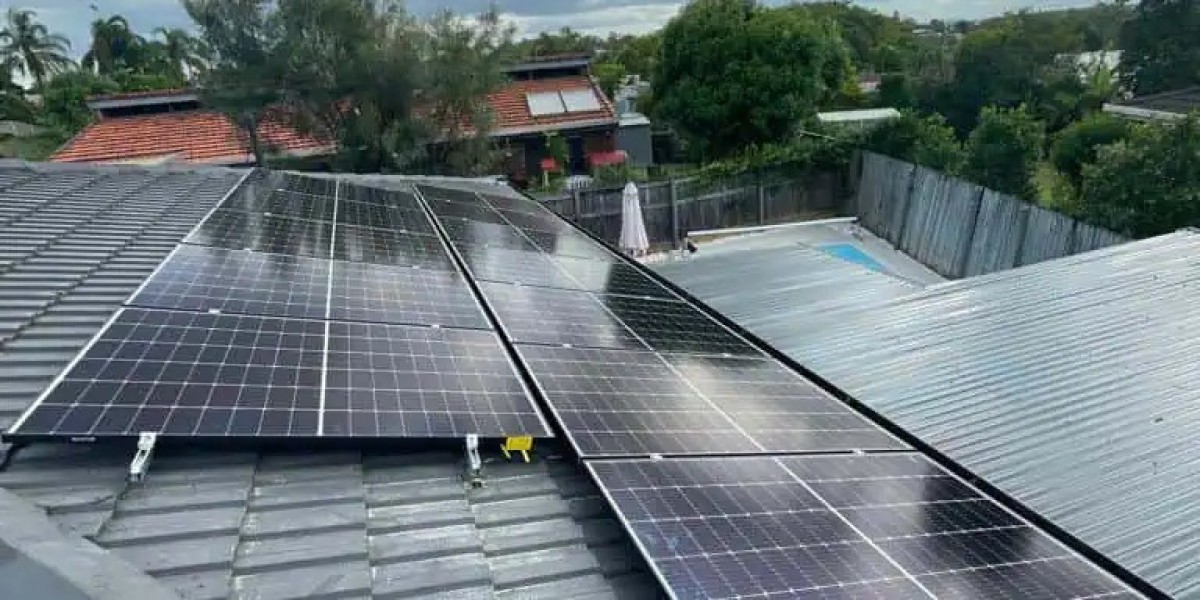

Electricity is a significant operating expense for many Australian companies. Offices, warehouses, manufacturing facilities, retail stores, farms, workshops, and other commercial properties can consume substantial amounts of electricity every day. As energy costs continue to influence business budgets, more companies are considering commercial solar installation as a way to reduce electricity expenses and gain greater control over long-term energy costs.
Solar panels allow businesses to generate electricity on-site rather than purchasing all of their power from the grid. The potential savings depend on the size of the solar system, electricity consumption, tariff structure, operating hours, and how much solar energy the business can use directly.
How Commercial Solar Reduces Electricity Bills
A commercial solar system generates electricity during daylight hours. When a business consumes this electricity on-site, it reduces the amount of power it needs to purchase from the grid.
For example, a warehouse may operate refrigeration, lighting, computers, machinery, or air-conditioning systems during the day. Solar generation can supply part of this electricity demand, reducing grid consumption.
The more solar electricity a business can use directly, the greater its potential reduction in purchased electricity.
This is commonly referred to as solar self-consumption and is an important factor when estimating commercial solar savings.
Understanding the Different Parts of a Commercial Electricity Bill
Commercial electricity bills can contain several components, and solar may affect some charges more than others.
Common components can include:
- Energy consumption charges
- Demand charges
- Network charges
- Fixed supply charges
- Time-of-use charges
- Other retailer or market-related costs
Solar primarily reduces electricity purchased from the grid. Depending on the tariff and system configuration, it may also help reduce relevant demand costs when solar production coincides with periods of high electricity demand.
However, solar does not automatically eliminate fixed charges or every component of a commercial electricity bill.
Why Daytime Consumption Matters
The timing of electricity consumption is particularly important when calculating potential savings.
Solar panels generally generate the most electricity during the middle of the day. Businesses that operate primarily during daylight hours may therefore be able to consume a large portion of their solar generation directly.
Consider two businesses with identical solar systems.
A manufacturing facility operating from 8 am to 5 pm may use much of its solar electricity as it is generated. A business operating primarily overnight may export more of its solar generation and purchase electricity from the grid when the panels are not producing.
Therefore, electricity consumption patterns can be just as important as the size of the solar installation.
What About Excess Solar Electricity?
A commercial solar system may occasionally generate more electricity than the business needs at that moment.
Depending on the connection arrangement and applicable electricity agreement, excess electricity may be exported to the grid.
The business may receive a payment or credit for eligible exported electricity, but the value of exported solar can differ from the price paid for electricity purchased from the grid.
For this reason, commercial solar systems should generally be designed around the property's energy consumption rather than simply maximising panel capacity.
Commercial Solar and Demand Charges
Some Australian businesses are subject to demand-based electricity charges. These charges can be influenced by periods when the business draws significant power from the grid.
Solar may help reduce grid demand when strong solar generation coincides with the property's demand peak.
For example, if several high-powered machines operate during the afternoon while solar production is high, the solar system may supply part of that load and reduce grid demand.
However, if the business reaches its highest demand after sunset, solar panels alone may have limited ability to reduce that particular peak. Battery storage or other energy-management strategies may be worth evaluating in such circumstances.
Factors That Determine Commercial Solar Savings
Every business has a different solar opportunity. Important factors include:
System Size
A larger system can generate more electricity, but the ideal capacity depends on energy consumption, available roof space, budget, and grid connection conditions.
Electricity Usage
Businesses with higher electricity consumption may have greater opportunities to reduce grid purchases.
Operating Hours
Daytime operations generally align well with solar generation.
Electricity Tariff
The structure of the business's electricity contract can have a major influence on financial outcomes.
Roof Conditions
Orientation, tilt, shading, roof condition, and available installation space can affect solar generation.
Energy Management
Businesses can potentially increase savings by scheduling suitable energy-intensive activities during periods of strong solar production.
Can Batteries Increase Savings?
Battery storage can complement commercial solar by storing excess electricity for later use.
For businesses with significant evening or early-morning electricity consumption, batteries may increase the amount of solar energy used on-site. They may also provide opportunities for managing certain demand peaks.
However, batteries involve additional investment and should be assessed based on the company's consumption profile, electricity tariff, operating schedule, and expected financial return.
How to Estimate Your Potential Savings
Businesses should avoid relying on generic savings figures because commercial electricity costs vary significantly between companies.
A more useful assessment should examine historical electricity bills and, where available, interval consumption data.
A simplified calculation can consider:
Annual Solar Savings = Reduced Grid Purchases + Eligible Export Revenue + Potential Demand Savings
The resulting figure can then be compared with the system's installation cost, financing expenses, maintenance requirements, and expected operating life.
Long-Term Benefits for Australian Companies
Beyond immediate electricity bill savings, commercial solar can provide businesses with greater visibility over their future energy expenses.
Generating electricity on-site can reduce exposure to changes in grid electricity prices and support broader sustainability objectives. Companies may also be able to demonstrate progress toward renewable-energy and emissions-reduction goals.
Conclusion
Commercial solar installation can significantly reduce electricity costs for Australian companies when the system is properly designed around the property's energy consumption.
The greatest savings often come from using solar electricity directly during business operating hours. Demand charges, electricity tariffs, excess generation, battery storage, and future energy requirements should also be considered when evaluating the investment.
Rather than focusing only on the number of solar panels, businesses should analyse their electricity bills, consumption patterns, and tariff structure before selecting a system. A tailored commercial solar assessment can provide a more realistic estimate of potential savings and help businesses make a confident long-term energy investment.
Complete ROI Calculation Guide for Commercial Solar Installation Projects
From High Power Bills to Profit: Commercial Solar Installation Savings in Australia




