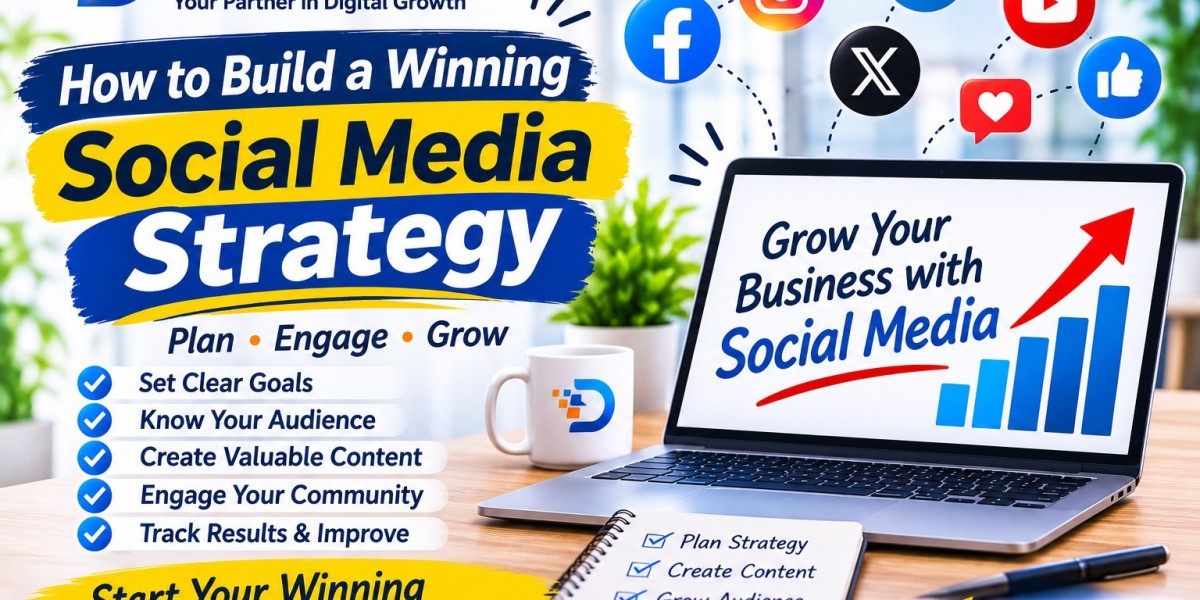

Social media can help businesses connect with customers, build brand awareness, and create new growth opportunities. However, posting regularly without a clear plan can make it difficult to achieve meaningful results.
A successful social media strategy gives your business direction. It helps you understand your audience, choose the right platforms, create valuable content, and measure what is working.
1. Set Clear Goals
Start by deciding what you want to achieve through social media. Your goals may include:
Increasing brand awareness
Driving traffic to your website
Generating quality leads
Improving customer engagement
Supporting sales and business growth
Make your goals specific and measurable. Instead of simply saying, “We want more followers,” focus on a meaningful outcome, such as increasing website visits or generating more enquiries. Clear goals help you create content with a purpose and measure your progress effectively.
2. Understand Your Target Audience
A winning strategy starts with knowing who you want to reach. Consider your audience's interests, challenges, questions, and the platforms they use most often.
Your existing social media insights can help you understand which content performs well and what your audience finds valuable. The better you understand your customers, the easier it becomes to create relevant content that encourages genuine engagement.
3. Choose the Right Social Media Platforms
Your business does not need to be active on every social media platform. Instead, focus your time and resources on the channels where your target audience is most likely to be active.
For example, one platform may be better for professional networking, while another may work well for visual content or community engagement. Choosing the right platforms allows you to create better content instead of spreading your efforts too thin.
4. Create Valuable and Consistent Content
Your content should provide a reason for people to follow and engage with your business. A useful mix may include:
Educational tips and guides
Industry insights
Customer stories
Behind-the-scenes content
Interactive polls and questions
Create a few clear content themes that relate to your business and audience. A content calendar can also help you plan ahead and maintain consistency without posting randomly.
5. Focus on Genuine Engagement
Social media works best as a two-way conversation. Respond to relevant comments and messages, answer questions, and encourage your audience to share their opinions.
Engagement helps you build stronger relationships and gives you valuable insight into what your customers need. Instead of focusing only on publishing more posts, make time to interact with the people who engage with your brand.
6. Use Clear Calls to Action
Every post does not need to sell something, but your audience should know what they can do next when appropriate.
Depending on your goal, your call to action might encourage people to:
Visit your website
Read a helpful article
Request more information
Contact your business
Explore a product or service
Keep your calls to action clear and relevant to the content you share.
7. Track Your Results and Improve
A social media strategy should continue to evolve. Review your performance regularly to understand which content, platforms, and campaigns are producing meaningful results.
Look beyond likes and follower numbers. Depending on your business goals, useful metrics may include engagement, website traffic, leads, conversions, and customer response times. Use this information to improve your future content and focus on activities that support real business outcomes.
Final Thoughts
A winning social media strategy is built on clear goals, audience understanding, valuable content, and continuous improvement. You do not need to be everywhere or post constantly to achieve results. A focused approach is often more effective.
Start by understanding your audience, selecting the right platforms, and creating content that provides genuine value. Then measure your results and improve your strategy over time.