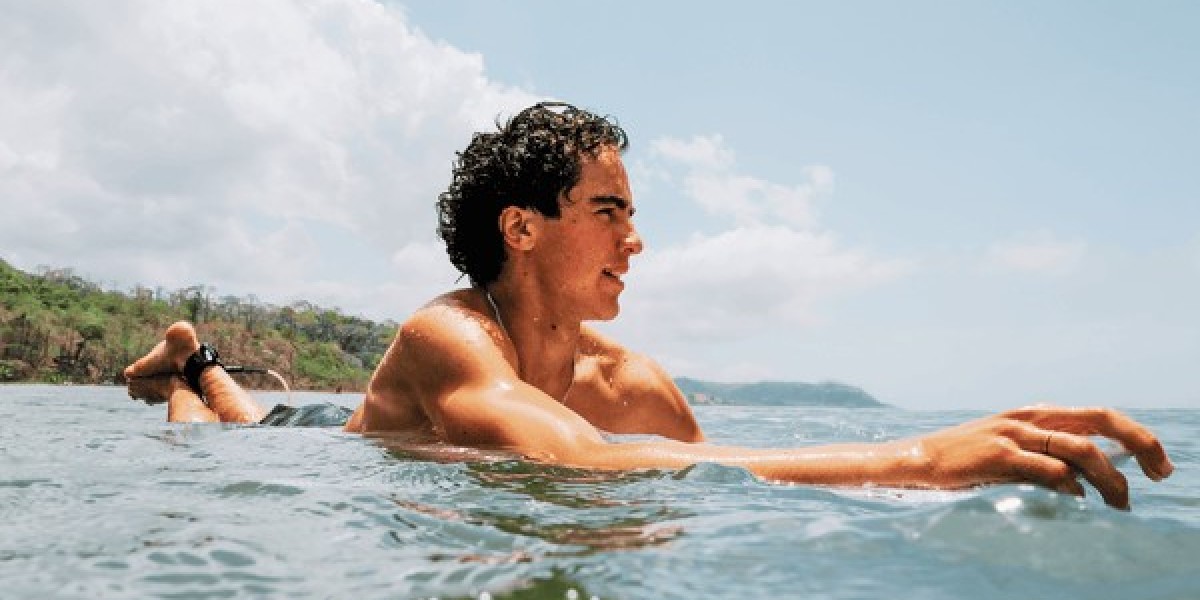

Flexibility in swim shorts is easiest to judge by trying positions that have nothing to do with swimming.
A deep squat to pick up a board, a lunge to launch a kayak, a long reach to retrieve a ball, a step up onto a boat deck. Water sports and beach activities fill a day with movements that put the waistband, the seat, and the upper legs through a range far wider than walking. Swim shorts that feel fine standing in the shallows can feel tight or ride up the moment the body folds.
Psycho Tuna builds swim shorts for the full range of positions a beach and water day creates.
Where Flexibility Gets Tested
The positions that test swim shorts most are the ones that fold the hip: squatting, lunging, climbing, and sitting low. In each, the fabric across the seat and upper thigh stretches in two directions at once, forward and outward, while the waistband sits against the lower back.
Fabric that stretches in four directions handles those combined movements without pulling at the waistband or creeping up the leg. Psycho Tuna uses 4-way stretch fabric so that the seat and thigh panels follow the body through the full range rather than resisting at the point of deepest bend.
Fit That Stays Where It Is Put
Flexibility is only useful if the shorts stay in place while the body moves. A waistband that rolls, a leg opening that rides up, or a hem that catches during a lunge interrupts activities that need attention elsewhere.
A waistband with some elastic recovery and a flat internal profile stays put without digging in. A leg length that clears the knee during a squat prevents the hem from catching, while a leg opening cut to follow the thigh prevents riding up when sitting. Psycho Tuna considers waistband, hem, and leg opening together as one system.
From Water to Sand Without Changing
Beach days move between water and sand, and a flexible swim short carries over both. Soaked fabric weighs more and stretches differently from dry fabric, and shorts that perform in the water can feel stiff on sand if they dry slowly.
Quick-dry fabric returns the shorts to their dry stretch quickly, so flexibility on the sand matches flexibility in the water. This keeps one pair of shorts useful across volleyball, walking, launching a board, and sitting on a rock to rest. Psycho Tuna selects fabric that holds its stretch across the wet and dry phases of a beach day.
Frequently Asked Questions
Which positions test swim short flexibility most?
Squatting, lunging, climbing, and sitting low, which fold the hip and stretch the seat and thigh in two directions.
Why does 4-way stretch help in deep movements?
It follows combined forward and outward stretch without pulling at the waistband or creeping up the leg.
What keeps swim shorts in place during activity?
A waistband with elastic recovery, a flat profile, and a leg opening cut to follow the thigh.
Why does drying speed affect flexibility on sand?
Slow-drying fabric stays heavy and stiff, so shorts feel tighter out of the water than in it.




