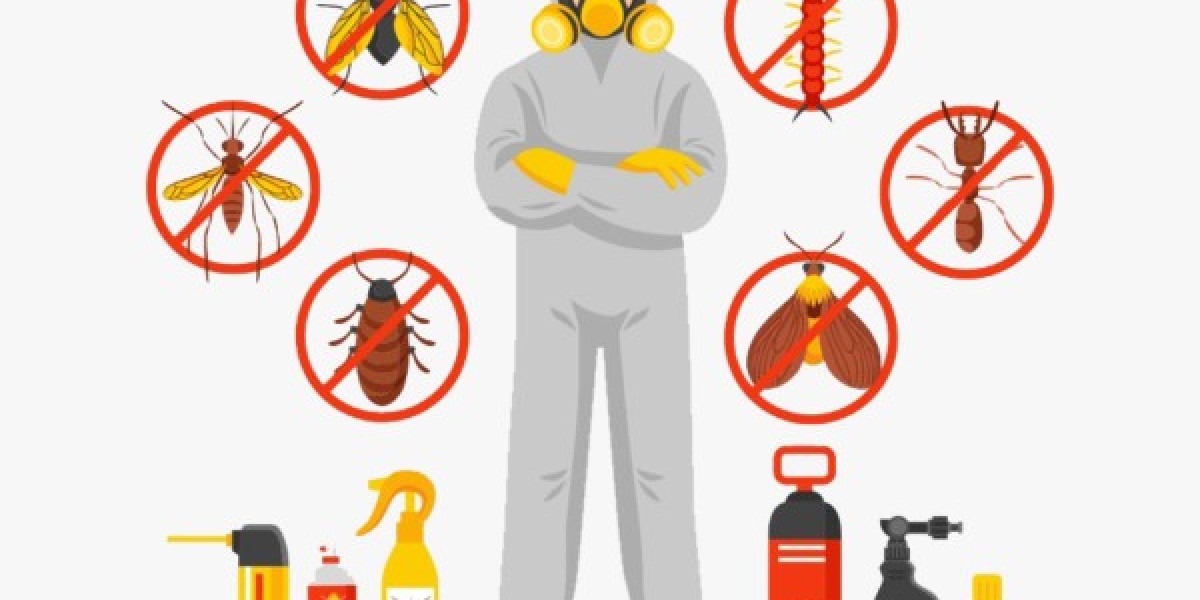

Deemak Control in Lahore
Deemak can become a serious problem for homes and buildings because these small insects can remain hidden while slowly damaging wooden materials and other parts of a property. Finding effective deemak control in Lahore is important for homeowners who want to protect doors, furniture, cabinets, flooring, walls, and other wooden structures from long-term damage. A termite infestation may not always be visible at the beginning, which makes early inspection and treatment especially important.
Lahore has a combination of residential areas, commercial buildings, older properties, newly constructed houses, and properties surrounded by gardens or open spaces. These different environments can create suitable conditions for termite activity. Understanding how deemak develops and how professional treatment works can help property owners take action before the problem becomes more difficult.
Understanding the Deemak Problem in Lahore
Deemak, commonly known as termites, lives in colonies and can spread through hidden areas of a building. Unlike many insects that are easy to notice, termites can remain inside wood, soil, walls, or other protected spaces.
A small sign of termite activity should not be ignored. Damaged wood, hollow sounds, small openings, mud-like tubes, discarded wings, or weakened wooden surfaces can indicate that termites may be active nearby.
Professional inspection can help determine whether the visible signs are connected to a larger infestation. Finding the source early can make treatment more manageable and help protect unaffected areas.
Why Termites Can Be Difficult to Notice
One of the biggest challenges with termite infestations is their hidden behavior. Termites often work inside wooden materials or underground, meaning property owners may not see them directly.
A wooden door can look normal from the outside while termites are damaging its internal structure. Similarly, furniture or flooring may gradually become weaker without showing obvious signs during the early stages.
This is why professional inspection is valuable. Specialists can look for signs that may not be obvious to the average homeowner and identify areas that require closer attention.
Common Signs of Deemak Activity
Homeowners should pay attention to changes in wooden structures. If a wooden surface becomes unusually weak, hollow, cracked, or damaged, it may require inspection.
Mud tubes around walls, foundations, or other parts of a building can also be a warning sign. In some cases, homeowners may notice small wings near windows, doors, or light sources after termite swarming.
Another possible indication is the sudden deterioration of wooden furniture or fixtures. These signs do not always confirm an infestation by themselves, but they can indicate that professional assessment is needed.
How Deemak Can Damage Wooden Structures
Termites feed on materials containing cellulose, which is commonly found in wood and other plant-based materials. As colonies grow, their activity can affect furniture, doors, frames, cabinets, wooden flooring, and other structures.
Damage may develop gradually, making it easy for homeowners to underestimate the problem. Over time, weakened wood can affect the usefulness and appearance of furniture and building components.
Early deemak control in Lahore can help reduce the opportunity for an infestation to spread to additional areas of a property.
Protecting Furniture From Termite Damage
Furniture can be particularly vulnerable because many homes contain wooden beds, cabinets, tables, shelves, doors, and other items. Termites can move into furniture through small openings or by reaching it from nearby infested areas.
Regularly checking wooden furniture can help homeowners notice changes at an earlier stage. Areas that remain dark, damp, or undisturbed may deserve additional attention.
If termite activity is suspected, simply replacing one damaged item may not solve the problem. The surrounding area should also be inspected to determine whether the infestation exists elsewhere.
Deemak Treatment for New and Existing Buildings
Both older and newly constructed buildings can experience termite problems. Older properties may have existing hidden infestations, while new buildings can become vulnerable when construction conditions provide access to soil or untreated wooden materials.
For new construction, preventive termite protection can be considered as part of the building process. Taking precautions before problems appear can be easier than dealing with extensive damage later.
Existing properties require a different approach because the inspection must identify active areas and possible routes through which termites are entering or spreading.
The Importance of Professional Termite Inspection
A professional inspection is an important starting point for termite control. Instead of treating every area without understanding the problem, an inspection can help identify where termites are active.
The structure of the building, type of construction, condition of wood, moisture levels, and possible entry points can all influence the treatment approach.
Once the problem is understood, a suitable control strategy can be developed. This targeted approach can help avoid unnecessary treatment and focus attention on areas that require it.
Soil Treatment and Termite Prevention
Subterranean termites may move through soil before reaching a building. For this reason, soil can be an important part of termite prevention and control.
Professional termite management may involve addressing areas where termites can travel between the ground and the structure. The exact treatment method depends on the building and the nature of the infestation.
Proper attention to the surrounding soil can help reduce potential routes for termite movement and provide additional protection for the property.
Protecting Wooden Doors and Frames
Doors and frames are common areas where termite damage may become visible. These wooden components can remain in contact with walls or nearby areas where termites may travel.
Homeowners should regularly inspect frames for unusual cracks, soft sections, hollow sounds, or other changes. Early signs can provide an opportunity to investigate before the damage becomes extensive.
Professional treatment can focus on affected areas while also considering nearby sections that may be at risk.
Deemak Control for Kitchens and Cabinets
Kitchen cabinets can also become vulnerable to termite activity because they contain wooden materials and often remain fixed against walls. Moisture around sinks and plumbing areas can make certain sections more attractive to pests.
Keeping kitchen areas dry and addressing plumbing leaks can help reduce favorable conditions. However, if termite activity is already present, cleaning alone will not remove the infestation.
A professional assessment can determine whether cabinets, walls, or surrounding structures have been affected.
Moisture and Termite Activity
Moisture can contribute to conditions that attract or support various pests, including termites. Water leaks, poor drainage, damp walls, and areas where moisture remains for long periods should therefore receive attention.
Fixing leaks and improving drainage can support termite prevention. However, moisture control should be combined with proper inspection when signs of termites are already present.
Maintaining a dry and well-ventilated environment can make the property less favorable for pest activity.
Deemak Control for Commercial Properties
Termites are not limited to residential buildings. Offices, shops, warehouses, educational buildings, and other commercial properties can also experience termite problems.
Commercial properties may contain wooden furniture, storage units, doors, partitions, and other materials that can become vulnerable. Because businesses depend on a clean and functional environment, termite damage can create unnecessary disruption.
Regular inspection and preventive maintenance can help commercial property owners identify potential problems before they become extensive.
Why Quick Action Can Make a Difference
Ignoring termite activity can allow a colony to continue spreading. Because termites often remain hidden, waiting for obvious damage can mean that the infestation has already developed.
Taking action after noticing early warning signs can improve the chances of controlling the problem before more areas are affected.
Homeowners do not need to wait until furniture collapses or wooden structures become severely damaged. Professional inspection can provide a clearer understanding of the situation at an earlier stage.
Choosing the Right Deemak Control Approach
Every termite infestation is different. The size of the property, construction type, affected materials, moisture conditions, and location of termite activity can influence the appropriate treatment method.
This is why property owners should avoid assuming that one solution will work for every building. A professional service can inspect the property and recommend an approach based on its actual condition.
The goal should be to control the existing infestation while also reducing the conditions that may encourage termites to return.
Maintaining Your Property After Treatment
Termite control does not end when treatment is completed. Property owners should continue monitoring areas that were previously affected and pay attention to new warning signs.
Regular inspection of wooden furniture, doors, frames, cabinets, and other vulnerable areas can help identify changes early. Water leaks and damp areas should also be repaired as soon as possible.
Good property maintenance can support professional termite treatment and help reduce the possibility of future problems.
Why Professional Deemak Control in Lahore Is a Smart Choice
Termites can hide in places that are difficult for homeowners to reach or inspect. Professional pest control specialists have the experience to identify common signs and determine where treatment may be necessary.
Professional deemak control in Lahore can provide a more organized approach than relying only on household products or temporary solutions. Proper inspection, targeted treatment, and preventive guidance can work together to protect the property.
For homeowners, taking professional help early can also reduce the risk of extensive damage and make termite management easier.
Protect Your Property From Future Termite Problems
Preventing termite problems requires attention to both the building and its surroundings. Homeowners should maintain wooden structures, control moisture, repair cracks, monitor vulnerable areas, and take warning signs seriously.
Properties should also be inspected when unusual damage appears, especially if the building has a history of termite activity.
A preventive mindset can help homeowners protect their investment and avoid allowing small signs to develop into a major infestation.
Conclusion: Take Action Against Deemak Before Damage Spreads
Deemak can remain hidden for long periods while gradually damaging wooden materials and other parts of a property. From furniture and cabinets to doors, frames, flooring, and structural wood, termite activity can affect many areas when left untreated.
Effective deemak control in Lahore begins with recognizing warning signs and arranging a proper inspection. Professional treatment can help identify active areas, address the infestation, and support long-term protection.
Whether you own a home, office, shop, warehouse, or another property, protecting it from termites requires regular attention and timely action. By controlling moisture, maintaining wooden structures, monitoring vulnerable areas, and seeking professional assistance when signs appear, property owners can take important steps toward keeping their buildings stronger, cleaner, and better protected.