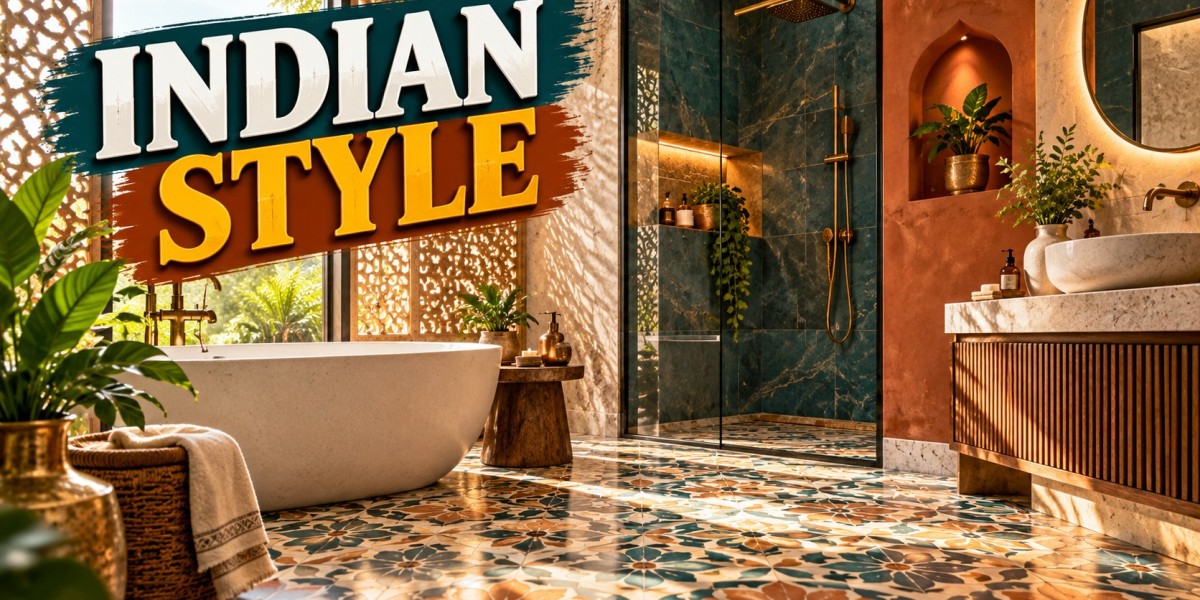

The best bathroom tiles for Indian homes are porcelain tiles, glazed ceramic tiles, and suitable anti-slip floor tiles that can handle regular moisture, temperature changes, and everyday use. Porcelain is a practical choice for bathroom floors because it generally has low water absorption, while glazed ceramic tiles are popular for walls due to their variety of colours and easy-to-clean surfaces. The right selection depends on your bathroom size, budget, ventilation, and maintenance requirements.
When comparing the best tiles for bathroom, consider more than appearance. Indian bathrooms often experience frequent water exposure, soap deposits, hard-water marks, and regular cleaning. Choosing suitable materials for different areas can help maintain the bathroom's appearance and reduce unnecessary repair work.
Which Types of Bathroom Tiles Are Suitable for Indian Homes?
Different tile materials offer different benefits. Your choice should depend on the installation area, expected usage, and overall bathroom design.
Porcelain tiles: Generally have low water absorption and are available in numerous finishes. Suitable products can be used on bathroom floors and walls.
Glazed ceramic tiles: Offer a wide range of colours, patterns, and sizes. Their smooth surfaces are generally easy to clean, making them popular for bathroom walls.
Textured floor tiles: Can provide additional grip when specifically designed and rated for wet-floor applications.
Mosaic tiles: Consist of smaller pieces and can be useful for decorative sections and shower floors where the layout needs to accommodate slopes.
Natural stone tiles: Provide distinctive patterns and a premium appearance, but some varieties require sealing and specialised maintenance.
For most households, porcelain and glazed ceramic are practical starting points. However, always check the manufacturer's specifications before selecting a tile for a particular surface.
Are Porcelain Tiles Better for Indian Bathroom Floors?
Porcelain tiles are a popular option for Indian bathrooms because they generally absorb less water than standard ceramic tiles. Their density makes them suitable for many areas exposed to frequent moisture.
They are available in different finishes, including matte, textured, polished, and stone-effect designs. This makes it possible to coordinate the bathroom floor with wall tiles and other interior elements.
However, not every porcelain tile is suitable for wet flooring. Highly polished surfaces may become slippery when exposed to water. For bathroom floors, choose a product specifically rated for floor installation and appropriate for wet conditions.
Before purchasing porcelain tiles, check:
Water absorption specifications.
Slip-resistance information.
Suitability for bathroom floor installation.
Recommended cleaning methods.
Installation requirements.
Porcelain is a strong option for bathroom floors, but its suitability depends on the finish and product specifications.
Which Bathroom Wall Tiles Are Best for Indian Homes?
Bathroom walls require tiles that can handle moisture and are easy to clean. Glazed ceramic and porcelain tiles are commonly used because they are available in various designs and finishes.
Glazed ceramic tiles are often a practical choice for walls around washbasins and shower areas. Their protective surface helps make everyday cleaning easier.
Porcelain wall tiles are another option, particularly when homeowners want the same design across multiple surfaces. Marble-look, stone-effect, and concrete-look porcelain tiles can create a coordinated appearance.
Consider these popular design choices:
White ceramic tiles: Create a clean and bright bathroom appearance.
Beige wall tiles: Add warmth and complement wooden cabinets.
Marble-look porcelain: Provides an elegant appearance without requiring the same maintenance as some natural stones.
Subtle patterned tiles: Add visual interest to selected walls.
Large-format tiles: Reduce visible grout lines and create a more continuous look.
For a balanced design, use decorative tiles on one feature wall and simpler tiles on the remaining surfaces.
Which Bathroom Tile Colours Work Best in Indian Homes?
Tile colour affects the overall appearance of a bathroom. The right shade can make a compact space feel brighter, create visual warmth, or establish a contemporary design.
| Tile colour | Appearance | Suitable bathroom style |
|---|---|---|
| White | Bright and clean | Minimalist and modern |
| Beige | Warm and natural | Classic and contemporary |
| Light grey | Subtle and sophisticated | Modern interiors |
| Cream | Soft and welcoming | Traditional and modern |
| Charcoal | Bold and dramatic | Contemporary feature designs |
| Light brown | Earthy and natural | Stone-inspired interiors |
Light colours are particularly useful in bathrooms with limited natural light. White, cream, and pale grey can help create a more open appearance.
Darker colours can also look attractive, but using them across every surface may make a small or poorly lit bathroom feel enclosed. Consider using dark shades as accents alongside lighter walls or flooring.
What Bathroom Tiles Are Best for Small Indian Bathrooms?
Many Indian homes have compact bathrooms, so tile selection should consider available floor area and lighting.
Light-coloured tiles can help create a brighter appearance. Large-format tiles may reduce the number of visible grout lines, creating a more continuous surface.
Consider these practical choices:
Use white, cream, or pale grey tiles to maintain a bright appearance.
Select simple patterns instead of multiple contrasting designs.
Coordinate wall and floor colours to create visual continuity.
Use vertical rectangular wall tiles to draw attention upwards.
Consider glossy tiles for selected walls to reflect available light.
However, large-format tiles are not always suitable for every small bathroom. Shower floors may require smaller tiles to accommodate drainage slopes. The installer should plan the layout around the drain, corners, and bathroom fittings.
How Important Is Slip Resistance When Choosing Bathroom Tiles?
Slip resistance is one of the most important considerations when selecting bathroom floor tiles. Water, soap, and shampoo can make surfaces slippery, especially around showers and washbasins.
Textured tiles and some matte-finish tiles may provide suitable traction when specifically designed for wet-floor applications. However, a rough or matte appearance does not automatically guarantee slip resistance.
Before purchasing, ask the supplier for technical information about the product's slip-resistance performance. Confirm that the test results are relevant to the intended use, particularly if the tiles will be installed in a shower where people walk barefoot.
Keep these points in mind:
Choose floor-rated tiles rather than wall tiles.
Check slip-resistance specifications.
Avoid selecting polished surfaces without verifying their suitability for wet floors.
Consider cleaning requirements alongside surface grip.
Ensure the bathroom floor has proper drainage.
A safe bathroom design should balance appearance with practical underfoot performance.
How Can You Maintain Bathroom Tiles in Indian Conditions?
Regular maintenance helps preserve the appearance of bathroom tiles. Hard-water deposits, soap residue, and moisture-related discolouration can affect surfaces and grout over time.
Follow these maintenance practices:
Clean soap and shampoo residue regularly.
Use cleaning products suitable for the tile material.
Avoid abrasive tools that may damage certain finishes.
Clean grout joints before dirt and deposits become difficult to remove.
Check grout and sealant periodically for damage.
Address leaks and standing water promptly.
Natural stone may require specialised cleaners or periodic sealing. Porcelain and glazed ceramic tiles are generally straightforward to maintain, but the manufacturer's cleaning instructions should always guide your routine.
Proper ventilation also helps reduce persistent moisture and makes the bathroom easier to maintain.
What Should You Check Before Buying Bathroom Tiles?
Before finalising your purchase, compare the technical specifications and installation requirements of the tiles.
Water absorption: Check whether the tile is suitable for areas exposed to frequent moisture.
Slip resistance: Confirm that floor tiles provide appropriate grip under wet conditions.
Tile dimensions: Select sizes that suit the bathroom layout and drainage requirements.
Cleaning requirements: Understand whether the surface needs specialised products or sealing.
Budget: Include tile cost, wastage, adhesive, grout, labour, and surface preparation.
Batch consistency: Purchase enough tiles from the same production batch where possible. This can help reduce visible shade or pattern differences if additional tiles are needed later.
Most importantly, remember that tiles do not replace waterproofing. Proper waterproofing beneath the tiled surface is essential in showers and other wet areas.
Conclusion
Porcelain tiles, glazed ceramic tiles, and appropriately rated textured floor tiles are practical choices for Indian bathrooms. Porcelain is suitable for many floors and wet areas, while glazed ceramic offers an easy-to-maintain option for walls. Light colours, coordinated patterns, and suitable finishes can create an attractive bathroom without compromising everyday usability.
The best selection depends on your bathroom's size, budget, moisture exposure, and maintenance requirements. Proper waterproofing, drainage, and professional installation are equally important for long-term performance. For help planning coordinated bathroom finishes and wider home interiors, explore the Best Home Interior Company in Aizawl, Mizoram.
Frequently Asked Questions
1. Which tiles are best for Indian bathroom floors?
Porcelain tiles are a popular option because they generally have low water absorption. Choose a floor-rated product with suitable slip resistance for wet conditions.
2. Are ceramic tiles suitable for Indian bathrooms?
Yes. Glazed ceramic tiles are commonly used on bathroom walls because they are available in many designs and are generally easy to clean. Check the product specifications for its intended application.
3. Which bathroom tile colours are best for Indian homes?
White, cream, beige, and light grey are versatile choices. They can create a bright appearance and complement different bathroom interior styles.
4. Are matte tiles better for Indian bathroom floors?
Some matte tiles provide suitable traction, but the finish alone does not guarantee slip resistance. Always check the manufacturer's technical specifications.
5. How can I make bathroom tiles last longer?
Choose tiles suitable for their intended application, ensure proper waterproofing and drainage, use compatible installation materials, and clean the tiles and grout regularly.